Canadian authorities have executed the largest digital asset seizure in the country’s history, confiscating over CAD 56 million (approximately US$40 million) from the cryptocurrency exchange TradeOgre. The action marks the first time a digital asset exchange has been effectively dismantled by law enforcement in Canada.
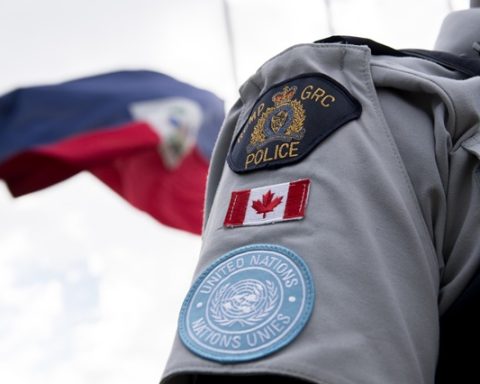
The Royal Canadian Mounted Police (RCMP) said the seizure is the result of a year-long investigation by its Money Laundering Investigative Team (MLIT), which began in June 2024 following a tip from Europol. Authorities allege TradeOgre was used as a vehicle for money laundering by organized crime.
“TradeOgre failed to register with the Financial Transactions and Reports Analysis Centre of Canada (FINTRAC) as a money services business and did not identify its clients,” the RCMP said in a statement. “This type of platform, which does not require users to identify themselves, is commonly used to conceal the source of illicit funds.”
TradeOgre, a centralized exchange founded in 2018 and registered in the United States, allowed users to trade cryptocurrencies anonymously, bypassing Know Your Customer (KYC) requirements. Canadian law mandates that digital asset exchanges operating in the country register with FINTRAC and adhere to anti-money laundering (AML) obligations.
Despite the serious allegations, no arrests have been made. The alleged US-based owner of TradeOgre recently passed away, and Canadian authorities have yet to identify the current management. Investigators emphasized that the seizure primarily targeted the exchange because it lacked stringent identity verification measures.
The RCMP is continuing to analyze transaction data from TradeOgre, with potential charges expected once the responsible parties are identified. Meanwhile, TradeOgre’s website now displays an RCMP banner confirming the seizure of the site and its cryptoassets.
The move has sparked debate in the cryptocurrency community. Reuben Yap, co-founder of privacy-focused crypto Firo, warned that users seeking to reclaim their funds may face a long and challenging process, particularly if their holdings include privacy coins.
The TradeOgre case highlights the importance of compliance with KYC and AML obligations for digital asset platforms operating in Canada. While the country still lacks a unified framework for crypto regulation, exchanges are considered money services businesses and must register with FINTRAC. Additionally, platforms offering trade execution or custody of crypto contracts may also need licenses from provincial securities regulators.
The Canadian government has previously announced plans for a “Digital Asset Repository” to securely store seized cryptocurrencies and NFTs, ensuring safe retention until legal proceedings conclude.
The TradeOgre seizure serves as a stark reminder that failure to adhere to Canadian financial regulations can lead to the closure of operations and the confiscation of digital assets, even in the absence of arrests or formal charges.