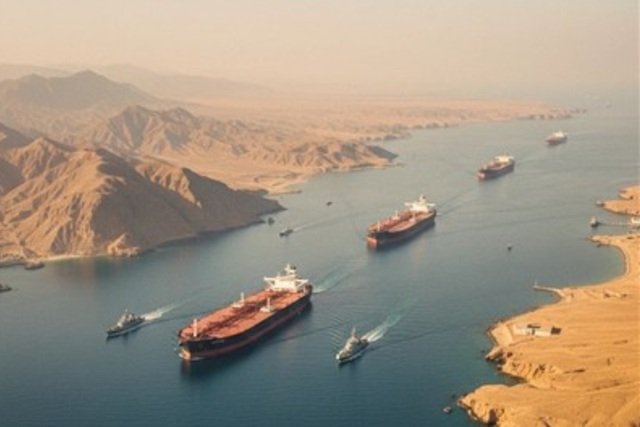
The continued closure of the Strait of Hormuz has unleashed what analysts describe as the largest oil supply shock in history, shutting in more than 10 million barrels per day of crude and sending shockwaves through global energy markets. Two months after coordinated strikes by the United States and Israel on Iran, tanker traffic remains largely blocked, trapping vast volumes of oil within the Persian Gulf and raising mounting fears of a global economic downturn.
The scale of disruption has exceeded early expectations, as initial forecasts suggested the strait would reopen within weeks. Instead, the prolonged closure has forced Middle Eastern producers to halt production while storage facilities fill to capacity and tankers remain stranded. The result is a cascading crisis that has driven energy prices sharply higher and intensified concerns that the world economy could tip into recession if the situation persists.
Even in the event of an immediate reopening, experts warn that restoring oil flows will be neither quick nor straightforward. Restarting thousands of wells across the region presents major technical and logistical challenges, particularly in countries like Iraq, where analysts estimate it could take up to nine months to return to pre-crisis production levels. Some wells may have suffered permanent damage due to abrupt shutdowns, while others will require extensive maintenance and intervention before they can resume output.
Industry leaders have echoed these concerns, emphasizing that the complexity of restarting oil infrastructure increases the longer production remains halted. Executives from major oilfield service companies warn that rushed attempts to restore output could risk long-term damage to reservoirs and equipment, potentially prolonging the recovery period. The need for skilled labor, functioning supply chains, and stable financing conditions further complicates the path back to normal operations.
According to assessments by the International Energy Agency, even under optimal conditions it would take at least two months after reopening the strait to reestablish steady export flows, with initial volumes likely falling short of pre-conflict levels. However, with no clear diplomatic breakthrough in sight and the strait still effectively blocked, such a timeline remains uncertain.
The broader implications for the global oil market are profound. Most of the world’s spare production capacity is concentrated in Gulf countries such as Saudi Arabia and the United Arab Emirates, leaving it inaccessible behind the closed waterway. This geographic reality means there are no immediate alternatives capable of offsetting the massive supply shortfall, further tightening global markets.
Attempts to compensate for the disruption have so far fallen short. While some hoped that increased production from other regions, including the United States, could help stabilize supply, analysts say such measures are insufficient to replace the scale of lost Middle Eastern output. The result is a sustained imbalance between supply and demand, with prices continuing to climb as inventories dwindle.
Market participants estimate that hundreds of millions of barrels of oil have already been lost since the crisis began, with total losses potentially approaching one billion barrels by the time production and exports begin to recover. This unprecedented deficit is expected to have lasting consequences, not only for energy markets but also for inflation, trade, and economic growth worldwide.
The disruption has also exposed the vulnerability of global energy systems to geopolitical conflict. The Strait of Hormuz, through which a significant portion of the world’s oil supply normally passes, has long been considered a critical chokepoint. Its closure underscores how quickly regional tensions can escalate into a global crisis, affecting economies far beyond the Middle East.
As the standoff continues, the outlook remains uncertain. Even if political conditions improve and the strait reopens, the damage to infrastructure, supply chains, and market stability will take considerable time to repair. For now, the world faces a prolonged period of volatility, with the consequences of this historic supply shock likely to be felt for years to come.