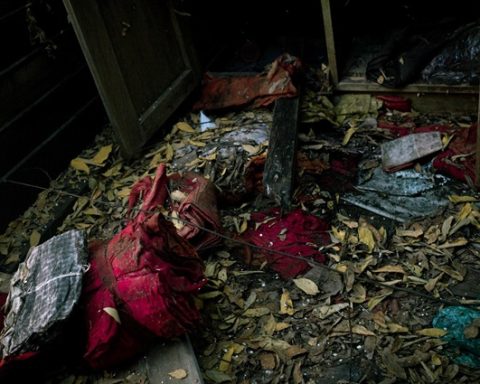
More than 200 people have been killed in a catastrophic collapse at the Rubaya coltan mine in eastern Democratic Republic of Congo, highlighting the lethal intersection of armed conflict, poverty, and the global demand for critical minerals. The mine, which supplies a significant share of the world’s coltan, is located in territory controlled by the M23 rebel group.
The collapse occurred on Wednesday, according to Lubumba Kambere Muyisa, spokesperson for the rebel-appointed governor of the province where Rubaya is located. Speaking on Friday, Muyisa said the death toll was still being assessed but confirmed that the number of victims exceeded 200. “More than 200 people were victims of this landslide, including miners, children and market women,” he said, adding that several people were rescued with serious injuries.
An adviser to the provincial governor said the number of confirmed deaths had reached at least 227. He spoke on condition of anonymity, citing a lack of authorisation to speak publicly as recovery efforts continued and bodies were still being recovered from the debris.
Rubaya is one of the world’s most important sources of coltan, a mineral processed into tantalum, which is prized for its heat resistance and used extensively in mobile phones, computers, aerospace components, and gas turbines. The mine accounts for an estimated 15 per cent of global coltan production. Much of the work at the site is carried out manually by local residents, who dig for a few dollars a day under dangerous and poorly regulated conditions.
The mine has been under the control of the M23 rebel group since 2024. The United Nations has accused the group of exploiting Rubaya’s mineral wealth to finance its insurgency, which it says is backed by neighbouring Rwanda. The Rwandan government has denied supporting M23.
M23, a heavily armed group whose stated aims include overthrowing the government in Kinshasa and protecting the Congolese Tutsi minority, seized large swathes of mineral-rich territory in eastern Congo during a rapid advance last year. The disaster at Rubaya has renewed international attention on the human cost of the conflict and the global supply chains that depend on minerals extracted under conditions of extreme risk.