In the northern French migrant settlement known as the Jungle, a grim scene unfolds: tents sit behind a trench of black mud and plastic waste, forming a staging ground for newly arrived Iranians preparing to cross the English Channel. This corner of the camp, dubbed Eastern Kurdistan by its residents, has become a hub for people fleeing persecution in Iran, many of whom are now attempting dangerous journeys to Britain, according to reporting by Times UK.
Two dozen young men and women, all in their twenties, arrived in Dunkirk just ten days after fleeing the Islamic Republic. Having traveled through Turkey and Europe in unmarked vans, they identified themselves as enemies of the Iranian state. “There are many more on their way,” they said, describing the Loon-Plage camp as a primary launch point for small boats crossing to Britain.
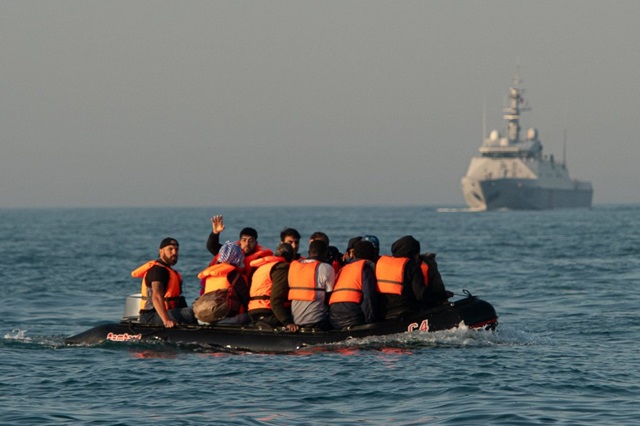
Among the new arrivals was Yusuf, who joined a group led by an Iraqi smuggler to attempt boarding vessels at Gravelines beach. The sudden warm spring weather sparked a chaotic rush as hundreds of migrants attempted to climb onto overloaded boats. About 60 people succeeded, while Yusuf collapsed on the cold beach, unable to feel his limbs after prolonged exposure in the chilly water. Emergency services were called to treat him.
Crossings continued the following day, aided by mild temperatures reaching 18C in southern England. European Union asylum officials and international experts warned that ongoing conflict in Iran could trigger an unprecedented surge of migrants across continental borders. The recent wave of refugees follows violent crackdowns on nationwide protests last month and displacement from the 12-day war with Israel last summer.
In the camps, many spoke of fleeing surveillance and oppression rather than direct conflict. Jiletni, 21, from Kermanshah in Iran’s Kurdish region, explained that he left his village in the night with a friend to seek freedom. Security forces killed over 40 protesters in Kermanshah earlier this year, and many of their friends remain missing, he said.
Iranian arrivals now make up a significant portion of Channel migrants. Last year, more than 41,000 people reached Britain on small boats, with Iranians representing 11 percent of those crossings, making them the third-largest nationality on the route. Iranians were also the most common nationality to arrive at British airports without documentation.
Muhammed, 24, from Sardasht in Iran, guided new arrivals through camp facilities and described both state persecution and fear of foreign strikes. His village suffered damage during Israeli operations targeting nuclear-linked facilities, displacing hundreds. “The Iranian people are targets on all sides,” he said. He expects family and friends to follow him soon.
Some migrants from neighboring countries, including Iraq, Turkey, and Syria, have reportedly claimed Iranian nationality to improve their chances of being accepted by British authorities. According to Oxford University’s migration observatory, Iranians have been the most common asylum seekers in the UK over the past decade.
The International Organisation for Migration has called for de-escalation in the Middle East, warning that military escalation could force millions more from their homes and exacerbate an already massive displacement crisis. Times UK reporting underscores the growing humanitarian challenge facing Europe as this latest migration wave unfolds.