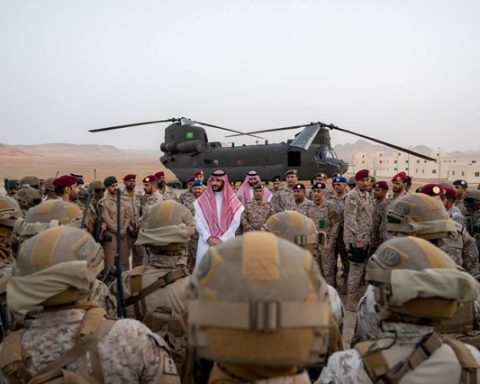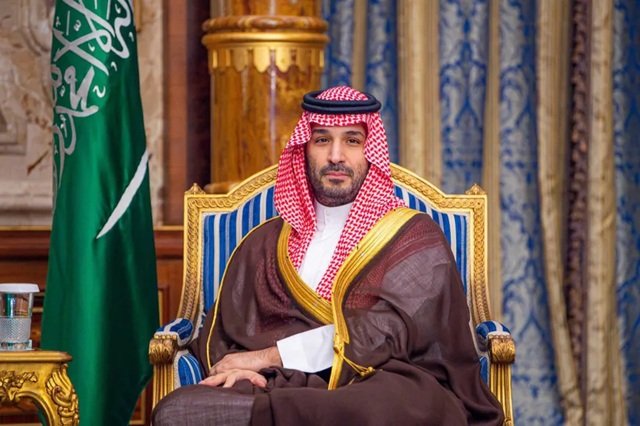
Saudi Crown Prince Mohammed bin Salman has reportedly tightened his personal security and begun moving between heavily guarded palaces equipped with bunkers as Houthi attacks on Saudi Arabia intensify, according to a report by The Wall Street Journal. The crown prince, the kingdom’s de facto ruler, was last seen in public on Tuesday last week, when he donated blood. He is reportedly travelling between fortified residences across the vast desert kingdom accompanied by a hand-picked security team.
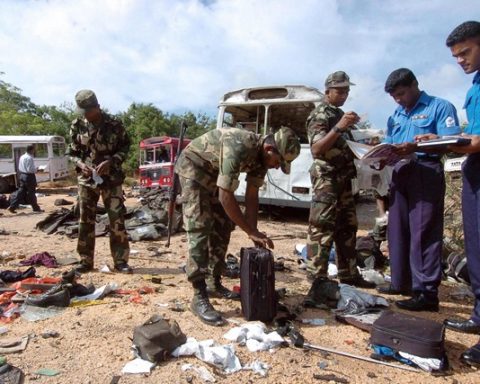
The security measures come amid a series of attacks claimed by the Iran-backed Houthi militia, including strikes on airports and energy infrastructure. An attack on the international airport in the Saudi capital, Riyadh, left 12 people dead, according to the supplied report. The rebels have continued their operations, with Saudi authorities reporting further incidents at major airports.
Saudi Arabia’s aviation authority reported on Sunday evening that an attack on King Fahd International Airport in Dammam had caused damage. A further attack on King Khalid International Airport, which serves Riyadh, reportedly left people injured. The incidents followed the deadly assault on the capital’s airport and formed part of a wider series of strikes claimed by the Houthis.
The militia said it had carried out four attacks inside Saudi Arabia on Sunday, using ballistic missiles, cruise missiles and drones. According to the group, the targets included King Fahd and King Khalid airports, a gas facility and an oil refinery belonging to state-owned oil company Saudi Aramco. The claims could not be independently verified.
The Houthis also said Saudi Arabia had launched more than 120 air strikes against the Yemeni capital, Sanaa, and other provinces during the same period. Those figures, too, could not be independently confirmed.
The rebels, who control extensive areas of northern Yemen, had previously threatened further attacks against Saudi airports and the kingdom’s airspace, declaring them “legitimate targets”. They said the only exceptions were Mecca and Medina, Islam’s two holiest cities.
The latest escalation has prompted a joint condemnation from the countries belonging to the so-called R4 group: Turkey, Egypt, Pakistan and Saudi Arabia. The four governments described the Houthi attacks as a “flagrant violation of international law” and a “dangerous escalation” that could not be justified or tolerated under any pretext.
Saudi Arabia has been fighting the Houthis alongside allied forces in Yemen for more than a decade. The conflict pits the Saudi-led side against the Shiite rebel movement, which receives support from Iran. The war has resulted in hundreds of thousands of deaths, according to estimates that include both direct and indirect consequences of the fighting.
The conflict has flared up again amid the war involving Iran, bringing renewed pressure on Saudi Arabia as it faces attacks on strategically important infrastructure and civilian transport facilities. The latest strikes have also raised the possibility of further military action by the United States, one of Riyadh’s most important allies.
Washington could launch new strikes in Yemen, as it did in 2024 and 2025, according to the report.