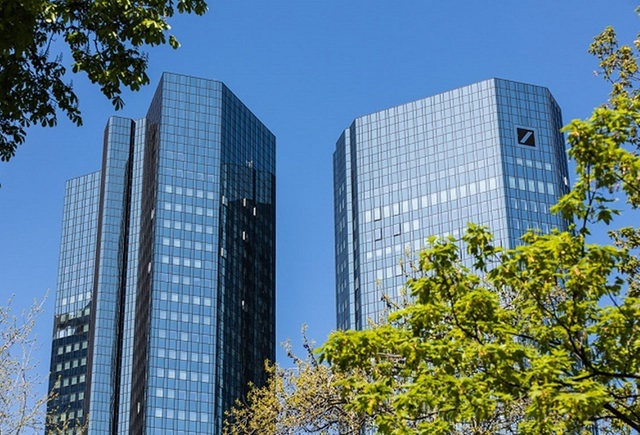
Deutsche Bank CEO Christian Sewing is facing mounting scrutiny after being drawn into a €152 million civil lawsuit that alleges his involvement in a flawed internal audit linked to a high-profile financial scandal more than a decade ago. The revelations, first detailed by Der Spiegel and supported by documents seen by the Financial Times, have reawakened questions about the German banking giant’s conduct during and after the global financial crisis.
The lawsuit was filed in Germany by Dario Schiraldi, a former senior banker at Deutsche Bank, who claims the 2013 internal audit — overseen by Sewing during his tenure as head of the audit division — was pivotal in his wrongful conviction in Italy in 2019. That conviction, connected to transactions involving the troubled Italian lender Monte dei Paschi di Siena (MPS), was overturned in 2022. Schiraldi is now seeking compensation for the damage to his career and reputation.
Though Sewing is not formally named as a defendant in the case, the lawsuit brings unwelcome attention to the chief executive of Germany’s largest listed lender. Since taking the helm in 2018, Sewing has sought to steer Deutsche away from years of scandals and restore its reputation among investors and regulators.
Schiraldi’s lawsuit claims that the internal audit led by Sewing was central to the Italian prosecution’s case. The audit investigated the accounting treatment of complex transactions with MPS dating back to 2008 and concluded with a restatement of Deutsche’s results. The audit reportedly shifted blame onto a handful of individual bankers, including Schiraldi, without finding evidence of criminal wrongdoing.
The Milan Court of Appeal, which overturned the convictions in 2022, sharply criticized the audit. In its ruling, the court described the audit as “opaque” and warned that the trial court had placed undue weight on the findings of an internal investigation “conducted by a foreign bank, whose decisions were clearly not motivated by philanthropic aims.” The court also highlighted that the audit’s scope was directed by Deutsche’s own senior leadership, raising concerns about its independence.
Internal documents reviewed by the Financial Times show that the audit was not only commissioned by then-CFO Stefan Krause, but also overseen by the bank’s chair, Paul Achleitner, and then co-CEO John Cryan. Despite these high-level endorsements, the appeal court concluded that “the very division that should have been subjected to the audit, instead directed its outcome.”
Deutsche Bank has rejected the allegations, stating that Schiraldi’s claims contain “misleading and false allegations around the audit,” and characterized the lawsuit as an attempt to generate publicity and damage the reputations of its executives. “We are confident that the court will dismiss the claim,” the bank told the Financial Times.
Following the Italian court’s reversal of the convictions, Deutsche appeared to revise its stance. In a 2021 letter to the Milan court, the bank emphasized the limitations of the 2013 audit and acknowledged that the audit’s assumption — that bond sourcing had been concealed — may not have been justified. Nonetheless, it maintained that the audit had been conducted properly and in line with internal and external standards.
Freshfields, Deutsche’s legal counsel, later told the Italian court that the reclassification of the MPS transactions, which was based on the audit, was not strictly necessary and deviated from standard market practice. Though the bank claimed it did not derive material financial benefits from the accounting change, the court concluded that the reclassification likely aimed to reduce scrutiny over the bank’s financial reporting.
Schiraldi has declined to comment on the ongoing lawsuit. Meanwhile, at least five other Deutsche Bank bankers — whose convictions in Italy were also overturned — are reportedly considering separate legal action in London, with settlement talks underway in at least one case.
As Sewing attempts to distance Deutsche from past controversies, this revived scandal threatens to complicate his reform narrative and further test investor confidence in the bank’s leadership and internal controls.