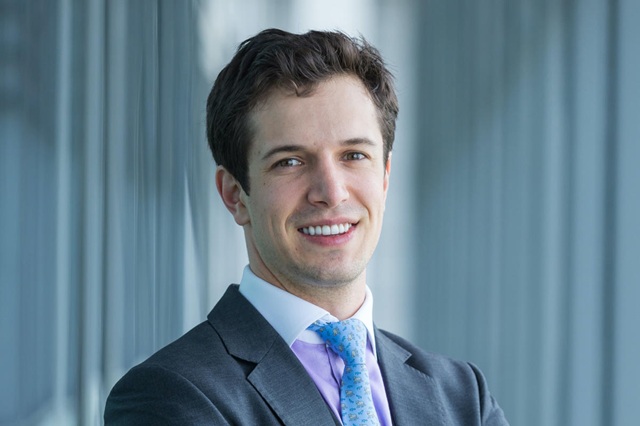
When an Abu Dhabi-based artificial intelligence company sought access to one of Europe’s largest data centres earlier this year, it turned to an unlikely intermediary—a former child actor turned investment banker. Zachary Cefaratti, founder of boutique advisory firm Dalma Capital, has quietly positioned himself as one of the Gulf’s most connected dealmakers in the technology and data sectors.
According to reporting by Financial Times, Cefaratti’s network spans tech leaders like OpenAI’s Sam Altman to senior Middle Eastern politicians, allowing him to broker deals in data centres, cryptocurrency mining, and other technology ventures. His clients include G42, the AI giant chaired by influential Emirati royal Sheikh Tahnoon bin Zayed al-Nahyan; Abu Dhabi sovereign investor ADQ; and Telegram, the encrypted messaging platform whose founder Pavel Durov resides in Dubai.
Executives familiar with Cefaratti’s work describe him as “an invisible kingpin in data centres,” a sentiment echoed by Andy Tang, partner at Draper Associates. Cefaratti’s expertise lies at the intersection of two global trends: the skyrocketing demand for computing infrastructure to power artificial intelligence, and the Gulf’s strategic push to invest in emerging technologies.
“I’d like to think that I’m more than just riding a wave,” Cefaratti told Financial Times. “It’s not completely by accident… I spend a lot of time thinking about and researching these things… not being like most investment bankers, really getting into the tech.”
Dalma Capital has advised the G42 group on partnerships with major cloud providers, including Microsoft’s $1.5 billion investment in G42 last year. Cefaratti also played a central role in structuring the French data centre deal between Core42 and DataOne, which closed earlier this year.
His advisory arm was also a joint arranger for Telegram’s $1.7 billion bond issuance in May, led by Jefferies. Cefaratti had previously facilitated meetings between Telegram’s founder and investors in Abu Dhabi.
For Cefaratti, the UAE’s ambitions align perfectly with the resource-heavy nature of AI development. “AI consumes massive amounts of energy and it’s very capital intensive,” he said. “The nation can then become an exporter of intelligence.”
Despite his growing influence, Cefaratti’s career has not been without setbacks. Between 2019 and 2023, he was investigated by Dubai’s financial watchdog, fined $162,500, and barred from acting as a senior executive after being accused of misleading regulators about historical trades.
“I think the big mistake I made was not taking it seriously,” he told Financial Times. “It just seemed like such a small thing from so long ago.”
Cefaratti’s journey began far from the world of finance. As a child actor, he appeared in shows like Star Trek: Deep Space Nine, and his grandmother encouraged him to invest his earnings in bonds and shares. He later dropped out of college to care for his father and launched a health insurance brokerage before rejoining academia and eventually founding Dalma Capital.
He entered the Gulf’s financial scene in 2012, initially managing only a few million dollars. Over time, he leveraged Dubai’s energy surplus, helping entities like ADQ monetize excess power by investing in bitcoin mining. His growing footprint in the sector led Draper Associates to appoint him as a venture partner in 2023.
Today, Dalma’s 21 employees operate at the nexus of technology, energy, and finance, offering bespoke solutions for clients navigating complex, multilayered deals. “Clients raising funds could just call a bulge bracket bank,” Cefaratti said, “but if they are putting together a complex deal that has multiple layers, that needs customers and technology; there’s not many one-stop shops that can do that.”
As AI continues to reshape global markets, figures like Cefaratti are quietly steering some of the most consequential deals—bridging Silicon Valley innovation with Gulf capital, and positioning the UAE as a formidable player in the future of intelligence-driven technology.