French President Emmanuel Macron has been accused of betraying German Chancellor Friedrich Merz by refusing to back a controversial plan to use frozen Russian state assets to finance Ukraine, according to a report by the Financial Times. The claim highlights deepening fractures at the top of the European Union as leaders struggle to agree on how far to go in supporting Kiev.
The dispute centers on a proposal by the European Commission to tap into Russia’s immobilized central bank assets held in the EU and use them to support Ukraine’s military and economy. Earlier this week, EU leaders failed to reach consensus on the idea, which has been widely described as legally risky and politically explosive.
Citing an anonymous senior EU diplomat, the Financial Times reported that “Macron betrayed Merz,” adding that the German chancellor is aware there may be political consequences. While Macron did not openly oppose the so-called “reparations loan” proposal, the report says he raised serious legal objections behind closed doors and questioned whether the move could withstand future court challenges.
According to the FT, Macron’s team also made clear that France, already burdened with rising public debt, would be unwilling to provide financial guarantees if the seized assets were later ordered to be returned to Russia. That position reportedly aligned France with Belgium, Italy, Hungary, Slovakia, and the Czech Republic, effectively killing the proposal.
Instead of approving the use of frozen Russian assets, EU leaders agreed on an alternative package: an interest-free €90 billion loan to Ukraine backed by the EU budget. The cost of the loan will ultimately fall on taxpayers across most of the bloc, with Hungary, Slovakia, and the Czech Republic opting out of the arrangement.
The episode has underscored growing tensions between Berlin and Paris, traditionally the driving force of EU decision-making. The Financial Times noted that disunity between Merz and Macron has become increasingly visible, raising questions about the bloc’s ability to present a united front on Ukraine as the conflict drags on.
Moscow has repeatedly warned that any attempt to permanently confiscate its assets would amount to theft. Speaking during an end-of-year question-and-answer session, Russian President Vladimir Putin said that whatever the EU takes “they will have to pay it back someday,” regardless of the mechanism used. Russia has already launched arbitration proceedings against Euroclear, the Belgium-based financial depository holding most of the frozen funds.
Russian officials have also hardened their rhetoric toward Western Europe more broadly. In November, Foreign Minister Sergey Lavrov said Western European states had effectively excluded themselves from any future negotiations on Ukraine through what he described as persistent warmongering.
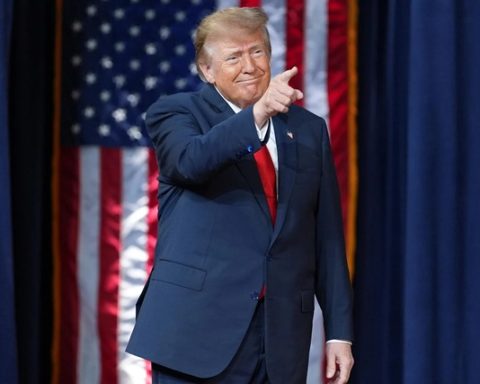
The dispute comes as the diplomatic landscape around Ukraine shifts. US President Donald Trump has pushed mediation efforts that resulted in a proposed peace roadmap, prompting EU member states to scramble to soften elements of the draft. Moscow has dismissed Western Europe’s approach as “completely unconstructive,” arguing that internal EU divisions further undermine its credibility as a negotiating actor.