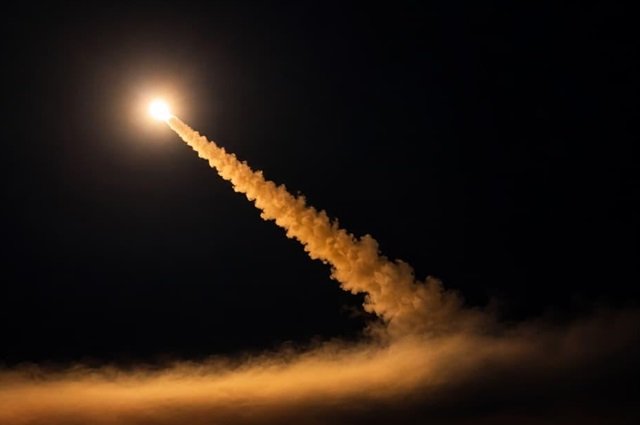
A question is the cheapest form of rumour. It asserts nothing, so it cannot be wrong, yet it plants an image in the reader’s mind. On November 1st, 2026, two days before the U.S. midterm elections, commentator Tucker Carlson posted on X that the Trump administration might be days from a nuclear strike on Iran’s Pickaxe Mountain site.
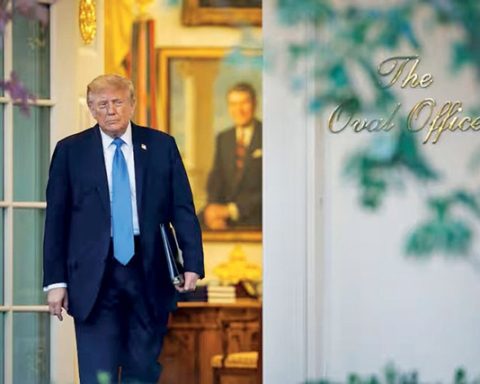
The public record points the other way. A White House official said Carlson has no insight into military planning. Trump dismissed the idea in April, called the question stupid on August 31st and told Newsmax in October, “I wouldn’t use nuclear. We don’t have to.” Fact-checks found no evidence for the claim. It spread anyway, and that shows how rumours work in modern conflict.
A claim does not need to be verified to shape opinion. It needs to be emotional, well timed and repeated. Vosoughi, Roy and Aral found in Science that false stories were 70 percent more likely to be retweeted and reached 1,500 people about six times faster than true ones. Humans, not bots, drove that gap. Repetition also raises the perceived truth of a false statement even when people know better. The claim moves fast, and the correction arrives late.
South Asia has seen the same pattern at full scale in the Pahalgam incident. On April 22, 2025, an incident occurred in Indian occupied Kashmir and within hours India and much of its media put blame on Pakistan. Pakistan denied any role and even offered to join a neutral investigation. India declined, suspended the Indus Waters Treaty and blocked 16 Pakistani channels, including Dawn News, Geo News and ARY News. Pakistan’s army said India had shared no shred of evidence, and a year later Information Minister Attaullah Tarar said India still had not substantiated its claims. Accusation, revenge and escalation came first. Proof was left for later.
Then came the fighting. India launched Operation Sindoor on May 7, and a ceasefire took hold on May 10 after the worst clashes since 1999. A second war ran on screens. On May 9, India Today, TV9 Bharatvarsh and ABP News told viewers the Indian Navy had destroyed Karachi port. Anchors also claimed India had hit Islamabad and that Prime Minister Shehbaz Sharif had surrendered. None of it happened. A viral post showed a burning night sky as Karachi port and drew about 2.5 million views. Alt News traced the photograph to an Israeli airstrike on Rafah in Gaza.
The war on Iran runs on the same method. Since U.S. and Israeli strikes began in February 2026, NewsGuard has logged 165 false claims that reached hundreds of millions of views. The nuclear claim is that method applied to the highest-stakes subject available. Nothing frightens an audience like the word nuclear. The claim landed two days before an election, in a year when talks had stalled despite Pakistan’s continued mediation efforts. It also carried real detail. Pickaxe Mountain is a deeply buried site Trump has openly discussed striking, and in October there were reports his administration was weighing the “mother of all bombs” against it. Trump’s reply to those reports was that the bomb is not nuclear. “This is just an extremely large bomb,” he said. A rumour needs only one word changed to turn a conventional option into a nuclear one.
The leap from capability to intention is the exaggeration. Hans Kristensen told TWZ a nuclear strike was “highly unlikely” because “the collateral damage from 400 kilotons would be considerable.” Non-nuclear options exist, and the president has ruled out nuclear use more than once. A claim that rests on a single post and reverses repeated public statements is not a leak. It is a headline with a source-shaped hole in it. Trump said no in April, and the story still returned in November.
Pakistan has reason to watch closely because it has been a target too. In January 2026, posts on X claimed U.S. aircraft had landed at the Dalbandin and Pasni airbases to prepare a strike on Iran. Pakistan’s information ministry rejected the story as “purely disinformation.” In April Pakistan hosted the 21-hour Islamabad talks between Iran and a U.S. delegation led by Vice President JD Vance, who praised Pakistan’s mediation. A country that borders Iran and has staked its credibility on diplomacy has a direct interest in rumours that diplomacy is over.
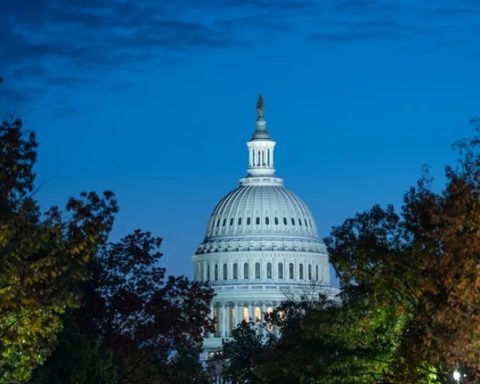
That explains how the claim traveled. Why it found an audience now is a second question, and the answer lies in the November 3rd 2026 elections. They may not change America’s strategic interests in the Middle East, which are preventing an Iranian nuclear weapon, securing the Strait of Hormuz and protecting Israel and its Gulf partners. They change the political environment, and with it the ways and means of pursuing those interests. The ends stay put. The cost, authority and legitimacy of the tools are renegotiated.
Here the nuclear claim and the election meet. When the ways and means are in flux, rumours about means flourish, because audiences sense that something large may be decided and have no official account to set beside it. Carlson’s post arrived at the point of greatest uncertainty and named the most extreme option available. The realistic changes point the other way, toward authorization fights, funding limits and negotiation. A nuclear strike is the option the new environment makes harder, not easier. The sensational question crowds out the serious one about what Washington can now sustain and what it will trade. These assessments rest on projected results and will shift when the new Congress convenes in January.
Pahalgam and the Iran war look different, but their ingredients repeat. There is an emotion strong enough to override doubt, a moment of high anxiety, repetition across many channels and platforms that reward whatever travels. In both cases the correction came late and small. The headline of this piece follows the same logic. A question costs nothing, asserts nothing and still plants the image. The honest answer is that nothing in the public record supports a nuclear strike on Iran and a good deal contradicts it.
Right now there are other questions that have answers that need to be checked, and they deserve the attention this sensational question took.