Meta said on Thursday it had removed more than 750,000 accounts it suspected were operated by Australians under the age of 16 since the country introduced a world-first ban on social media accounts for younger teenagers.
The company said it had deactivated 462,000 suspected under-16 Instagram accounts and 294,000 Facebook accounts between shortly before the ban came into force in December and June. The figures represent a substantial increase from the 331,000 Instagram accounts and 173,000 Facebook accounts Meta said it had removed by January.
The scale of the enforcement comes as Australian authorities examine whether social media platforms have done enough to comply with the law. Australia’s internet regulator is considering an enforcement lawsuit against platforms, including some owned by Meta, over concerns that they have failed to take sufficient steps to implement the restrictions.
Meta has said it wants to comply with the legislation, despite having strongly opposed the law, while continuing to defend its approach to enforcement. “Enforcement is ongoing, and these numbers will continue to grow,” the company said in a statement.
“We share the Australian Government’s goal of ensuring young people have safe, age-appropriate experiences online, and we are meeting our obligations under the law,” Meta added.
Australia’s social media restrictions came into force on December 10 following government concerns about the impact of social media on the physical and mental health of children and young teenagers. The legislation has attracted international attention as other governments consider similar restrictions on children’s access to social media.
Despite the ban, government figures and several independent studies indicated that more than eight in 10 under-16s remained on social media during the first three months after the restrictions began. No other major platform has released compliance figures covering the same period as Meta’s latest data, making direct comparisons difficult.
Australian authorities have accused social media platforms of intentionally setting the ban up to fail, while the government has moved to strengthen the enforcement framework. Proposed changes would double the maximum penalty for non-compliance to A$99 million ($69.75 million) and provide the regulator with greater powers to obtain documents.
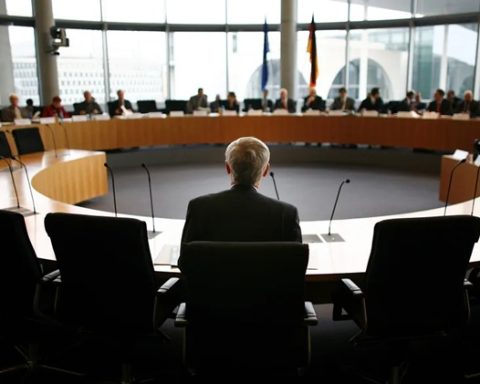
The issue is due to come under further scrutiny on Friday, when representatives from Meta, TikTok, Google, the owner of YouTube, and Snap’s Snapchat are scheduled to appear before a parliamentary inquiry. Regulatory and government officials are also expected to give evidence.
Meta said its enforcement system uses artificial intelligence to identify accounts that may belong to people under 16. The company said it analyses profiles for “contextual clues that an account may belong to someone under 16, such as birthday celebrations or mentions of school grades”, while also examining reports about suspected underage accounts.
The company has also introduced measures aimed at preventing users whose accounts have been removed from repeatedly attempting to create new ones.
The approach follows a 2025 Australian trial of age-assurance technology, which found that products available on the market could effectively support an age-based social media ban. Major platforms, including Meta, subsequently introduced photo-based age-estimation tools, although companies have said they typically first use age inference based on a user’s online activity.
As Australia’s system faces continued scrutiny, Meta’s latest figures show that enforcement has expanded significantly since the ban began. Yet the continued presence of large numbers of under-16s on social media means the effectiveness of the legislation and the platforms’ enforcement methods remain central to the country’s wider regulatory debate.