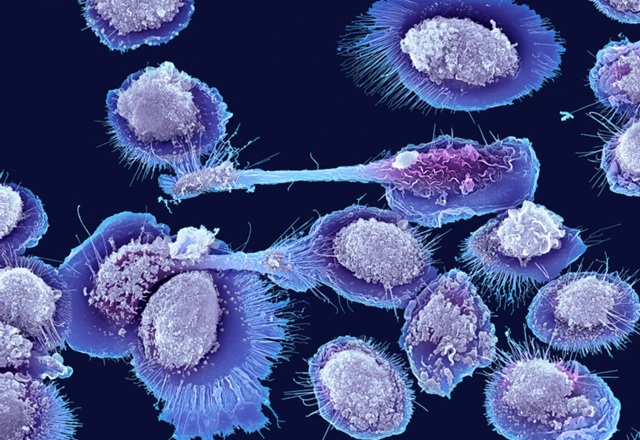
Scientists have identified a previously unknown immune cell in fat tissue that may contribute to chronic inflammation as organisms age, according to a new study published in Nature Aging. The discovery, based on experiments in mice, sheds light on the biological processes behind “inflammageing” — the persistent, low-grade inflammation that accompanies ageing — and opens new avenues for therapeutic interventions.
The research, led by immunobiologists Vishwa Deep Dixit and Elsie Gonzalez-Hurtado at Yale University, found that the inflammation-promoting cells appeared exclusively in older mice. These cells showed molecular signatures associated with age-related inflammation, although their exact role remains unclear.
“We did not anticipate that there would be a completely new cell type,” Dixit told Nature Aging, highlighting the surprise and significance of the discovery.
Fat Tissue: A Hub of Immune Activity
Inflammation is a natural response to injury or infection, involving immune cells that release proteins to fight threats and repair damage. However, as people grow older, inflammation persists even in the absence of disease or injury, contributing to metabolic and degenerative conditions.
Fat tissue, particularly visceral fat surrounding the organs, plays a complex role in regulating inflammation. Among its immune cells are macrophages — white blood cells that clear debris and pathogens. “There wasn’t really a good characterization of these cells,” Gonzalez-Hurtado explained to Nature Aging. Her team used advanced imaging and RNA analysis to profile macrophages in both young and aged mice.
The researchers identified 13 distinct types of visceral-fat macrophages, some of which changed in abundance with age. For example, nerve-associated macrophages decreased in older female mice but remained constant in males, while blood-vessel-associated macrophages declined in older males but stayed unchanged in females.
A New Player in Ageing
The most striking finding was a completely new type of macrophage that appeared only in aged mice. This cell type expressed high levels of inflammatory markers, implicating it in the inflammageing process. Where these cells originate remains unknown, but their emergence aligns with age-related tissue dysfunction.
Further investigation into nerve-associated macrophages revealed their role in maintaining fat tissue health. Microscopy showed these cells extending fine fibres to nearby nerves, suggesting they monitor and support the nervous system. Removing these cells from young female mice led to increased inflammation and impaired fat metabolism, reinforcing the idea that certain macrophages help regulate ageing-related processes.
Implications and Next Steps
“This discovery opens several new directions,” said Miriam Merad, an immunologist at the Icahn School of Medicine at Mount Sinai, speaking to Nature Aging. “A key question now is whether macrophage populations can be therapeutically restored to limit inflammageing and metabolic dysfunction.”
The researchers plan to delve deeper into how these newly identified cells function and how they might be targeted to mitigate ageing-related diseases. “Right now, we’re really not even scratching the surface,” Dixit noted.
As the global population ages, understanding the cellular mechanisms behind inflammageing is increasingly critical. This discovery not only highlights the complex role of immune cells in fat tissue but also points to potential strategies for improving health outcomes in later life.