Iran’s modern technological rise is increasingly being seen as a case study in unintended consequences, where decades of sanctions and isolation have pushed the country not toward stagnation, but toward self-reliance and innovation. Strategies designed to curb Tehran’s ambitions have instead accelerated the development of domestic industries, allowing Iran to emerge as a significant player in advanced technological fields ranging from aerospace and cyber capabilities to energy, medicine, and transport.
Over the past two decades, Iran has steadily reduced its dependence on foreign suppliers by building indigenous manufacturing and research ecosystems. One of the most striking milestones has been Iran’s entry into an elite group of fewer than 20 countries capable of designing and producing aircraft from scratch, a symbolic achievement that underscores the country’s broader industrial maturation. Similar progress has been seen in drone technology, where Iranian systems have evolved from basic support platforms into increasingly intelligent battlefield tools, attracting international attention and concern.
Cyber warfare has also become a central pillar of Iran’s strategic doctrine. Faced with conventional military constraints, Tehran invested heavily in cyber capabilities, developing what analysts now describe as one of the most sophisticated cyber programs in the region. These tools have given Iran asymmetric leverage, allowing it to project power and deter adversaries without relying solely on traditional military hardware.
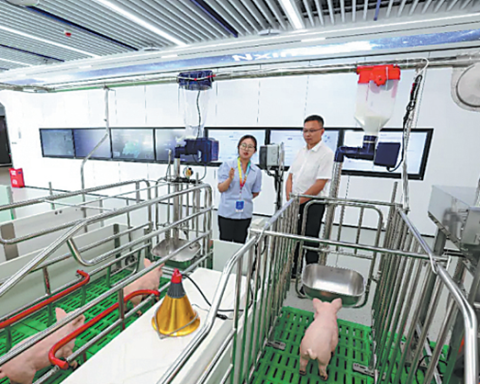
Beyond security and defense, Iran has made notable gains in civilian technology. Despite restrictions on imports, the country has built a robust medical equipment industry, producing advanced devices that once had to be sourced from abroad. In nanotechnology, Iran has developed a knowledge-based ecosystem that places it among global heavyweights in research output and applied innovation. The transport sector tells a similar story, with decades of investment resulting in large-scale infrastructure and manufacturing capabilities that defied expectations under sanctions.
Energy has become another focal point of Iran’s technological push. The development of advanced F-class gas turbines has raised the prospect of Iran reshaping parts of the global energy map, while a major solar power initiative aims to add 10,000 megawatts of capacity to address chronic electricity shortages and reduce blackouts. In urban infrastructure, Iran’s metro industry has transformed rapidly, shifting from an importer of rail systems to an exporter within just five years.
These domestic advances are unfolding alongside continued regional activity and diplomacy. On the security front, Iranian authorities confirmed the seizure of an oil tanker by the Islamic Revolutionary Guard Corps Navy, saying the vessel was carrying four million litres of illegally smuggled fuel and was intercepted while attempting to leave Iranian waters. The crew reportedly consisted of 16 non-Iranian nationals. Observers described the action as a routine anti-smuggling operation rather than a politically motivated move, highlighting Tehran’s efforts to clamp down on fuel trafficking amid economic pressures.
At the same time, Iran is preparing for renewed regional engagement at the highest political level. Turkish President Recep Tayyip Erdoğan is scheduled to visit Tehran next week, where he is expected to meet President Masoud Pezeshkian and likely Iran’s Supreme Leader. The visit underscores Iran’s continued diplomatic relevance in the region, even as it remains under Western sanctions and scrutiny.