


Sri Lanka has introduced new restrictions banning the importation of goods mined, produced, or manufactured using forced labour, following a decision by the United States to impose a 12.5 per cent import tax on the country over concerns about labour-related import controls.
A Gazette notification signed by President Anura Kumara Dissanayake on Friday requires importers to obtain certification documents from the Director General of Customs confirming that imported goods are not wholly or partly produced using forced labour.
The new regulatory measures were introduced after Sri Lanka was among 60 countries identified by the United States for a new import tax linked to concerns over the failure to establish and enforce a prohibition on goods produced with forced labour.
The Office of the United States Trade Representative (USTR) published a detailed report on June 2, stating that Sri Lanka’s failure to implement an effective forced labour import prohibition was “unreasonable” and created restrictions or burdens on US commerce.
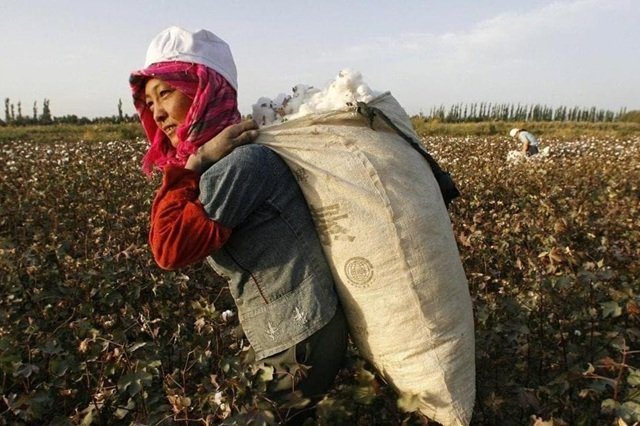
The USTR review focused on the importation of goods connected to forced labour practices and examined the impact on US trade interests. The report highlighted the importance of restrictions under the United States’ Uyghur Forced Labour Prevention Act (UFLPA), which prohibits the entry of goods, products, and merchandise mined, produced, or manufactured wholly or partly using forced labour linked to North Korean labour or the Xinjiang Uyghur Autonomous Region in China.
The report noted that the United States is a major consumer of finished cotton and cotton-blended textiles and apparel, sectors where supply chain transparency has become a key trade issue.
It also included case studies involving intermediary manufacturers with links to China across ten economies subject to investigation, including Sri Lanka.
Under the newly issued Sri Lankan regulations, importers will be required to provide documentation demonstrating that their goods comply with the new requirements before they can be cleared through Customs.
The move represents Sri Lanka’s response to concerns raised by US trade authorities regarding its import control framework and the need for stronger safeguards against products associated with forced labour.
The government’s decision comes as countries involved in global supply chains face increasing scrutiny over labour practices, particularly in industries such as textiles, apparel, and manufacturing, where international buyers have introduced stricter compliance requirements.
The Gazette notification places responsibility on importers to verify the origin and production conditions of goods entering Sri Lanka, with Customs authorities tasked with ensuring compliance with the new measures.












