The Abrogation of Articles 35A and 370 in India on 5th August 2019 led to the destruction of the demographic and political identity of the Illegally Occupied Jammu and Kashmir (IIOJK). The Indian government allowed non-resident individuals to purchase land and inhabit it, undermining the rights and representation of the indigenous people. This law reform undercuts their monopoly on work, schooling, and land, and threatens to marginalize the Muslim majority, creating a disproportion of the population and alienation.
India’s policy in Jammu & Kashmir post-2019 is similar to Israeli settler colonialism. The Jammu & Kashmir Reorganization Act 2019 displaces indigenous Kashmiri people without legal procedures, leading to economic disenfranchisement and land banks for industry growth. This anti-encroachment campaign displaces people without legal validity, causing economic disenfranchisement.
The fact sheet report also highlights that, just like Israel’s efforts to dispossess Palestinians, India’s legislative reforms seek to occupy land to turn colonial occupation into settler colonial control and negate Kashmiri identity through legal instruments that legitimize permanent occupation.
The Jammu Kashmir Reorganization Act 2019 marked a significant shift in the legal and political landscape of Jammu & Kashmir, dividing the state into two Union Territories and thereby abrogating the native people’s autonomy. This led to significant reforms in administration and legislation, repealing and amending over 200 existing laws.
The Tenancy Act, Jammu & Kashmir, and the State Subject Rule were also abolished, allowing demographic changes and land transfer to non-residents. This move was part of a broader settler colonialism strategy.
The state’s anti-encroachment drive in Jammu and Kashmir, despite being UN-recognized illegitimate territories, is causing heightened persecution against the indigenous population. The initiative, introduced in 20 districts, discriminates against those who legally own land under historical reforms. Livelihoods are disrupted as bulldozers, paramilitary forces, and revenue officials reclaim land, forcing people to leave their homes.
The Legal Forum for Kashmir claims this campaign resembles Israeli settler colonialism, symbolically and demographically disempowering locals. House demolition and agricultural unit destruction violate international humanitarian norms in a vulnerable socio-political setting.
The Indian administration has declared 178,005.213 acres of land in Kashmir and 25,159.56 acres in Jammu as “encroached” state land, despite its historical use by Kashmiris since the 1920s. The land, which once fed thousands of people, is now being repossessed without any process.
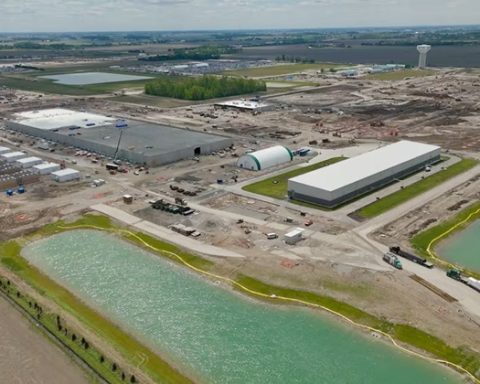
The government believes that the land can be developed industrially, and the Jammu & Kashmir Industrial Policy (20212030) has been cited for this purpose. The combined property of encroached land in the Union Territory has been over 18,000 crore, and over 1.92 lakh acres have been reclaimed.
The Jammu & Kashmir Reorganization Act 2019 has removed legal protections that previously limited land ownership to native Kashmiris, allowing non-indigenous people to reside in the IIOJK. Over 400,000 domicile certificates have been issued, allowing foreigners to purchase native land, secure employment, and cast votes. Industrial policies and land reclamation campaigns have exacerbated this issue, particularly due to the disproportionate increase in Hindu settlers, which predisposes the Muslim majority to the agglomeration, leading to poor political representation and cultural loss.
Jammu & Kashmir’s future is tied to the resolutions of the UN Security Council, specifically Resolution 47 (1948), which states that the future of Jammu & Kashmir is self-determination of the people of Kashmir using a plebiscite. History and resistance form a bond of shared identity that can never be erased, either by force or by manipulating demographics. Such a peaceful solution requires international supervision, disarmament, and reinstatement of civil rights where the ideology and the identity will prevail over the intimidation and the occupation.