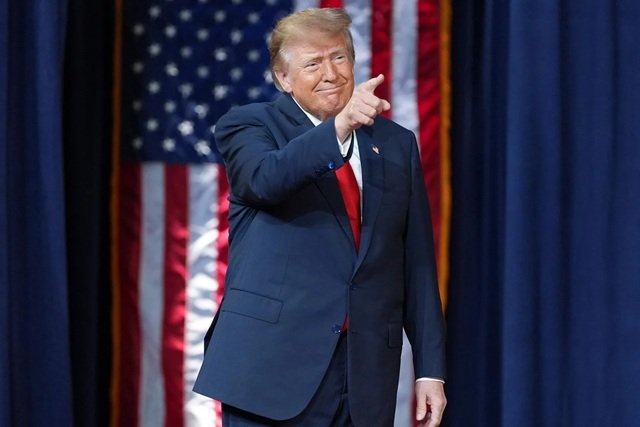
US President Donald Trump urged Nvidia chief executive Jensen Huang to fight to retain his position during a telephone conversation on Tuesday, even as a rapidly developing espionage scandal threatened his leadership of the world’s leading supplier of advanced artificial intelligence chips, according to two people briefed on the call.
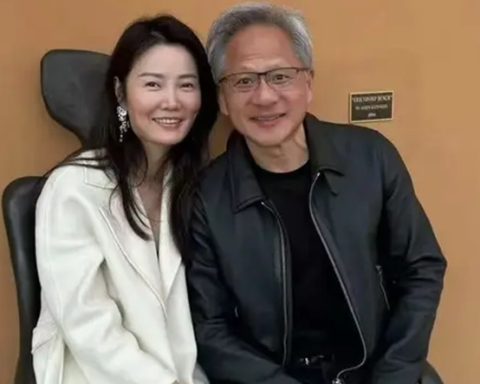
Huang stepped down on Thursday after revelations about an alleged affair with a woman suspected by US intelligence agencies of being a Chinese spy, as well as a separate relationship with one of his employees. The allegations prompted renewed scrutiny of his connections to China and his influence over the Trump administration’s technology and trade policies.
The call was the latest demonstration of Trump’s support for Huang, whom he had come to regard as a key ally in his efforts to secure American dominance in artificial intelligence. A representative for Huang did not comment, while neither Trump nor the White House responded to requests for comment about the conversation.
According to people familiar with the matter, US intelligence agencies had concluded that the woman, identified as Alice Huang, had been recruited by China’s Ministry of State Security. Trump had been warned about the relationship at least twice, first in late 2025 and again in the spring, but took no action on either occasion. He subsequently included Huang in his May visit to China.
Even as the scandal intensified, Trump continued publicly expressing support for the Nvidia executive. In a social media post on Thursday, he described Huang as a “legend”. Presidential advisers said Trump had largely dismissed the national security implications of the intelligence assessments, viewing the affair primarily as a matter of adultery rather than a potential threat to the United States.
Several advisers, speaking anonymously about private discussions, said Trump regarded Nvidia as too important to the American economy to risk destabilising its leadership. The company is among the world’s largest by market value and has become central to the global artificial intelligence industry. Trump was particularly concerned that Huang’s departure could trigger a sharp decline in financial markets. When reports emerged that Nvidia’s board was considering removing him, the president asked confidants about the possible economic consequences.
Trump’s attachment to Huang developed rapidly. During his first presidential term, the Nvidia founder had little presence in Washington, rarely engaged in political activity and did not attend Trump’s second inauguration. However, by late 2024, Trump had recognised Huang’s importance to a company controlling at least 80 per cent of the market for chips used to train the most advanced artificial intelligence models.
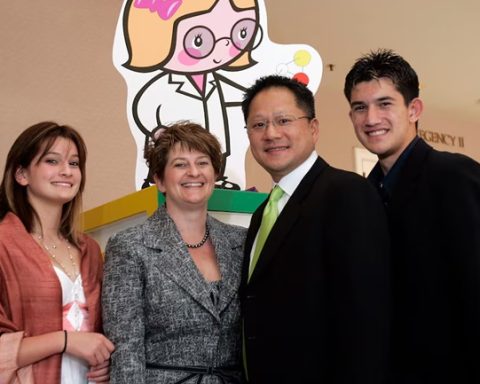
Their relationship strengthened after Huang and his wife, Lori, attended a dinner with Trump and technology and cryptocurrency donors at Mar-a-Lago in April 2025. The president increasingly viewed Nvidia as central to his ambition to revive American manufacturing through investment in data centres and artificial intelligence infrastructure.
Huang reinforced that relationship by promising that Nvidia would produce up to US$500 billion in artificial intelligence infrastructure in the United States. He also repeatedly praised Trump, declaring in July 2025: “America’s unique advantage that no country could possibly have is President Trump.”
The executive also influenced the administration’s approach to semiconductor exports to China. Huang argued that allowing Nvidia to sell chips internationally would encourage countries to build their artificial intelligence systems using American technology rather than Chinese alternatives. White House artificial intelligence and cryptocurrency adviser David Sacks supported that position.
Trump ultimately permitted Nvidia to sell certain chip models to China under an arrangement requiring the federal government to receive 15 per cent of the revenue, later increased to 25 per cent. The policy drew criticism from China hawks within the Republican movement, including Stephen K. Bannon, who advocated a complete ban on advanced chip sales to Beijing. Critics also questioned the legality of the revenue-sharing arrangement and warned of national security risks.
Some US officials had expressed concerns about Huang’s dealings with Chinese executives and local officials before the espionage allegations emerged. They questioned whether he had been sufficiently cautious about his relationships and whether he could have been unaware of the woman’s possible intelligence connections.
Trump, however, has generally approached China primarily through trade negotiations rather than broader security and human rights concerns. People close to the president have said he has privately questioned why the United States would risk a war over Taiwan, which he has reportedly dismissed in conversations with guests by holding up a teaspoon and saying: “This is Taiwan.”