Patients undergoing surgery surrender control of their bodies to medical professionals, often becoming completely unconscious before an operation begins. While surgeons concentrate on the procedure, conversations continue around the operating table, sometimes moving beyond medical concerns to comments about patients’ bodies, appearance, sexual histories and personal circumstances. Three anaesthetists interviewed by the German newspaper Die Zeit describe what happens behind operating-theatre doors, where professional detachment, workplace hierarchies and occasional disrespect coexist with the responsibility to protect people who cannot speak for themselves.
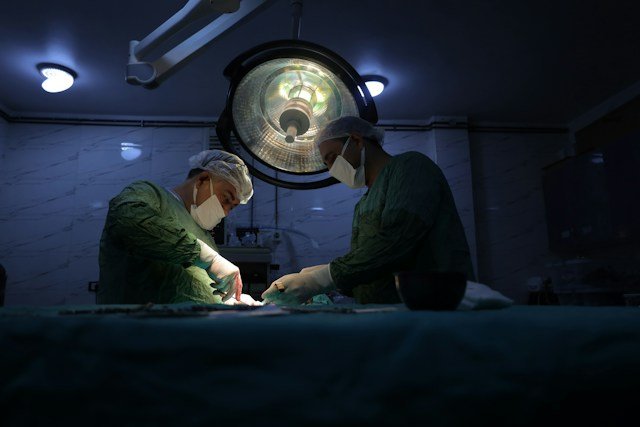
Anastasia Storck, 33, says patients are often unaware of the work performed by anaesthetists. Before an operation, they insert an intravenous line and administer painkillers and anaesthetic drugs. Once the patient is unconscious, they insert a tube into the trachea, connect the patient to a ventilator and continuously monitor blood pressure, pulse and oxygen saturation. While several surgeons and assistants may gather around the operating table, the anaesthetist is frequently the only person from the anaesthesia team in the theatre.
Storck says the atmosphere can change when patients are unconscious, particularly when their bodies do not conform to conventional expectations of appearance. People who are heavily tattooed, have substantial body hair or are overweight are more likely to become subjects of disparaging remarks once they can no longer hear what is being said. The comments can also emerge during physically demanding procedures. When patients are placed under general anaesthesia, they stop breathing independently and must be ventilated. Although a person with healthy lungs and a normal body weight can generally tolerate approximately two minutes before the airway is secured, excess weight pressing on the lungs can reduce the available time. Positioning an unconscious patient face down for spinal surgery also requires at least six people. Storck says such situations can produce stress among staff, sometimes accompanied by remarks about how someone became so overweight.
Her most troubling experiences occurred during her first year of training, when she spent six months in breast surgery. She recalls that female bodies were frequently discussed by female surgeons and operating-theatre assistants, particularly those of women who had breastfed. Changes in the appearance of nipples, including their size, colour and shape, became subjects of criticism, with comments suggesting that they were no longer attractive after breastfeeding or that hair around the nipples was unacceptable. Storck found the remarks particularly inappropriate given that many women undergoing breast cancer surgery had placed their trust in female surgeons.
“I thought I had ended up in a strange place,” she says. She once challenged the comments, but was met with eye-rolling, silence and whispered conversations. Those who objected risked being labelled politically overcorrect. Storck also describes confronting sexist behaviour directed at her professionally. Some surgeons repeatedly made disparaging remarks about her competence, including calling her “the little one” when procedures did not go well. After she complained to the chief physician, a meeting was held and she was no longer assigned to their operating theatres. She describes the decision to speak out as empowering.
The operating theatre, she says, is a strongly hierarchical environment in which surgeons hold considerable authority. She also identifies the use of the term “Morbus mediterraneus” as an example of discriminatory language. The pseudo-medical expression is used to describe patients from the Mediterranean region, often those with Arab roots, who become anxious, cry or raise their voices before surgery. Storck considers the term racist because it encourages medical staff to dismiss genuine fear and distress rather than take patients’ concerns seriously.
Marlene Jung, 32, who has worked as a doctor for six years, describes a different aspect of the same hierarchy: the reduction of patients and colleagues to their professional functions or physical bodies. She initially considered paediatrics but abandoned the idea during her practical training. After a year in surgery, she also decided against remaining in the speciality because of working weeks lasting between 70 and 85 hours. Surgeons could be required to remain in theatre for operations lasting 14 hours and return to work at seven the following morning. Anaesthesia offered a more structured working day and colleagues who could take over.
Jung says the hierarchy is apparent from the beginning. Junior staff are often expected to remain silent while senior surgeons operate, and some senior doctors do not bother to learn their colleagues’ names. One chief physician, she recalls, referred to an anaesthesia colleague simply as “Anaesthesia”. The distinction between medical responsibilities also shapes how patients are perceived. Anaesthetists meet patients while they are still conscious, whereas surgeons may not see their faces until they have been connected to a ventilator and covered for surgery.
“As an anaesthetist, I am the last face patients see before they fall asleep,” Jung says. She considers the interaction before anaesthesia important because patients remember whether they were frightened, distressed or treated with consideration. Once surgery begins, however, conversations frequently move to ordinary subjects such as weekend plans and holidays. She recalls an operating-theatre assistant commenting favourably on a patient’s breasts and a surgeon making remarks about a young woman’s body during an operation, speculating that she had previously been pregnant. Even medical colleagues are not exempt from such treatment. Jung remembers staff making jokes about the appearance of an anaesthetist’s liver when he underwent surgery.
Elina Drewes, 31, who began working as an anaesthetist at the beginning of the year after training as a paramedic, offers a more qualified account of how medical professionals become accustomed to nudity. In the operating theatre, clothing and personal belongings disappear, while tattoos and other physical features can occasionally attract attention. She recalls an older man undergoing prostate surgery whose tattoos of two angels in the groin surprised the team and prompted laughter. For medical staff, she says, naked bodies quickly become an ordinary part of the job, although she acknowledges that inappropriate comments sometimes occur.
One incident involved a patient with recurring papillomas on the vocal cords. While the patient was unconscious, a member of the team suggested that the condition resulted from unprotected oral sex. Another colleague immediately challenged the remark, pointing out that they did not know how the patient had contracted the condition.
Drewes says she takes seriously her responsibility to represent patients when they cannot communicate. If someone wants to keep screws removed during surgery for a hand fracture, she informs the surgeon, takes possession of the screws and returns them to the patient after recovery. She also pays attention to positioning, including patients who suffer from neck pain.
However, she says economic pressure increasingly limits the time available for individual care. Staff are encouraged to shorten the induction of anaesthesia so that operations can begin more quickly. She believes patients should have sufficient time to explain their needs, including anxiety and previous difficulties with particular medication. “A well-discussed anaesthetic often also leads to better outcomes,” she says.
Drewes also challenges popular portrayals of operating theatres as places of constant drama. Music, ranging from jazz to techno, is often played during procedures, although surgeons generally decide whether it is appropriate. Stress can produce angry outbursts, including shouting when a complicated operation becomes difficult, but she distinguishes such frustration from hostility towards patients.
Her account returns to the central responsibility shared by the three anaesthetists: looking after people who are entirely dependent on medical staff while unconscious. Even when hundreds of procedures make individual patients difficult to remember, Drewes says each anaesthetic must remain tailored to the person receiving it.