Editorial
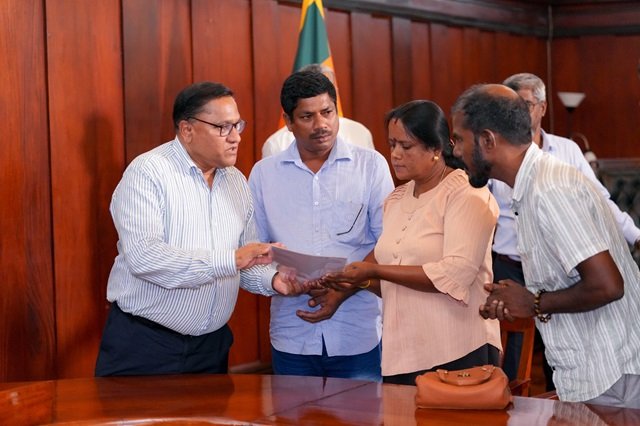
We have had considerable reservations about our Foreign Minister, Vijitha Herath. We have not been reluctant to express them, particularly over aspects of his conduct and performance in public office. But the successful conclusion of the Anojan Sivarasa case demands recognition, and it would be intellectually dishonest to allow our reservations to diminish what has been achieved here. Herath deserves credit for his role in bringing this matter to a successful conclusion. Behind this outcome are thousands of anxious hours, sleepless nights and the anguish of a family that feared the worst. A father who sends his son abroad to earn a living should never have to contemplate receiving him in a coffin. That this family may now welcome their son home is an achievement that deserves more than a passing acknowledgement.
This was not a routine consular intervention. A Sri Lankan citizen had been sentenced to death in Saudi Arabia, and the prospect of execution had become a terrifying reality for his family. The stakes could hardly have been higher. Herath, as the country’s Foreign Minister, had to navigate a particularly sensitive diplomatic and legal situation involving another sovereign state’s judicial system. The eventual outcome required persistence, political engagement, diplomatic judgement and the willingness to mobilise every available channel. The Saudi Supreme Court’s decision to set aside the death sentence was an important breakthrough, but the battle was not over. The subsequent decision by the Saudi Public Prosecution on 9 November not to pursue further proceedings finally brought the case to a close.
Herath deserves particular recognition for ensuring that the diplomatic effort did not lose momentum after the death sentence was overturned. The Foreign Ministry maintained its engagement, Sri Lanka’s Embassy in Riyadh continued its work with Saudi authorities, and a team of Sri Lankan legal professionals travelled to Saudi Arabia to assist in coordination with their Saudi counterparts. The President’s guidance, the work of government officials, the legal expertise mobilised for the case and the cooperation of Saudi institutions all contributed to the result. But political leadership matters in such circumstances. Someone must take responsibility for bringing these different efforts together, maintaining pressure through appropriate diplomatic channels and ensuring that the matter is not allowed to disappear into bureaucratic correspondence. Herath’s role in that process should be acknowledged without qualification.
There is an even deeper reason why this outcome matters. Sri Lanka has paid an unbearable price for failing to protect its citizens adequately in foreign jurisdictions. The execution of Rizana Nafeek in Saudi Arabia in 2013 remains one of the most painful reminders of the consequences of vulnerability, inadequate legal protection and failures of timely intervention. Her circumstances were different from Anojan’s, but the lesson should have remained permanently before successive governments. The effort to secure Anojan’s release suggests that at least some of those lessons have been learnt. We should recognise that progress rather than dismiss it because it comes from a government or minister we may otherwise criticise.
However, responsibility does not rest entirely with governments. Sri Lankans seeking employment overseas must understand the laws, customs and social practices of the countries in which they intend to live and work. Conduct that may appear harmless or attract little consequence at home can carry severe penalties elsewhere. Religious sensitivities, public behaviour and social media activity require particular care. No one should face a disproportionate punishment, but ignorance of local law cannot be treated as protection against its consequences. Pre-departure education must become a serious responsibility of recruitment agencies and state institutions.
For now, the country has reason to be relieved and proud. Anojan’s family has been spared an unimaginable tragedy. Vijitha Herath has demonstrated that diplomacy, when pursued with determination and purpose, can produce results that matter profoundly to ordinary people. We can resume our criticisms where they are justified. But we must also be honest enough to recognise a success when it occurs. In this instance, a Sri Lankan life has been spared, and the Foreign Minister deserves credit for helping make that possible.