


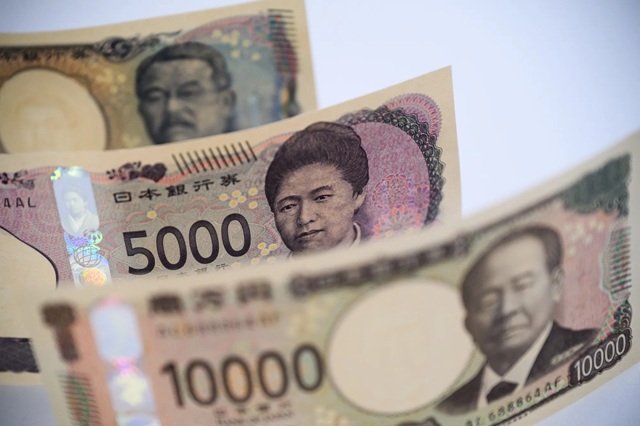
The Japanese yen has fallen beyond ¥163 against the U.S. dollar, reaching its weakest level in nearly four decades as concerns over Japan’s fiscal outlook, monetary policy and the absence of government intervention continued to weigh on the currency.
The yen traded at around ¥163.23 to the dollar ahead of the opening of markets in Tokyo on Thursday, marking its lowest level since 1986. The currency has remained above ¥160 since early June and spent most of July trading above ¥162, levels that had long been viewed by financial markets as likely to trigger intervention by Japanese authorities.
The lack of significant government action to support the yen, coupled with relatively restrained official warnings in recent weeks, has prompted market participants to speculate that Tokyo may have become more tolerant of a weaker currency. While Finance Minister Satsuki Katayama has stated that the government remains prepared to take “decisive action,” investors have increasingly questioned whether authorities will intervene at current exchange rate levels.
Some investors are now watching the ¥165 level as a possible threshold for intervention, while one technical analyst cited by Bloomberg projected the yen could weaken to ¥170 against the dollar next year.
Analysts have also pointed to expectations of expansionary fiscal policy under Prime Minister Sanae Takaichi as another factor contributing to the yen’s decline. Prospects of tax cuts and increased government spending have added to concerns about Japan’s fiscal position and the outlook for the currency.
Japanese authorities previously conducted a record round of currency intervention in April and May, spending approximately $73.6 billion to support the yen. Despite those efforts, many investors remain sceptical about the long-term effectiveness of intervention, with expectations that any strengthening of the currency resulting from official action would likely prove temporary.
The widening interest rate differential between Japan and the United States has remained a key driver of continued selling pressure on the yen. The Bank of Japan raised its policy interest rate to 1 per cent on 16 June, while the U.S. federal funds rate remains between 3.50 per cent and 3.75 per cent, maintaining a significant yield advantage for dollar-denominated assets and reinforcing demand for the U.S. currency.












