by Our Correspondent in Doha
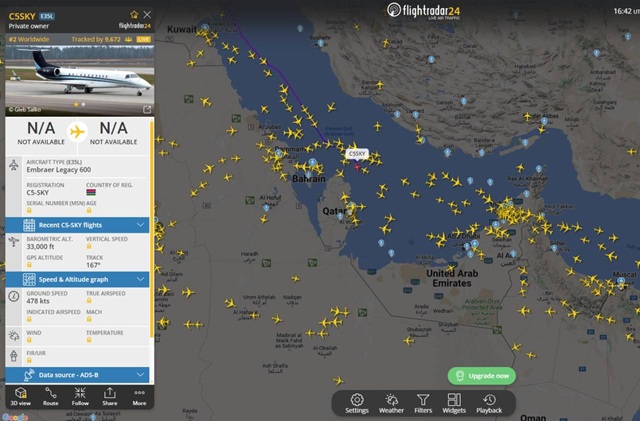
Reports from multiple sources suggest a major shift in the Syrian power struggle as President Bashar al-Assad has reportedly fled Damascus amid a growing rebel offensive. According to unconfirmed rumors and credible sources, a Syrian government plane was observed taking off from Damascus and is reportedly en route to Abu Dhabi in the United Arab Emirates, fueling speculation about Assad’s departure from the capital. However, some reports citing Israeli sources state that, according to high-ranking Israeli officials, Assad is still in Damascus.
Meanwhile, according to Bloomberg, Bashar al-Assad has approached the U.S. through the United Arab Emirates in an attempt to broker a deal. The proposal reportedly involves Assad committing to sever all ties with Iran and Hezbollah in exchange for Western support to help him maintain his grip on power.
These developments come as Syrian opposition forces have reportedly advanced toward the heart of Damascus, with reports indicating that militants have reached Daraya, a village situated just 5 kilometers from the city center and approximately 6.5 kilometers from Assad’s presidential palace. If accurate, this would mark a significant milestone in the rebel’s strategy to pressure the Syrian regime.
Despite these claims, the Syrian Defense Ministry has dismissed such reports, labeling them as enemy propaganda. “Our valiant army continues its operations in Homs, Aleppo, and Hama. We are inflicting hundreds of losses on the terrorists,” said the official statement from the Ministry, signaling an attempt to downplay the rebel advance and maintain confidence in the regime’s strength.
While reports about Assad’s retreat continue to circulate, a separate and concerning development involves Iran’s strategic withdrawal from Syria. The Washington Post has claimed that Iran has begun pulling parts of its diplomatic corps out of Syria, a sign that could have significant political and military ramifications. Iranian diplomatic movements suggest a reshuffling of its long-standing presence in the conflict, particularly amid mounting rebel pressure and regional instability.
Additionally, Javar Larijani, a senior advisor to Iranian Supreme Leader Ayatollah Khamenei, emphasized the growing role of resistance forces and hinted at concerns regarding the Syrian military’s ability to defend key strategic areas. Larijani said, “Resistance forces have entered the field, and are organized. The Syrian Arab Army can clearly no longer defend Syria; this matter should have been in our hands from the beginning.” His statements imply that Iran is taking a more active role, potentially bypassing reliance on Assad’s traditional military infrastructure.
Iran has long been accused of deploying a mix of military advisors, lightly armed units, and special forces to Syria. While Iranian Revolutionary Guard Corps (IRGC) advisors and Afghan Fatemiyoun units have maintained a presence, their operational scope has largely focused on logistical support and counterterrorism rather than direct urban warfare. However, the extent of Iranian involvement in Syria remains murky, especially amid reports of Basij units and other irregular forces playing a role in stabilizing strategic areas. Larijani’s recent statement may suggest a new strategic posture aimed at reshaping the conflict’s political landscape, particularly as rebel groups gain momentum.
Amid this backdrop, the Syrian Armed Forces are reportedly on high alert, preparing for a prolonged fight. Despite rumors of retreats and strategic withdrawals, the Syrian military command remains defiant. A statement from the General Command of the Syrian Arab Army asserted: “We are not surrendering and will continue the war, waging battles for Damascus, Homs, Hama, Aleppo, and Daraa.”
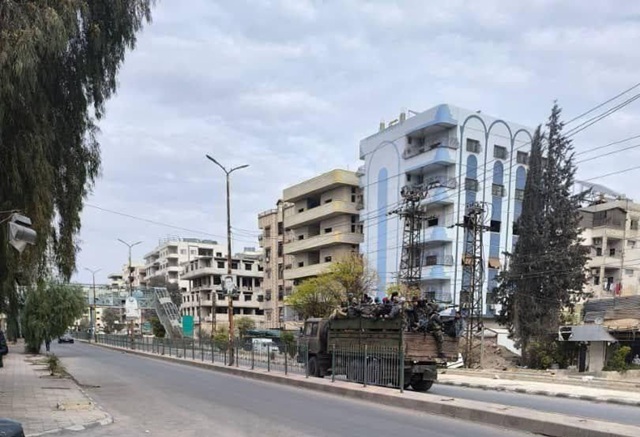
Reports also indicate that the SAA (Syrian Arab Army) has ordered a full evacuation of the General Staff Headquarters and Air Force Command Center from Damascus. This comes as reports of intensified rebel attempts to infiltrate and destabilize key areas near the capital emerge. Analysts suggest that the order to evacuate strategic locations reflects both a tactical response to the advancing rebels and a signal of Assad’s precarious position.
After 13 years of relentless warfare, millions of Syrians have endured unimaginable suffering, with displacement, loss of homes, and broken families a stark reality. Reports indicate that the humanitarian toll continues to mount, with questions about how the latest rebel advances and potential political realignments will affect these vulnerable populations.
Amid these uncertain circumstances, many analysts speculate that the Assad regime’s ability to maintain power is in jeopardy, especially if reports about his absence are verified. Meanwhile, the situation remains dynamic, with ongoing military movements and political developments in Damascus threatening to reshape the future of Syria.
As rebels push deeper into the capital and Iran’s strategic calculations evolve, the global community is watching closely. Though the Syrian Armed Forces claim they will not retreat without a fight, the question remains: Will they hold out, or will Damascus soon fall into the hands of the opposition?