The article titled “Why Sri Lanka Must Reject Nuclear Energy” presents a compelling case, albeit one based on a short-sighted, almost nostalgic view of energy policy that is rooted in outdated concepts of what constitutes a sustainable energy future. It is, in fact, quite fascinating to see how the authors—who now reside in Australia—choose to speak with such fervour about the future of Sri Lanka’s energy, as if the country’s complex socio-economic and environmental challenges could be solved by relying solely on age-old energy solutions. It’s almost as though the proposed nuclear energy solution in Sri Lanka were some kind of outdated relic, when in reality, those advocating for such a position seem to have missed the very real and imminent energy crisis that the nation faces.
One might ask, what are we truly rejecting here? Is it the very real, pressing need for secure, stable, and affordable energy? Or is it a refusal to evolve, trapped in an illusion that the old ways—relying on unreliable and unsustainable resources like coal, oil, and hydro—are the keys to a prosperous future? Sri Lanka, with its spiralling energy demand and rapidly depleting resources, has long been forced to contend with the grim realities of an energy sector that is failing its people. The argument that nuclear power should be rejected based on high costs, waste management, and safety concerns is an argument that might have been more valid a few decades ago. However, to hold on to such concerns today, in light of the rapid advancements in nuclear technology and the mounting pressure of an unreliable energy grid, is akin to clinging to a dated philosophy that no longer serves its purpose.
Let’s look at the facts. The electricity supply in Sri Lanka today is far from secure. Millions of households, particularly in rural areas, continue to live with dim lights and insufficient power. It is a reality that the country’s power capacity is significantly underutilised, with vast amounts of energy infrastructure being squandered on purposes far removed from meeting the needs of ordinary citizens. For the everyday Sri Lankan, the electricity that is meant to power homes, schools, and industries is often diverted for purposes that are both unnecessary and inefficient. Meanwhile, the poor farmer, the factory worker, the small business owner—all face the consequences of a system that is failing them. No amount of wishful thinking will change this unless Sri Lanka is willing to invest in real, scalable solutions.
To dismiss nuclear energy entirely in favour of renewables such as solar or wind is, to put it bluntly, a short-sighted vision. Yes, renewables are essential to the future of energy generation, and Sri Lanka must harness its abundant sunlight and wind resources. But what is glaringly obvious is that these technologies alone cannot be the foundation of a reliable, large-scale energy system. Solar panels and wind turbines, while undeniably beneficial, cannot deliver the consistent and high-capacity power necessary for a growing economy. The absence of a stable base-load generation system is an issue that cannot be solved by simply adding more panels to rooftops or wind farms to the coast. Countries across the world have recognised this fact, and yet Sri Lanka continues to cling to outdated notions of energy sufficiency, as if fossil fuels and intermittent renewables could carry the weight of the country’s power needs.
Consider the example of South Korea—a country with limited natural resources and a landmass slightly larger than Sri Lanka’s. South Korea has long since embraced nuclear power and established itself as a global leader in energy security. Through decades of investment in nuclear technology, South Korea has achieved energy independence, reduced its reliance on fossil fuel imports, and built an economy that is robust, sustainable, and environmentally conscious. Sri Lanka, a similarly small nation, faces many of the same energy challenges. Yet, while South Korea has advanced in its energy strategy, Sri Lanka remains stuck in a loop of indecision, trapped by the rhetoric of fear-mongers who refuse to acknowledge the possibilities that nuclear energy could offer.
The claims in the article about the unaffordability of nuclear energy are a red herring, designed to obscure the real issue. The cost of inaction far outweighs the upfront expense of establishing a nuclear program. Sri Lanka’s energy infrastructure is already grossly underfunded, inefficient, and insufficient to meet the nation’s growing needs. The financial strain imposed by coal and fuel imports is crippling, draining the country’s foreign reserves and further exacerbating the national debt. The oil market is volatile, subject to the whims of global geopolitics and supply chain disruptions. In short, Sri Lanka cannot afford to wait for the perfect renewable solution to arrive.
Another factor that is conspicuously ignored by those who advocate for an exclusively renewable future is the environmental impact of coal and oil. The same critics who fear the dangers of nuclear power are often silent on the damage caused by burning fossil fuels. The environmental degradation wrought by coal mining, oil extraction, and the burning of these fuels is an existential threat to both Sri Lanka’s environment and its people. Yet, somehow, these same critics would rather continue down a dangerous path that sacrifices long-term environmental sustainability for short-term energy solutions. To favour the expansion of coal and oil while simultaneously rejecting nuclear power is, frankly, an incoherent and illogical stance.
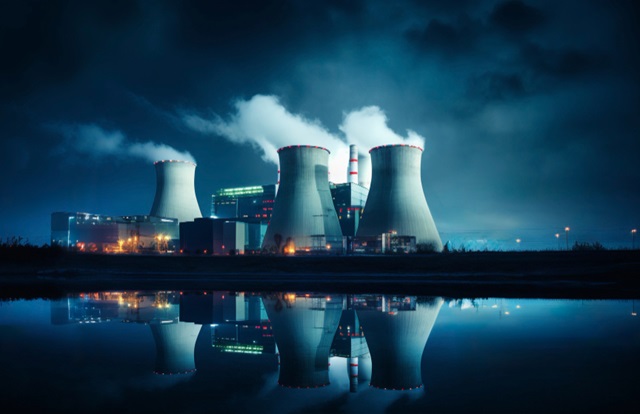
What is more worrying, however, is the apathy surrounding the true potential of nuclear energy. The article’s arguments fail to consider the long-term vision required to secure Sri Lanka’s energy future. The energy systems of tomorrow will not look like the systems of today. The advances in nuclear technology, particularly in the development of smaller and more efficient reactors, make it possible for countries to build power plants that are both safer and more cost-effective than ever before. The era of massive, multi-billion-dollar power plants is giving way to smaller, modular reactors that are ideal for countries with limited space or resources. This is the kind of future that Sri Lanka should be investing in, and yet it seems content to remain shackled to outdated models of energy generation.
This is not just a question of energy policy; it is a question of Sri Lanka’s place in the world. As the country stands at the threshold of industrialisation, the energy choices it makes today will determine whether it sinks into the abyss of economic stagnation or rises to take its place as a thriving, self-sufficient economy in the 21st century. Nuclear power offers the nation the possibility of energy independence and economic growth. It would allow Sri Lanka to decouple itself from the vicissitudes of global oil markets and offer an energy solution that is both clean and reliable. The choice is clear: continue with the illusory notion that Sri Lanka can power its future with renewables and inefficient fossil fuels, or embrace nuclear power and secure a prosperous future for all Sri Lankans.
It is beyond comprehension that Sri Lanka has failed to capitalise on the opportunities offered by nuclear energy, especially when one considers the partnership with Russia that has remained inexplicably stalled for years. Russia’s offer to help Sri Lanka build a nuclear plant—a proposal that has now languished in the depths of bureaucracy—could have been the lifeline the country needed. Instead, Sri Lanka stands at the edge of a missed opportunity, one that could have secured not only its energy future but also its economic security for generations to come. One must ask why such an opportunity has been allowed to wither away. Is it political indecision? Is it bureaucratic inertia? Or is it simply an unwillingness to confront the hard truth that nuclear power is not just an option—it is a necessity?
The future of Sri Lanka’s energy sector is not something that can be left to chance or driven by short-sighted considerations. It is a matter of national urgency, one that demands bold decisions and visionary leadership. Nuclear energy is not a risk—it is an opportunity. To reject it now, based on outdated arguments and irrational fears, would be a betrayal of the future. Sri Lanka cannot afford to make such a grave mistake. The time for change is now, and nuclear power is the only real solution to the country’s energy woes.
The writer can be reached at luxmanaravind@gmail.com