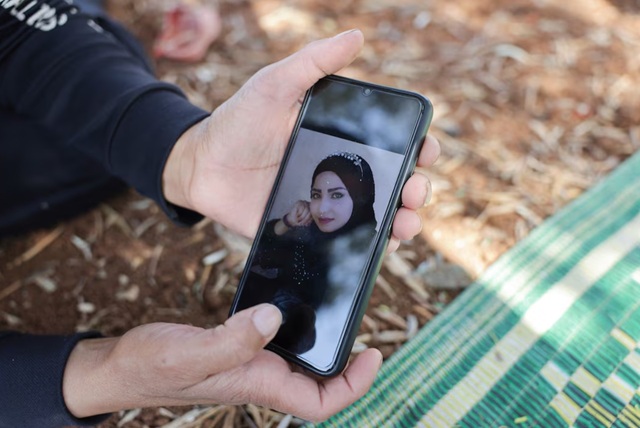
A week of brutal sectarian violence in Syria’s southern Sweida province in July effectively ended the presence of Bedouins in most Druze-majority areas, and months later, their path home remains unclear. The Sbeih family, among those displaced, recounted being taken by Druze gunmen and held in a school with other Bedouin tribe members before escaping when their captors vanished after three nights. During the chaos, three members of their family were killed, including their 20-year-old daughter, Malak, who had been due to marry the next day. Faisal Sbeih, the father, accused militias loyal to leading Druze cleric Sheikh Hikmat al-Hajari of driving their Sunni Muslim community from Sweida, a claim shared by more than a dozen displaced Bedouins interviewed by Reuters.
Faisal described a once-integrated life with Druze neighbors, buying bread and water from the same shops, only to face hostility after the clashes. Video circulated on social media, which Reuters was able to verify, corroborates part of Faisal’s account, showing Bedouin families at a Druze property in the village of Umm Zeitoun where they were held captive. The Sbeih family is now camped in Nawa, a village in neighboring Daraa province, working in the fields of a farmer who provides them with a tent to sleep in. Faisal said that after 17 years of labor in Lebanon to build a home in Sweida, where he raised livestock and cultivated crops, all was destroyed in moments.
Tensions between Druze and Bedouins escalated in July when a Druze merchant was abducted, prompting accusations against Bedouin tribes and igniting tit-for-tat kidnappings and clashes. According to monitoring groups cited by Reuters, more than 1,000 people were killed, most of them Druze, while tens of thousands of people from both communities were displaced. Druze forces now control much of Sweida, patrolling roads and running local councils, while Bedouins have mostly sought refuge in other parts of Syria, including schools, hotels, and relatives’ homes.
Druze leaders told Reuters they tried to protect Bedouin families and denied any campaign to evict them, although a senior militia commander described the return of Bedouins as currently unacceptable, blaming them for participating in violence against the Druze community. Hajari’s office told Reuters that the cleric prohibited any assault against Bedouins and described them as integral to the social fabric, but did not provide clarity on when displaced families could return. The Syrian Information Ministry acknowledged abuses on all sides and stressed that reestablishing government control over Sweida was critical for the security of both Druze and Bedouins.
The Sbeih family continues to mourn their lost loved ones while struggling to survive in displacement. Faisal and his wife Fasl relive the day Malak was shot, separated from her in the chaos, and later learned she had died in a hospital. Their experience highlights the deep scars left by the violence, as mistrust and fear make it difficult to envision coexistence returning to Sweida. Analysts, including Haid Haid of the Arab Reform Initiative, told Reuters that reconciliation will require comprehensive efforts to address the trauma and dehumanization witnessed by both communities.