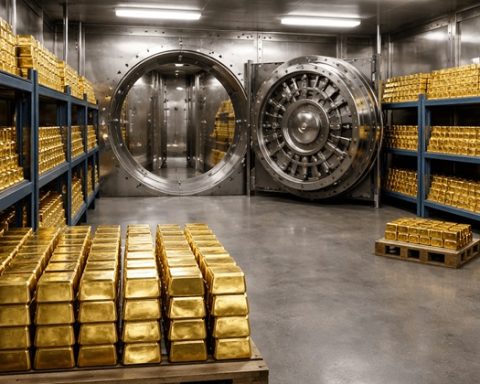
The West’s effort to establish a domestic rare earth magnets supply chain, heavily supported by the U.S., is hitting a critical obstacle: a shortage of heavy rare earth elements, according to multiple sources, including Reuters. MP Materials, the Nevada-based miner backed by billions in U.S. government support, aims to integrate the full supply chain from mining to magnet production, but its Mountain Pass mine in California contains only traces of dysprosium and terbium, two elements essential for magnets to retain their strength at high temperatures in applications like electric vehicle motors and defense technology.
MP Materials has boosted output of light rare earths by 51% this quarter and signed a $500 million deal to recycle heavy rare earths from Apple devices, but analysts say the scarcity of heavies could undermine Western ambitions to reduce dependence on China. According to consultancy Benchmark Mineral Intelligence, the West will still rely on China for 91% of its heavy rare earths needs by 2030, down only slightly from 99% in 2024. Chinese export restrictions imposed in April briefly disrupted auto production and forced Western companies to accelerate domestic supply chain plans, though Beijing agreed in October to delay new controls under a U.S.-China deal.
The proportion of heavy rare earths in global deposits is far smaller than in permanent magnets, and prices highlight the scarcity: dysprosium oxide sells for $900 per kilogram in Rotterdam, more than triple the $255 per kilogram in China, according to Fastmarkets. Other Western producers, such as Germany’s Vacuumschmelze (VAC), have been securing heavy rare earths from Canada and Brazil to supply new production facilities, including VAC’s recently opened plant in South Carolina. Analysts warn that global magnet production outside China and Japan will need 1,650 tons of dysprosium oxide per year by 2030, and current Western mining capacity will meet only 29% of heavy rare earth demand in the auto and wind sectors by 2035, according to London-based consultancy CRU.
Companies including Lynas Rare Earths and Iluka Resources are developing processing capabilities for heavy rare earths, but most projects will take years to come online. Lynas, based in Australia, began heavy rare earth separation in Malaysia and plans to expand output to 250 metric tons of dysprosium and 50 tons of terbium annually, while Iluka is constructing a refinery in Western Australia expected to process 750 tons per year by 2027. Despite stockpiles and upcoming separation facilities, MP Materials’ deposit contains less than 1.8% medium and heavy rare earths, limiting immediate output.
Environmental concerns also present a bottleneck, as heavy rare earth extraction, especially from ionic clay deposits, involves chemical processes that can contaminate water and damage ecosystems. Rare earth ores often contain radioactive elements like uranium and thorium, complicating safe disposal. Analysts warn that while some magnets can be produced without heavy rare earths, their applications are limited, and high-performance uses, such as fast-spinning electric vehicle motors, still require dysprosium and terbium.