As companies sketch out plans for 2026, one message is becoming clear: they don’t intend to hire. According to reporting by the Wall Street Journal, large employers are preparing to hold their workforces steady or even shrink them, betting that technology and caution are better investments than expanding payrolls.
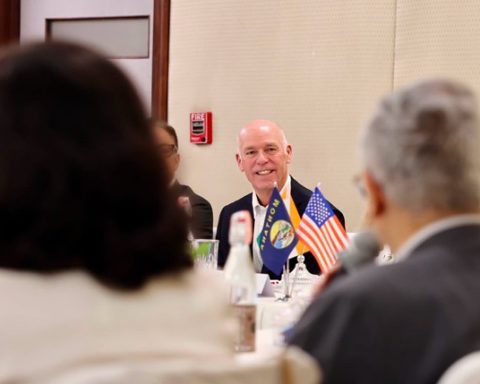
At a recent gathering of chief executives in Midtown Manhattan organized by Yale School of Management, 66% of leaders surveyed said they planned either to cut jobs or keep staff levels unchanged next year. Only about a third expected to add workers. Executives and economists say uncertainty about the economy and the rapid advance of artificial intelligence are encouraging companies to delay hiring decisions and focus on efficiency instead.
The hiring slowdown has been building for months. The U.S. unemployment rate rose to 4.6% in November, its highest level in four years. While healthcare and education continued to add jobs, white-collar hiring has weakened sharply. Companies including Amazon, Verizon, Target and UPS have cut professional roles, contributing to growing anxiety among workers.
Many executives told the Journal that AI is a central factor behind their caution. Businesses believe new tools can absorb tasks once handled by employees, reducing the need to expand teams. Others are still correcting for what they see as overhiring during the pandemic boom. Federal Reserve governor Christopher Waller said companies are close to zero job growth and described widespread hesitation among CEOs who are waiting to see which roles AI might replace.
That hesitation is shaping employee behavior as well. At IBM, voluntary attrition in the U.S. has fallen below 2%, far lower than its usual level, as workers cling to their jobs amid uncertainty. Fewer people quitting means fewer openings to fill, reinforcing the hiring freeze. Executives at Shopify have echoed the same stance, saying they see no need to increase head count after holding it steady for more than two years.
Banks are also bracing for leaner staffing. Wells Fargo chief executive Charlie Scharf said the lender expects to have fewer employees heading into next year, continuing a multiyear reduction that has already cut tens of thousands of jobs. Scharf told the Wall Street Journal that AI’s impact on staffing could be “extremely significant,” even if it unfolds gradually, and acknowledged that many executives are reluctant to speak openly about the potential for long-term job losses.
Economists at Indeed expect little relief in the near term. Based on job openings and growth forecasts, they predict the unemployment rate will remain around 4.6% through 2026. Hiring remains weakest in high-paying white-collar fields such as software development, data analytics, marketing and entertainment, while healthcare and construction show more resilience.
Despite the gloomy tone, some economists say the standoff may not last forever. If economic growth continues, employers could eventually be forced to hire to meet demand. For now, however, the dominant mood described in the Journal is one of caution, with executives and employees alike uneasy about what AI and a slowing labor market mean for the future of work.