A common human gut bacterium can produce a molecule that lowers cholesterol and reduces the build-up of arterial plaque, according to a study published in Nature. Experiments in mice found that Bacteroides uniformis and the molecule it produces, pentadecanoic acid, can influence cholesterol production and inflammation associated with atherosclerosis.
The findings provide evidence that the gut microbiome may play a direct role in vascular health rather than merely being associated with cardiovascular disease. Wenjing Zhao, a microbiologist at Sun Yat-sen University in Shenzhen, China, said the results point to new ways of using gut microorganisms to protect the heart. Ben Chen, a cardiovascular specialist at Monash Victorian Heart Institute in Melbourne, described the study as evidence of a “potentially causal biological mechanism”.
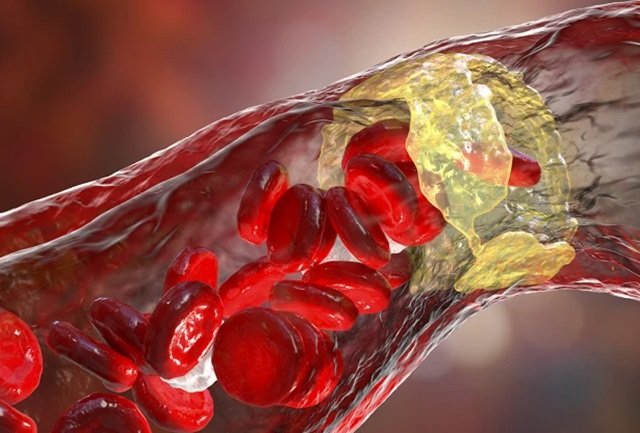
Atherosclerosis, in which inflammatory plaques progressively accumulate in artery walls, remains the leading cause of death globally. Statins have reduced deaths from cardiovascular disease, but daily treatment does not reduce cholesterol sufficiently in nearly half of people with advanced heart disease, while some patients cannot tolerate high doses.
Zhao and her colleagues began by comparing gut microorganisms in stool samples from people with and without cardiovascular disease. B. uniformis stood out because it was often found at lower levels in people with heart disease than in healthy individuals.
The researchers then used genetically engineered mice that develop atherosclerosis and fed them a high-fat diet. Animals given live B. uniformis developed substantially less arterial plaque than untreated mice. The bacterial treatment reduced plaque in the main arteries by about one-third, while also lowering total cholesterol and low-density lipoprotein, or LDL, often referred to as “bad cholesterol”. It also reduced the accumulation of inflammatory immune cells in the arterial walls.
The researchers identified pentadecanoic acid as the molecule responsible for the protective effect. Further analysis showed that it inhibits a liver enzyme involved in cholesterol production that is also targeted by statin drugs. Blocking the enzyme causes the liver to produce more LDL receptors, which remove excess cholesterol from the bloodstream.
The researchers also examined blood and stool samples from more than 200 human donors. Individuals with abnormally high concentrations of fatty substances such as cholesterol had lower levels of pentadecanoic acid than healthy participants. People with heart disease also had fewer bacterial genes associated with production of the molecule.
The findings build on earlier research suggesting that pentadecanoic acid could have cardiovascular effects. A small clinical trial found that giving the molecule to people with metabolic liver disease reduced their LDL levels. However, other analyses have found no clear evidence that pentadecanoic acid protects against heart disease.
That uncertainty is particularly important because pentadecanoic acid is increasingly being marketed as a heart-health supplement. Chen said clinical evidence supporting such a cardiovascular benefit remains limited.
Researchers also cautioned against treating the mouse findings as evidence of an established human therapy. Chen noted that standard mouse models do not fully reproduce human coronary artery disease, including the arterial lesions that commonly cause heart attacks. The animals in the study also received bacterial doses far greater than what humans could obtain through food or supplements.
Kazuyuki Kasahara, a microbiome specialist at Nanyang Technological University in Singapore, described the research as a compelling proof of concept but said larger human studies are needed. “This beautiful paper is a very beautiful story, but in our gut ecosystem, things are more complicated,” he said.