The European Union and Indonesia have signed a free trade agreement and an investment protection agreement, concluding nearly a decade of negotiations as Brussels seeks to diversify its international trading relationships, secure access to strategic raw materials and reduce exposure to US tariff measures. The agreements are expected to enter into force in early 2027, subject to the remaining approval procedures.
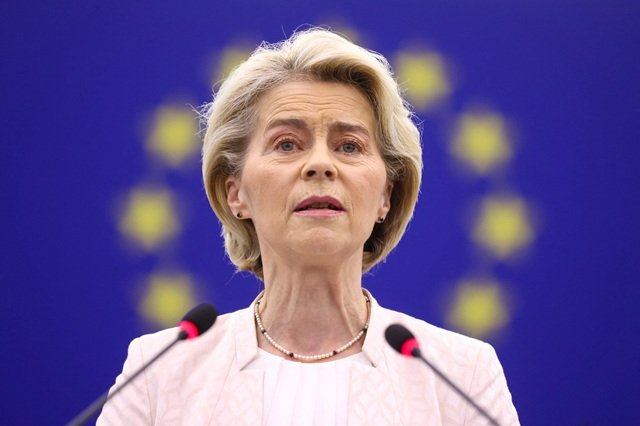
European Commission President Ursula von der Leyen described the deal as one of the most ambitious trade agreements the EU has concluded in Asia. The partnership is intended to expand commercial opportunities between the two economies while strengthening trade links at a time when US President Donald Trump’s tariffs have increased pressure on the EU to broaden its international economic partnerships.
Under the free trade agreement, the two sides are expected to eliminate tariffs on up to 98.5 per cent of their traded goods categories once the arrangement is fully implemented. One of the significant provisions concerns Indonesia’s automotive market, where import duties on vehicles from the EU, currently reaching as high as 50 per cent, are scheduled to be abolished within five years.
European exporters are expected to save an estimated €600 million annually through the removal of tariffs. The agreement will also provide protection for 221 European geographical indications, safeguarding recognised regional product designations in the Indonesian market.
Access to critical raw materials is another central component of the agreement. Indonesia is among the world’s leading producers of nickel and cobalt, minerals essential to battery manufacturing. The EU expects the partnership to improve access to these resources, strengthen the reliability of supply chains and reduce trade restrictions affecting the movement of raw materials.
To address these concerns, the agreement includes provisions prohibiting export monopolies on raw materials and establishing rules against discriminatory pricing. These measures are intended to create more predictable trading conditions and improve the framework governing access to strategically important resources.
Indonesia, Southeast Asia’s largest economy, is already an important destination for European agricultural and food products. The EU currently exports goods from these sectors worth approximately €1 billion annually to the country. The new agreement is expected to provide further opportunities for European businesses while expanding Indonesia’s access to the European market.
Although negotiations were concluded in September 2025, the agreements have yet to complete the procedures required for their full implementation. Approval by the European Parliament remains necessary before the free trade agreement can formally enter into force.
In the interim, the arrangement is expected to be applied provisionally, allowing elements of the agreement to take effect before the completion of the final approval process. Full implementation is anticipated in early 2027.
The agreement marks a significant expansion of the EU’s economic engagement with Southeast Asia, combining tariff reductions, investment protections and provisions on critical raw materials in a partnership designed to strengthen trade diversification and supply-chain security.
Word count: 430 (excluding headline and subheading).