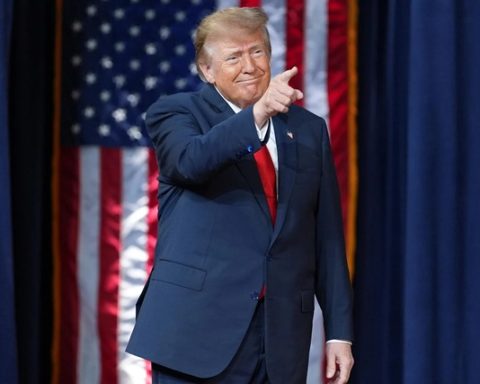
Britain has secured agreements from Namibia, Angola and the Democratic Republic of Congo to accept the rapid return of illegal migrants and foreign criminals after threatening visa sanctions, marking a significant escalation in the UK’s immigration enforcement strategy. The move follows warnings from Home Secretary Shabana Mahmood that countries refusing to take back their citizens would face penalties similar to those used by the United States under former president Donald Trump.
More than 3,000 people originally from the three African nations are now set to have their deportations fast-tracked. Mahmood had given the governments a month to co-operate or face a sliding scale of sanctions, culminating in a ban on visas for their citizens. Namibia and Angola agreed almost immediately, while the DRC only consented after Britain stripped preferential visa treatment from its political elites and revoked fast-track visa processing for all Congolese nationals.
According to reporting cited by Times UK, a charter flight returned the first group of migrants to Namibia last month, with the first removals flight to Angola scheduled for later this month. UK officials are also planning a flight to the DRC, hoping to begin returns there next month. Mahmood said the outcome demonstrated that the threat of sanctions was an effective tool in forcing reluctant governments to co-operate.
Home Office figures show removals from the UK are at their highest level in nearly a decade. Last year, 38,078 people with no legal right to remain were removed either forcibly or voluntarily, the highest total since 2016. Since Labour entered government in 2024, officials say 58,500 illegal migrants and foreign criminals have been removed, including 15,200 forced deportations and around 43,000 voluntary departures.
Despite the increase, deportations of small boat migrants remain low. In the year to September, only 2,272 people, about 5 per cent of the 45,659 migrants who arrived by small boats, were deported. The overall number of removals was also eclipsed by the roughly 65,000 migrants who crossed the Channel in the same period, highlighting the scale of the challenge facing the government.
Mahmood said the policy was about restoring control over Britain’s borders, warning that any country refusing to accept returning citizens would face consequences. She confirmed that other states, including India, Pakistan, Nigeria, Bangladesh, Somalia and Gabon, could be threatened with similar sanctions this year, though officials acknowledge that targeting major Commonwealth countries could trigger serious diplomatic disputes.
The Conservatives accused Labour of misleading the public by including voluntary returns in deportation statistics. Shadow home secretary Chris Philp said the government was removing only a tiny fraction of small boat arrivals, arguing that inflated figures masked a failure to stop irregular migration.
The tougher approach has also revived debate over human rights law. Alain Berset, head of the Council of Europe body overseeing the European Convention on Human Rights, warned that attempts to reform the treaty to ease deportations could set a dangerous precedent. He cautioned that weakening protections in the name of migration control could open the door for other governments to roll back fundamental rights, as the UK and 26 other states push for changes ahead of a summit this summer.