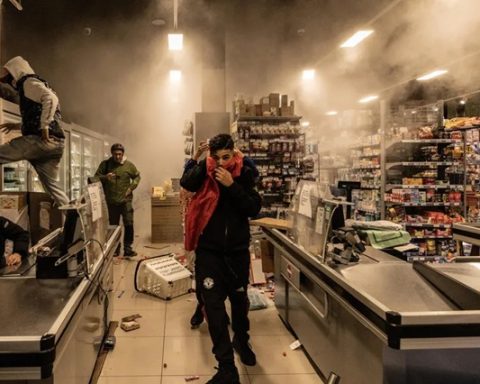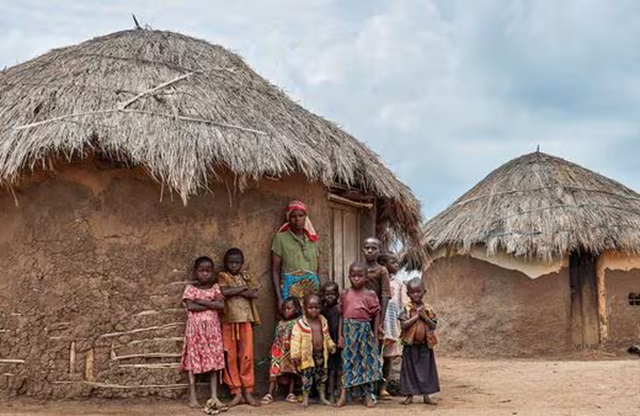
In Goma and surrounding areas, ten million people are now struggling to find basic food supplies, not because food is unavailable, but because the M23 insurgents have restricted access. Over the past year, the Rwandan-backed group seized key cities, including Goma and Bukavu, and imposed strict control over transport, markets, and imports. Residents report empty supermarket shelves, skyrocketing prices for meat, milk, grains, and vegetables, and limited access to foreign aid. Local mother Noella Amisi described crisscrossing the city for hours with $30 in mobile money and finding nothing to buy for her children.
The humanitarian impact is severe. The United Nations warns that three million people in eastern Congo could slide into a full-scale food emergency by June. Farmers have been driven from their fields, with crops left to rot at rebel checkpoints, while M23 allows imports only from Rwanda or via channels cleared by Rwandan authorities. Supermarket owners report massive losses as imported perishables spoil while being held at borders, and many residents are forced to sell personal belongings just to afford meager rations.
Analysts and aid groups describe the situation as a deliberate strategy to consolidate rebel and Rwandan influence in the mineral-rich region. According to the International Crisis Group, M23 is using “brutal tax collection and tight controls over food trade and property ownership” to dominate the local economy. Observers liken the crisis to past famines fueled by conflict, including Ethiopia in 1985, where insurgencies destroyed food security, and the ongoing conflict in Sudan.
The central bank’s suspension of financial operations in rebel-held areas has worsened the crisis. M23 struggles to fund its own fighters and relies heavily on Rwandan support, which in turn secures market monopolies for Rwandan goods. Meanwhile, violence continues to uproot communities: U.N. investigators report M23 attacks on farmers, including one incident in Rutshuru District that killed 300, causing tens of thousands to flee to Uganda. Relief efforts have been further hampered by the closure of Goma’s international airport.
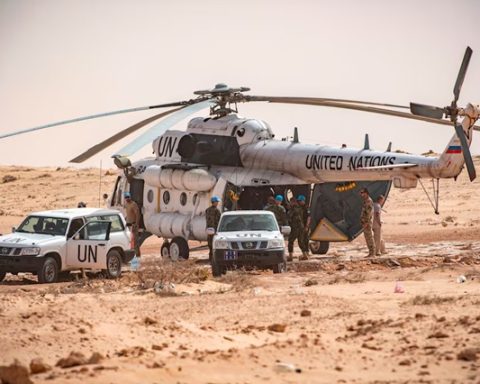
Humanitarian organizations stress the urgent need for international support. Action Against Hunger highlights that insecurity prevents access to productive land and restricts aid delivery, while the U.N. requires $350 million to sustain operations over the next six months and has so far secured less than 20% of the target. With markets controlled, crops seized, and aid delayed, eastern Congo faces a worsening hunger crisis with millions at risk of starvation.