by Our Correspondent in Doha
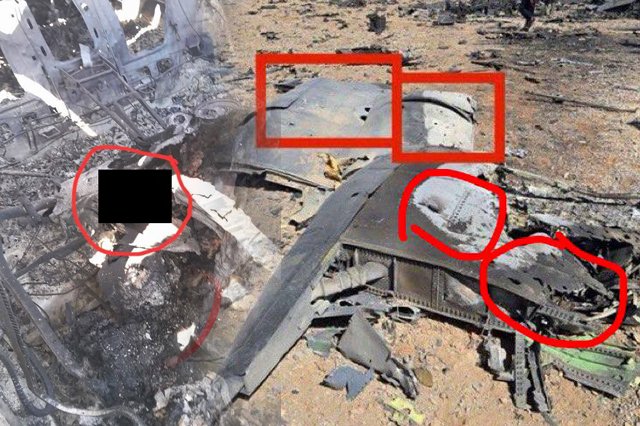
Reports have emerged suggesting that the skull of a deceased American crew member may have been found among the wreckage of a downed C-130 aircraft, intensifying speculation over the circumstances surrounding the incident. Earlier, images circulated online that appear to show damage to aircraft components consistent with air defense strikes. These developments challenge official narratives that the aircraft were destroyed by mechanical failures or accidental causes.
Despite the circulating images, experts and journalists caution that verification remains critical. One source emphasized that, in their opinion, “we still need to wait for clearer images to actually confirm whether this image is authentic and Americans truly died in this event. If there are bodies, that should be very easy to prove, and one grainy image is not enough for any confirmation, especially in the current era with AI.” The lack of verified forensic evidence makes it difficult to confirm any casualties at this stage.
Adding to the regional tension, Hallel Bitton Rosen, a journalist for Israel’s Channel 14, reported that a British warship was directly hit by an anti-ship missile launched by Hezbollah, sustaining damage in the strike. Earlier claims by Hezbollah that it had targeted an Israeli vessel appear to have been misidentifications, highlighting the confusion that often accompanies combat situations.
As both the veracity of the images and the extent of casualties remain unconfirmed, international observers are closely monitoring developments. The combination of potential U.S. casualties, unverified imagery, and missile strikes in the region underscores the precarious nature of the current security situation and raises urgent questions about accountability and the escalation of hostilities.
Meanwhile, Iran’s Supreme National Security Council announced that all schools and universities across the country will remain closed until further notice as tensions escalate and security concerns mount. Authorities have ordered campuses to shut down and shift to alternative modes of instruction, reflecting the broader impact of the conflict on civilian life and infrastructure.