More than 30 tonnes of cocaine have been destroyed after authorities completed the disposal of the largest cocaine seizure recorded in Spain’s history. The shipment, seized on 1 May by the Central Operative Unit (UCO) of Spain’s Guardia Civil aboard the merchant vessel Arconian, was incinerated over a period of 51 hours and 40 minutes in an industrial furnace under strict security measures.
The destruction process began with workers opening the bales containing the drugs. Wearing masks and gloves, operators removed the brick-shaped cocaine packages, each weighing around one kilogram, and placed them onto a conveyor belt. Throughout the operation, they were monitored by armed officers from the Guardia Civil’s Reserve and Security Groups (GRS), who remained inside the facility during the procedure.
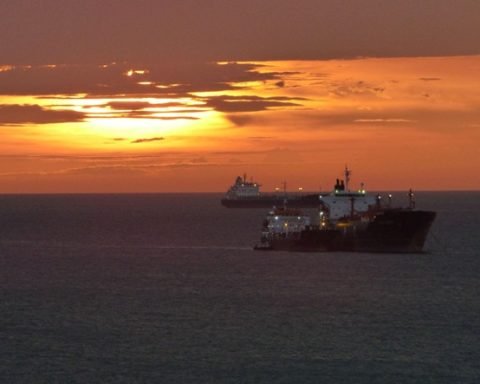
The shipment contained 30,215.84 kilograms of cocaine and was judicially valued at €812 million. The drugs had been intercepted by the Guardia Civil on 1 May aboard the Arconian in the Atlantic Ocean, off the coast of Western Sahara. Following the seizure, authorities launched a major security operation to safeguard, transport and ultimately destroy the cargo.
The merchant vessel arrived at the port of Las Palmas on 3 May, two days after the UCO operation. The cocaine bales remained on the island until 19 May, when they were loaded onto the Guardia Civil’s largest vessel, the Duque de Ahumada, for transport to a port in southern Spain. The shipment arrived two days later and was then stored in security facilities operated by the force across two autonomous communities.
During this period, the cocaine remained inside two large trucks with sealed cargo compartments to prevent any interference. The final transfer to the company responsible for the incineration was carried out under an extensive security operation involving Guardia Civil vehicles, helicopter surveillance and drone monitoring.
The official from the Centre for Intelligence Against Terrorism and Organised Crime (CITCO) who coordinated the operation said that, although an attempted attack on such convoys was considered highly unlikely, every security measure was maintained throughout the transportation process.
At the industrial facility, the cocaine packages were crushed and mixed with Combustible Derived from Waste (CDR), a material made from non-hazardous urban, commercial and industrial waste. A sludge was also added to the mixture before it entered the furnace to help regulate combustion temperatures.
An engineer from the company overseeing the process explained that cocaine burns rapidly because of its composition and can generate dangerously high temperatures during incineration. To prevent damage to the equipment, each tonne of cocaine was mixed with two additional tonnes of CDR. Although the system was capable of destroying around three tonnes of the mixture per hour, the process was slowed at certain points to protect the machinery, extending the operation beyond the initial estimate.
The destruction was completed at 12:40 p.m. on Thursday, when the remaining ashes were removed for later transport to a landfill site. Only after this stage was completed did officials responsible for the operation issue the formal destruction record.
The only remaining samples from the shipment are 29 one-kilogram packages selected at random for potential counter-analysis before the trial involving the 23 occupants of the Arconian who were arrested following the seizure. Meanwhile, two additional drug shipments weighing 10 tonnes each remain in police storage awaiting destruction in the same industrial furnace.