For mothers unable to breastfeed, Brazil has developed one of the world’s most extensive support systems, transforming donated breast milk into a vital resource for vulnerable babies, particularly premature infants. The country’s milk bank network, now regarded as one of the most advanced in the world, combines medical safety standards with practical solutions designed to make donation and distribution widely accessible.
The foundation of Brazil’s modern milk bank system was laid in the 1980s, when João Aprígio Guerra de Almeida, a young chemist, worked with public health officials to redesign how milk banks operated. Traditional systems had often been expensive and difficult to expand, limiting access for many families. Almeida introduced cheaper and more adaptable methods, including repurposing hot water baths from the food industry that cost a fraction of conventional pasteurisation equipment and sterilising reusable coffee and mayonnaise jars to serve as milk containers.
The approach reflected what Brazilian culture describes as “jeitinho” — creative problem-solving using available resources. Photographer Kristin Bethge, who documented Brazil’s milk banks alongside journalist Niklas Franzen, said this practical innovation was central to the system’s development.
According to reporting by New Scientist, Brazil’s milk bank network is now frequently cited as one of the world’s most successful examples of providing safe, affordable breast milk. The country operates more than 200 milk banks, the largest number worldwide, supporting hundreds of thousands of babies.
The system has also been linked to major improvements in child health. Brazil recorded a decline of more than 70 per cent in mortality among children under five between 1990 and 2015, a reduction that has been attributed partly to improvements in public health programmes, including the expansion of milk banks.
A key factor behind the network’s effectiveness is its ability to remove practical barriers for donors. Women can donate milk knowing that transportation is available through a network of courier drivers who collect donations directly from homes and deliver them to processing centres.
Bethge said some donors told her they would not have been able to contribute without the collection service. The courier system, she noted, is one element that could potentially benefit other countries seeking to expand access to donated breast milk.
Brazil’s milk banks operate as more than collection points. They function as comprehensive support centres for new mothers, handling the collection, testing, sterilisation, storage and distribution of breast milk while also providing guidance and assistance to women experiencing difficulties with breastfeeding.
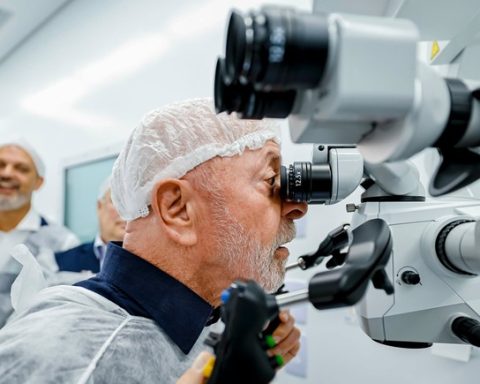
At facilities such as the Fernandes Figueira Institute in Rio de Janeiro, donated milk undergoes strict quality checks. Samples are first inspected for visible contamination, including particles such as hair or dust. The milk is then warmed and processed before undergoing further testing to ensure it meets safety requirements.
The final stage involves pasteurisation at 62.5 degrees Celsius for 30 minutes, a process designed to eliminate harmful bacteria while preserving the nutritional benefits of breast milk.
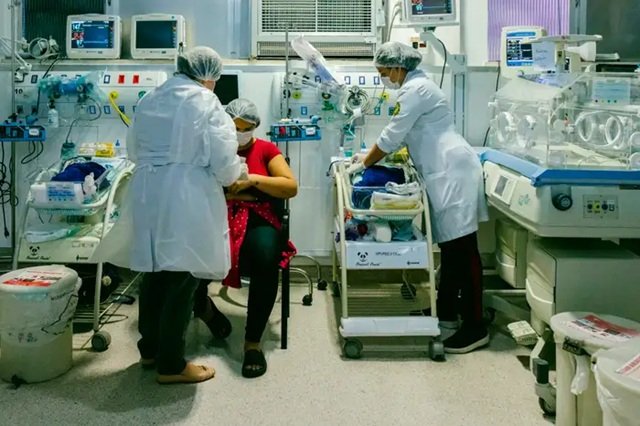
The milk is then supplied to babies who need it most, especially those born prematurely or requiring specialised hospital care. Nurses also support mothers in expressing milk for their own babies, helping families maintain breastfeeding even during difficult medical circumstances.
Bethge described the system as a complete cycle connecting donors, healthcare workers and infants receiving life-saving nutrition. From the mother providing milk to the premature baby receiving it, Brazil’s network has created a public health model built around cooperation, accessibility and careful medical oversight.
As countries continue to search for ways to improve infant health outcomes, Brazil’s experience demonstrates how innovative approaches and community-based systems can expand access to essential care on a national scale.