Africa attracted about $70 billion in foreign direct investment in 2025, marking the continent’s third-highest annual level since 1990 despite a decline from the exceptional inflows recorded the previous year. The latest figures show continued investor interest in key sectors shaping the global economy, while also highlighting the uneven distribution of capital across countries and industries.
According to the World Investment Report 2026 by UN Trade and Development (UNCTAD), foreign direct investment flows into Africa fell from $94 billion in 2024 to approximately $70 billion in 2025. The sharp increase in 2024 was influenced by a small number of major transactions, making comparisons difficult. Even with the decline, investment in 2025 remained around one-third above Africa’s long-term average, reflecting continued engagement from international investors.
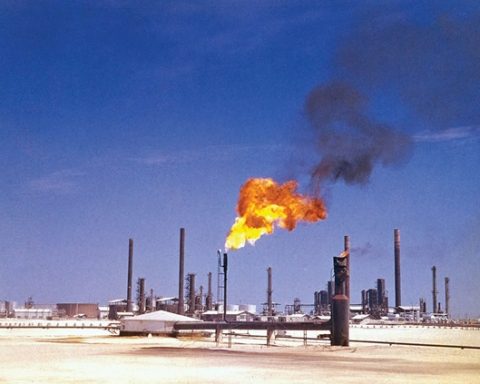
The changing investment landscape suggests that Africa’s importance is increasingly linked not only to the volume of capital entering the continent, but also to the sectors attracting that investment. Energy, infrastructure, critical minerals and industrial development have become central areas of focus as companies and governments seek to secure future supply chains and respond to shifts in the global economy.
Egypt remained Africa’s largest recipient of foreign direct investment in 2025, attracting about $15 billion. The country’s performance helped North Africa maintain its position as the continent’s largest recipient subregion, despite a significant decline from the exceptional level recorded in 2024.
Beyond headline investment figures, the structure of new commitments provides a broader picture of investor activity. While the value of greenfield projects fell by almost one-third in 2025, the number of announced projects increased. The shift points to wider engagement through smaller-scale projects and suggests that companies continue to identify opportunities despite geopolitical tensions, trade policy uncertainty and a more selective global investment environment.
Greenfield projects are closely watched because they often indicate where businesses plan to establish new operations, production facilities and infrastructure over the longer term. Large transactions can create major fluctuations in annual investment totals, while project announcements can provide insight into future investment direction.
Across Africa, energy, minerals and infrastructure remain among the sectors attracting the greatest attention. African least developed countries received about $33 billion in foreign direct investment, although flows were concentrated in a small number of economies connected to natural resources, energy, infrastructure and selected manufacturing activities.
Investor interest in these areas reflects several global trends. Growing demand for energy infrastructure, competition for critical minerals needed for batteries and advanced manufacturing, and efforts to diversify supply chains are reshaping investment priorities worldwide.
Africa’s mineral resources place many economies at the centre of these developments. Copper, cobalt, lithium, manganese, graphite and rare earth minerals are increasingly important to industries linked to renewable energy technologies, battery production and advanced manufacturing. As countries seek to secure access to these resources, parts of the continent are attracting greater attention from international investors.
Investment from Gulf countries and other Asian economies is also becoming increasingly significant, particularly in greenfield projects linked to energy, logistics, real estate and infrastructure. These investors are contributing to a changing pattern of capital flows as Africa becomes more connected to emerging investment networks.
Several economies have continued to attract projects associated with industrial development and strategic sectors. Egypt, Morocco and South Africa have drawn investment linked to areas including logistics, renewable energy, hydrogen production and manufacturing. Namibia and other resource-rich economies are gaining attention as demand grows for minerals used in batteries, renewable energy systems and advanced industrial applications.
However, investment opportunities remain unevenly distributed. A relatively small number of countries and sectors continue to capture a large share of incoming capital, while many economies have limited participation in the industries receiving the greatest investment.
For African economies, attracting investment into energy and resource projects represents only the beginning of the development challenge. The wider objective is to capture more value from these investments through processing, manufacturing, services and stronger regional supply chains.
Achieving those outcomes requires supporting conditions that allow investment projects to connect with local economies. These include reliable infrastructure, workforce skills, industrial capabilities, supplier networks and policies that encourage greater economic participation. Without these links, investment in natural resources and energy projects may increase financial inflows without generating broader domestic benefits.
UNCTAD highlights the importance of measures such as stronger project preparation, risk-sharing mechanisms, reliable electricity and transport systems, supplier development, local processing where commercially viable and regional corridors that connect smaller markets to larger production networks.
As global competition for strategic industries grows, Africa’s investment prospects will depend not only on attracting capital but also on how effectively countries use that investment to support jobs, technology transfer, industrial upgrading and economic diversification.
The continent’s $70 billion investment inflow in 2025 reflects continued global interest in Africa’s resources, markets and strategic position. The next stage will be shaped by how countries transform that interest into broader economic opportunities across their economies.