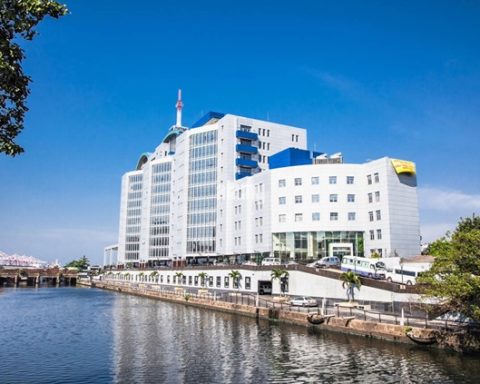
When Indian and Chinese troops confronted each other at Doklam in 2017, the consequences extended far beyond the disputed Himalayan territory. More than 2,000 kilometres away in Mumbai, the confrontation prompted China’s Industrial and Commercial Bank of China, or ICBC, to suspend the disbursement of 11 approved loans and bond investments worth $185 million, according to internal bank documents reviewed by The Indian Express.
The documents also show that ICBC’s Mumbai branch organised Chinese Communist Party members across its departments to remain at their posts and maintain communication with China’s embassy and consulate during the 73-day standoff. The disclosures form part of China Capital, a global investigation led by the International Consortium of Investigative Journalists, or ICIJ.
The investigation draws on a dataset of 4.8 million documents from ICBC’s London branch, including internal reports marked “trade secrets”, confidential dossiers and records concerning more than 4,000 corporate clients. The material, dating from 2005 to 2024, was first obtained by the hacking group Hunters International before being leaked to the ICIJ.
The consortium shared the records with 24 media partners, including The Indian Express, The Times of London and Der Spiegel in Germany. The investigation involved 75 journalists from 24 countries. ICBC did not respond to questionnaires from The Indian Express and ICIJ detailing the findings and seeking its response.
At the centre of the disclosures is a 178-page ICBC work summary dated January 2018, covering the performance of 42 overseas branches. Marked “confidential” and “not for external distribution”, the report described the Mumbai branch as facing “internal and external challenges” because of the India-China border impasse while maintaining “normal operations”.
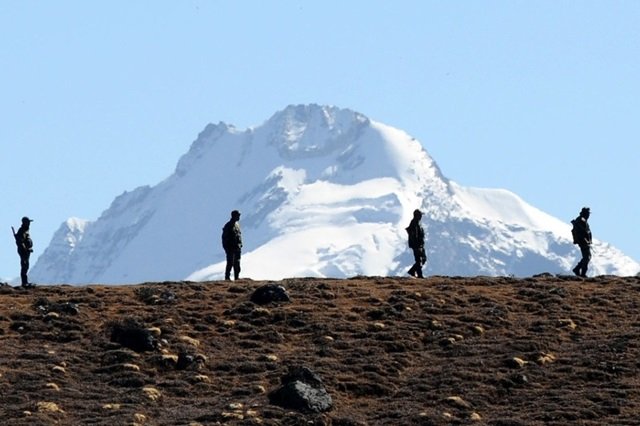
Doklam lies at the tri-junction of India, Bhutan and China. The 2017 dispute began after People’s Liberation Army troops occupied territory disputed with Bhutan and China attempted to construct a road there in June. Indian troops responded, with injuries reported on both sides. The confrontation ended in August after diplomatic parleys, when both sides disengaged.
For ICBC’s Mumbai operation, however, the consequences were financial as well as organisational. The branch’s internal report said it achieved only 57.7 per cent of the target set by its Beijing headquarters, citing the border situation as a primary reason.
The report stated that during the period of border crossings, the branch “proactively reduced its exposure to loan and investment risks” and suspended 11 approved but undisbursed loans and bond investments totalling $185 million. According to the document, the decision affected operating revenue by approximately $6.36 million.
The same report describes measures taken to maintain the branch’s operations during what it called the “tense period of the border standoff”. It said Party members across departments were organised to remain at their posts while maintaining communication with the Chinese embassy and consulate. The branch also reported contingency plans to relevant departments at ICBC headquarters, reduced credit and investment exposures and sought to minimise the impact of the crisis.
The bank’s response went beyond financial risk management. According to the work summary, the Mumbai branch organised CEO tea sessions, one-on-one discussions with local employees and social activities designed to address concerns among local colleagues during the crisis. The measures were described as part of efforts to promote a culture of “transparency, communication and trust”.
The records place these activities within a wider relationship between ICBC and the Chinese Communist Party. Like other major Chinese financial institutions, ICBC has a Party Committee. Bank meeting agendas from 2024 contained assignments involving special duties from the Party Committee and coordination with the Party Commission’s ombudsman.
A 2022 report presented by ICBC’s General Manager for international operations also described ensuring learning and awareness-raising activities in accordance with the Party’s “20 pillars” as a “major responsibility” for the bank.
The China Capital records further indicate that ICBC managers in London considered not only the commercial value of prospective deals but also whether borrowers or clients could advance Beijing’s economic agenda. The documents reference initiatives including Going Global, intended to help Chinese companies enter foreign markets, and the Belt and Road Initiative, the infrastructure programme spearheaded by President Xi Jinping, which India did not join.
The disclosures from Mumbai therefore provide a detailed example of how a geopolitical crisis was reflected inside a major Chinese financial institution. During the 2017 Doklam confrontation, ICBC’s only Indian branch suspended $185 million in approved lending and investment and mobilised Party members to maintain communication with Chinese diplomatic missions.
The documents do not describe an independent assessment of the relationship between ICBC and the Chinese state; rather, they record the bank’s own internal account of its response. But they offer a rare view into how the border confrontation reached a commercial institution thousands of kilometres from Doklam, affecting lending decisions, revenue targets, contingency planning and the organisation of personnel at China’s largest commercial bank by asset size.