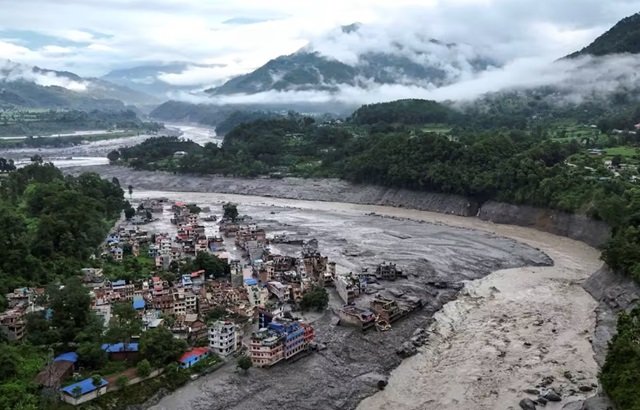
Climate change is causing losses that extend beyond homes, crops, income and physical infrastructure, with communities experiencing damage to mental health, cultural identity, social cohesion and ways of life that are difficult to capture through conventional economic measures, according to an analysis published by Nature.
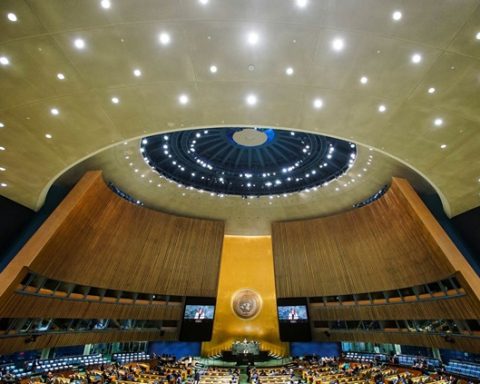
The issue is becoming increasingly significant as governments prepare for the 31st United Nations Climate Change Conference, or COP31, in Antalya, Turkey, in November. Discussions are also taking place during Climate Week NYC 2026 in New York this week, as policymakers and researchers consider how climate-related loss and damage should be measured and addressed.
Experiences among coastal communities in Kenya illustrate the wider problem. Concerns initially centred on declining fish catches, disrupted marine ecosystems and shrinking livelihoods, but discussions also revealed anxiety, increased substance use among unemployed young men and rises in gender-based violence, sex tourism and adolescent pregnancies as poverty intensified. Communities were also concerned about the loss of traditions connected to the sea, including knowledge passed between generations, community rituals and identities rooted in fishing livelihoods.
The Nature analysis argues that such losses cannot be understood solely through financial indicators. Climate-related disruption can affect people’s sense of belonging and their relationships with places that have shaped families for generations. People may experience grief over disappearing environments, anxiety about an uncertain future and exhaustion caused by repeated crises.
Mental health is increasingly recognised within climate policy, but the response has generally focused on adaptation and helping people cope with continuing environmental changes. Measures can include preparedness, psychological first aid, resilience programmes and stronger health systems. Such investments are described as essential, but they do not address the full consequences when communities can no longer maintain established ways of life.
The effects are also visible among female salt workers in Gujarat, India, where members of a grassroots trade union face working conditions in which temperatures can exceed 50°C. The combination of extreme heat, physical hardship, economic insecurity and continuing exposure to difficult conditions can contribute to chronic stress as well as physical health problems.
The United Nations framework for climate loss and damage provides one avenue for recognising harms that are not purely economic. The analysis argues that mental health should be treated as a legitimate component of climate-related loss and damage, with governments investing in it, measuring its effects and incorporating it into institutional responses.
There are already economic methods for estimating the consequences of conditions such as depression, anxiety, suicide and psychological distress, while economists have also developed approaches for assessing the value of ecosystems, biodiversity and human well-being. But reducing psychological and cultural losses entirely to monetary terms has limitations because their significance is tied to relationships, identities, histories and places.
The analysis calls for climate policy to use broader measures of value, including indicators covering well-being, social connection, cultural continuity and psychological recovery. It argues that climate-loss funding should support community healing, social rebuilding and cultural restoration alongside clinical services, infrastructure and physical reconstruction.
Countries already collect data on mental health, well-being, displacement, disaster impacts and social vulnerability. The challenge is to use those data when determining how climate losses are recognised and addressed. The analysis argues that future financing mechanisms should include psychosocial impacts in documentation and reporting, while funding should support long-term community well-being rather than focusing exclusively on rebuilding physical assets.