Student suicides in Japan reached a record 538 deaths in 2025, with school-related problems accounting for nearly half of identified motives, as doctors and survivors warn that the return to school after summer can intensify pressures on vulnerable young people.
The increase is particularly visible around the end of the summer holidays, a period long associated in Japan with the “September 1st problem”. The rise, however, extends across several weeks rather than a single day. Tokyo and other local governments designate September as a suicide prevention month, while national data show student suicides beginning to increase from around mid-August. In northern regions such as Hokkaido and Tohoku, where schools reopen earlier, increases can occur sooner.
Takashi Nagasawa, chief of child and adolescent psychiatry at Tokyo Metropolitan Children’s Medical Center, said returning to school can bring renewed exposure to bullying and interpersonal difficulties, while academic demands and anxiety about future educational and career choices can also intensify.
“We need to watch for an increase in suicides after summer vacation,” Nagasawa said. “With the major environmental shift of returning to school, interpersonal issues like bullying can resurface, while academic burdens and anxiety over future paths often intensify.”
Japan is the only Group of Seven country where suicide is the leading cause of death among people aged 10 to 19, according to the source. Police records show that school-related issues accounted for nearly half of identified motives for student suicides in 2025. In 88 cases, however, authorities recorded the underlying cause as “unknown”.
Nagasawa said the official suicide figures form part of a wider pattern of distress among children. School absenteeism, reported bullying and classroom violence have all reached historic highs even as Japan’s population of children continues to shrink. “At our hospital, we see so many children coming in with various emotional and behavioral struggles,” he said. “And what strikes me most on the front lines is that the rise in child suicide is, more than anything, the most critical issue we face.”
The pressures facing young people vary by age and gender and can include difficulties at school and home, loneliness, financial strain, social media and wider uncertainty, Nagasawa said. He also pointed to social expectations of conformity that can discourage children from acknowledging emotional difficulties. Japan ranks highly for physical health, with UNICEF placing it first among wealthy countries, but ranks 32nd out of 36 for mental well-being.
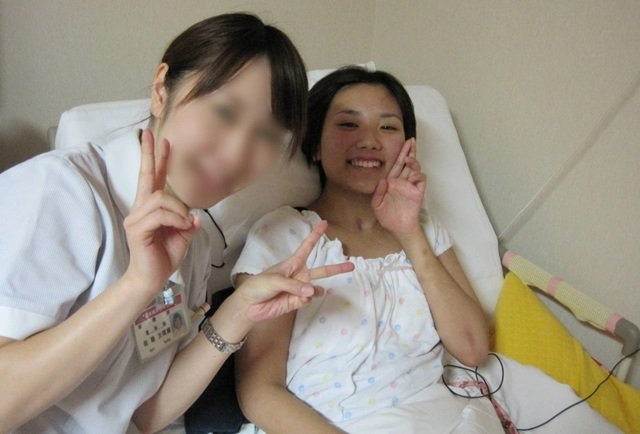
For former student Eri Mametsuka, now 33 and living independently as a poet in Beppu, the pressures were rooted in poverty, isolation and emotional abuse at home. At 16, during severe depression, she attempted suicide by jumping from a third-floor balcony after an argument with her mother over attending school. The fall left her paralysed from the chest down.
“I felt like I had no escape left,” Mametsuka recalled. “When I hit the ground, I stayed conscious, and my overwhelming feeling was just relief. I thought I wanted to die, but jumping was terrifying. Once it was over, I realized I was just glad to be alive.”
Mametsuka spent nine months in hospital and a further 18 months in physical rehabilitation. During her recovery, she encountered patients and caregivers from different backgrounds and began to see the academic and family pressures that had dominated her adolescence differently.
Japan also faces a shortage of paediatric psychiatrists, with some regions lacking adequate services and hospital waiting lists extending for months. Nagasawa said expanding medical capacity alone would not resolve the problem, because many distressed children struggle to seek help.
“For a struggling child, just saying the words ‘I’m in pain’ or ‘I need help’ is extraordinarily hard,” he said. Nagasawa urged adults to notice changes in sleep, appetite, school attendance, grades and friendships and to listen before immediately referring children for psychiatric treatment.
Mametsuka said young people also need to learn that they can reject expectations placed on them. “You don’t have to do everything people expect of you,” she said. “You don’t have to please everyone. You just have to stay alive.”