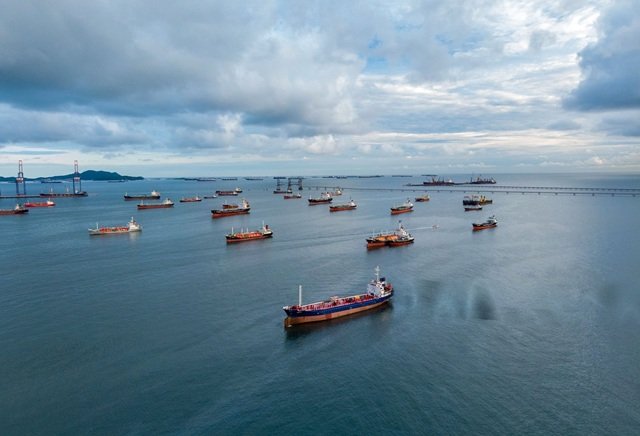
More than 80% of global merchandise trade travels by sea. Under normal conditions, the vast maritime network allows goods, energy and raw materials to move across continents with little public attention. But when conflict, political pressure or extreme weather disrupts a strategic passage, the consequences can spread rapidly through the world economy, raising energy prices, increasing transport costs and fuelling inflation.
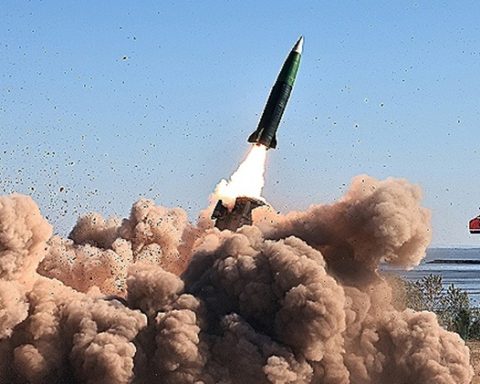
The unprecedented closure of the Strait of Hormuz has provided the starkest demonstration of this vulnerability. Before the conflict involving Iran, the narrow passage, barely more than 30 kilometres wide, carried around a fifth of the oil consumed worldwide. Its disruption has restricted energy exports from the Persian Gulf, driven up shipping costs and exposed how dependent the global economy remains on a small number of maritime routes.
The impact has reached far beyond the Middle East, including the United States, where rising petrol and diesel prices have added to the economic consequences of the conflict. Freight costs alone have contributed more than $30 to the price of a barrel of crude oil, around ten times their pre-war contribution. The crisis has also demonstrated that the consequences of a maritime disruption do not end when alternative supplies become available: the ships needed to transport them may be unavailable, trapped or forced to undertake much longer journeys.
The Strait of Hormuz is the most dramatic example of what maritime specialists call a chokepoint — a narrow passage through which a substantial share of international trade must pass. Such routes are strategically important not simply because of the volume of goods they carry, but because their disruption can give governments and armed groups considerable leverage over international markets.
The danger is not confined to outright blockades. Deteriorating security conditions or adverse weather can be enough to disrupt shipping and transmit costs across the global economy. The Bab-el-Mandeb Strait, between the Horn of Africa and the Arabian Peninsula, is one such example. It connects the Gulf of Aden with the Red Sea and provides access to the Suez Canal, a major route between Asia and Europe. Attacks by Yemen’s Houthi rebels against Saudi Arabia have renewed concerns about navigation in the area, which has remained vulnerable since the militia threatened shipping in 2023 and 2024 in protest against Israel’s military offensive in Gaza.
The Panama Canal faces a different threat. The El Niño weather phenomenon has reduced rainfall, forcing authorities to restrict vessel traffic and reduce the permissible draught of ships. The canal depends on large quantities of freshwater to operate its lock system, making prolonged drought a direct threat to its capacity to connect the Atlantic and Pacific oceans.
The Strait of Malacca, between Malaysia, Singapore and Indonesia, is another critical passage. It is a major corridor for trade between Asia and Europe through the Indian Ocean. In April, Indonesia’s finance minister briefly suggested imposing a toll on vessels using the strait before quickly withdrawing the proposal. Alicia García Herrero, chief economist for Asia-Pacific at Natixis, describes Hormuz as the principal energy chokepoint and Malacca as Asia’s principal commercial and energy chokepoint.
Together with the Suez Canal, these passages form some of the most consequential pressure points in maritime trade. Other strategically important routes include the Strait of Gibraltar, the Bosporus and Dardanelles in Türkiye, the English Channel, and passages around Taiwan and the Indonesian islands of Lombok and Sunda.
The economic costs of disruption are substantial. A study by the University of Oxford estimated that interruptions at maritime chokepoints generate around $192 billion in affected trade annually through delayed deliveries, diverted routes and higher insurance premiums. Jim Hall, one of the study’s authors, said the consequences of longer routes and increased costs remained essentially the same despite changes in the world economy.
The scale of the Hormuz crisis has been particularly striking. In June, at the height of the disruption, Allianz estimated that cargo worth more than $125 billion was trapped aboard over 1,000 vessels in the area. The World Trade Organization reported in October that the momentum behind global trade may have stalled following the outbreak of conflict in the Middle East. Global container traffic had reached a peak in February but was down 2.5% by July 2026, including a 4% decline in traffic through Chinese ports.
The International Monetary Fund is not the only institution monitoring the wider financial implications. The Bank for International Settlements (BIS) has described Hormuz as the world’s most economically significant strait, not only because of its role in energy supplies but also because of its consequences for financial stability. Before the war, around one-fifth of global oil and liquefied natural gas passed through the passage, alongside approximately 13% of global chemical products, including fertilisers and plastics.
More than 130 vessels crossed Hormuz each day before the conflict. That figure has fallen to around 20. The resulting disruption has increased the prices of essential commodities and contributed to inflationary pressure. The BIS has warned that the strait’s unique position in global energy flows makes it a critical variable in assessing financial vulnerabilities and credit conditions.
The cost of moving oil illustrates how quickly a maritime crisis can become an inflationary one. Transporting a tonne of crude from the Persian Gulf to China now costs approximately $237, compared with $25 in February, before the war. Freight costs per barrel have risen from around $3.50 to more than $30, accounting for over a quarter of the price of Brent crude.
The shortage of available tankers has become a major obstacle to restoring normal energy flows. Although the global fleet has not shrunk, many vessels remain trapped inside the Gulf, while longer voyages leave fewer ships available elsewhere. Cargoes that previously travelled from the Gulf to Asia are increasingly being replaced by oil from more distant sources, extending journeys and tightening tanker capacity.
Jorge Molinero, an analyst at commodities platform Sparta, says the crisis has reduced the effective supply of ships through several channels simultaneously. Higher war-risk insurance premiums have added another expense, which shipowners pass on through freight charges.
The pressure is visible on other routes. In October, the cost of transporting oil by tanker from the United States to Europe reached approximately $188 a tonne, a historic high and almost four times the February level. Vessels avoiding the Red Sea because of renewed security concerns must travel around the Cape of Good Hope, adding up to two weeks to journeys to Europe.
Tanker earnings have consequently surged. According to Clarksons Research, average weighted earnings for oil tankers exceeded $200,000 a day at the end of September. For very large crude carriers, or VLCCs, capable of transporting around two million barrels, daily earnings reached $600,000 — approximately 17 times their average over the previous decade.
The effects extend beyond the oil industry. Higher crude and refined-product prices increase the cost of marine fuel, aviation fuel and road freight, according to Izabela Listowska, S&P Global Ratings’ transport analyst. Container shipping companies have also introduced emergency surcharges to compensate for higher fuel, operating, rerouting and insurance costs.
Listowska gives the example of a container carrying 10,000 pairs of adult shoes. An additional charge of $3,000 per container translates into 30 cents in extra maritime transport costs for each pair. Freight rates for a standard 40-foot container travelling from China to the west coast of the United States have risen to $7,500, compared with $1,850 at the end of February.
For China, the strategic importance of maritime routes extends beyond the immediate consequences of the Hormuz crisis. The Strait of Malacca carries around one-third of global maritime trade and, according to García Herrero, recently handled more oil by volume than Hormuz — approximately 23 million barrels a day against 21 million. Around 80% of China’s imported oil passes through the strait, making it particularly vulnerable to any prolonged interruption.
Beijing has sought to reduce that exposure through pipelines carrying oil from Russia, Central Asia and Myanmar, as well as through commercial port investments across the Indian Ocean. These facilities are associated with China’s so-called “String of Pearls” strategy. Among the ports identified in this network are Gwadar in Pakistan, Hambantota in Sri Lanka, Kyaukpyu in Myanmar and Chittagong in Bangladesh. Their commercial purpose is accompanied by potential strategic and military significance.
China has also begun operating a regular commercial route between Asia and Europe through the Arctic, using Russia-controlled sections of the Northern Sea Route. The passage remains highly seasonal and carries relatively small volumes, but it offers a journey from China to Europe in approximately 20 days — about half the time required through Suez. It also avoids Hormuz, Malacca and the Red Sea.
García Herrero says the Arctic route is not capable of replacing Suez or Malacca on a large scale, but gives Beijing another strategic option in its competition with Washington.
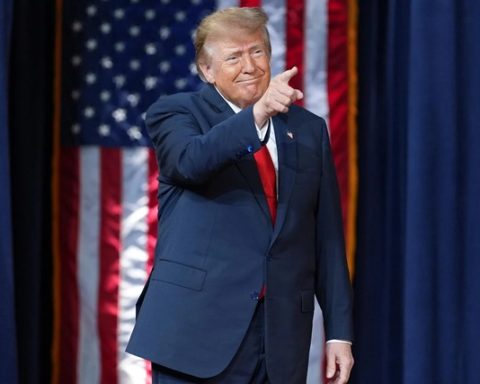
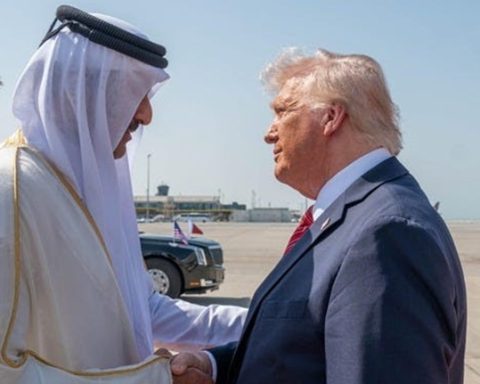
The struggle for maritime influence is increasingly intertwined with the wider contest for global power. Donald Trump’s efforts to secure control over strategic routes and territories, including Hormuz and Greenland, reflect a shift in the United States’ traditional position as a principal defender of freedom of navigation. Judith Arnal, a senior researcher at the Elcano Royal Institute, says Washington has sought to secure control over specific strategic points, escorting tankers belonging to Gulf partners through Hormuz while blocking Iranian exports. The United States also considered charging for protection and signed an agreement with Denmark and Greenland allowing it to expand its military presence on the island.
The future of maritime security will depend heavily on whether the confrontation involving Iran and the United States can be resolved through a durable agreement. Niels Rasmussen, chief shipping analyst at BIMCO, the international association of shipowners and shipping companies, says normal traffic through Hormuz requires an end to blockades and attacks on vessels, as well as guarantees of safe passage. For now, most shipowners consider the risks of crossing the strait too high.
Even a political agreement may not immediately restore confidence. Insurers and shipowners need evidence of sustained stability before treating a previously conflict-affected area as safe. Listowska notes that insurance capacity returned to the market after a memorandum of understanding between the United States and Iran in June, but premiums remained well above pre-war levels.
The crisis has also raised questions about the future of international maritime rules. Iran has charged some vessels for passage through Hormuz and is preparing legislation to formalise such payments. The United States, meanwhile, announced a proposed 20% toll on cargo. Such measures could leave a lasting mark on the principles governing international navigation, even after the immediate conflict ends.
Antonios Tzanakopoulos, professor of public international law at the University of Oxford, rejects the suggestion that international law governing the seas has simply disappeared because of serious regional disturbances. Maritime risks, he argues, change considerably over time. The Gulf of Aden, for example, faced significant piracy threats more than a decade ago, but those risks have since declined.
The reopening of a maritime passage may be achieved through political agreement, but restoring the security, confidence and established practices that existed before a conflict can take considerably longer. The Hormuz crisis has shown that control of a narrow stretch of water can influence energy markets, financial conditions, shipping costs and the price of everyday goods across continents. In a world where most traded merchandise still depends on the sea, the security of a handful of maritime passages has become a question of global economic stability.