The absence of Brazilian President Luiz Inácio Lula da Silva and Mexican President Claudia Sheinbaum from the 30th Ibero-American Summit in Madrid has dealt a setback to Spain’s diplomatic efforts to restore the forum’s political significance, leaving Spanish Prime Minister Pedro Sánchez among the few prominent left-wing leaders attending alongside representatives of an increasingly right-leaning Latin America.
The summit, scheduled for Wednesday and Thursday, will instead feature several prominent figures from the political right, including Argentine President Javier Milei and Chilean President José Antonio Kast. Venezuelan President Delcy Rodríguez will also be absent, according to sources at the Spanish prime minister’s office, La Moncloa.
The withdrawals expose divisions within the Ibero-American community and raise concerns about the summit’s political standing, particularly its ability to secure participation from national leaders and produce a jointly agreed final declaration.
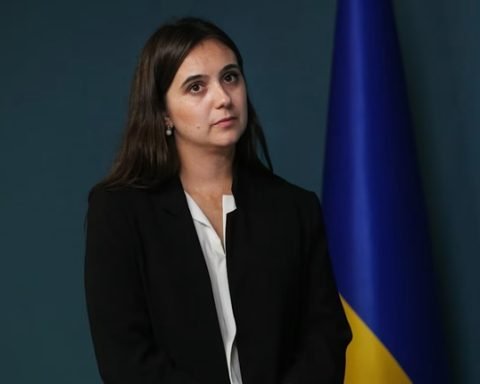
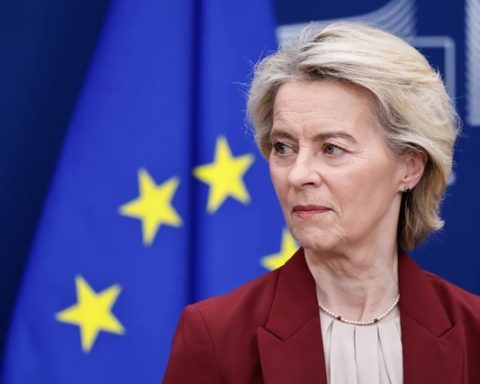
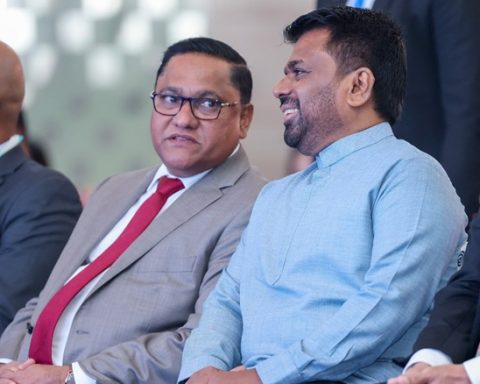
Only 10 countries will be represented at the highest level, including Andorra, Portugal, Argentina, Bolivia, Chile, Costa Rica, Guatemala, Honduras, the Dominican Republic and Spain. Colombia, Ecuador and El Salvador will send their vice-presidents, while the remaining nine countries will be represented by their foreign ministers, according to La Moncloa sources. Organisers had initially expected around 15 heads of state and government to attend.
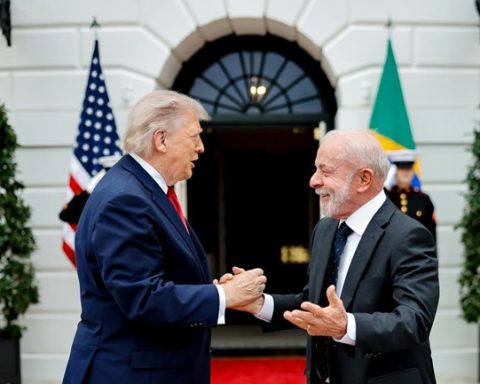
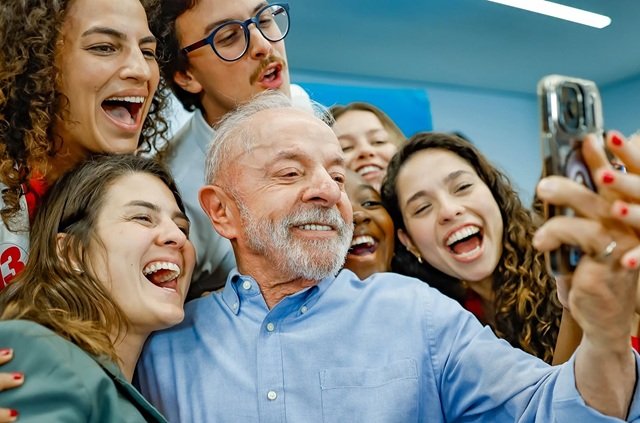
The absence of Lula and Sheinbaum is particularly significant because Brazil and Mexico are Latin America’s two largest countries and leading economies. Both also represent major centres of left-wing political influence in a region that has shifted towards the right in recent years.
Spanish officials have offered different explanations for the two leaders’ decisions not to attend. Government sources said Lula had just completed an intense election campaign after securing re-election for another four-year term, leaving him physically exhausted. He also has another international trip scheduled for next week. Sheinbaum, who travels internationally relatively infrequently, visited Barcelona in April for a summit of progressive leaders and is due to travel to China in two weeks for another Asia-Pacific gathering.
The Mexican president had previously indicated her willingness to attend Madrid after meeting King Felipe VI in June at the National Palace in Mexico City. That meeting helped repair diplomatic relations following tensions triggered by former Mexican president Andrés Manuel López Obrador’s demand that the Spanish monarch apologise for abuses committed during the conquest of Mexico.
Felipe VI had personally sought to persuade Sheinbaum to attend the Madrid gathering. Her absence has therefore disappointed Spanish organisers, with one source describing it as a snub to the King. Another characterised the poor attendance as particularly damaging for Sánchez, saying that his political allies had effectively left him isolated.
The summit also presents a potential diplomatic confrontation between Sánchez and Milei, whose relations have been strained by repeated personal attacks. During a visit to Madrid two weeks ago, the Argentine president described Sánchez as an “unpresentable dictator”, as well as accusing him of corruption and authoritarianism during a public breakfast event.
The Spanish government has ruled out a bilateral meeting between Sánchez and Milei on the sidelines of the summit. Milei has reportedly requested an audience with Felipe VI through Spain’s Foreign Ministry, but La Moncloa sources said they were unaware of any such meeting being included in the King’s schedule.
The possibility of a formal encounter between the monarch and the Argentine president remains uncertain. The two met in Bogotá in March during Kast’s inauguration, but have not held a formal meeting during any of Milei’s seven visits to Madrid. Spanish protocol prevents the King from receiving a foreign leader in an audience before that leader has met the prime minister, although the restriction does not apply when the monarch is abroad.
The Madrid summit follows the unsuccessful 2024 gathering in Cuenca, Ecuador, where only the leaders of Spain and Portugal, Andorra’s head of government and Ecuadorian President Daniel Noboa attended. That meeting failed to produce an official declaration. Felipe VI and the Spanish government subsequently invested considerable diplomatic effort in restoring participation and political momentum.
The main plenary session on Thursday morning will bring representatives of all 22 Ibero-American countries together. Felipe VI, as head of state of the host country, will preside over proceedings and may be required to intervene if exchanges between leaders become confrontational.