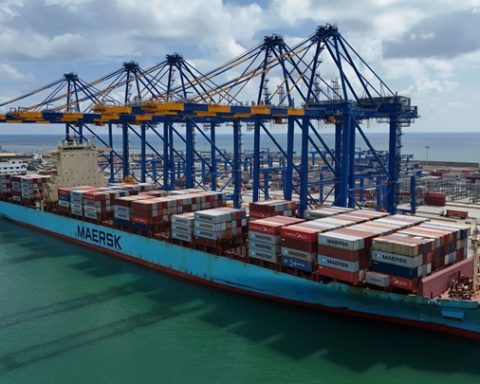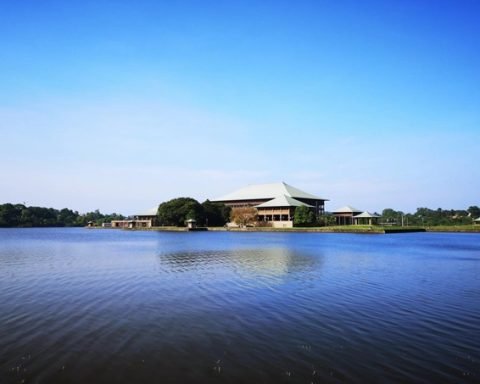
Sri Lanka realised only 41 per cent of investment commitments made under 941 projects between 2015 and 2024, leaving a shortfall of approximately $7.39 billion, according to the latest Auditor General’s report on the Board of Investment (BOI), as reported by local media.
The agreements signed for new and expansion projects during the 10-year period involved anticipated investments of $12.54 billion. However, only $5.15 billion had materialised by the end of 2025, leaving nearly three-fifths of the committed investment unrealised. The audit found that 114 projects had received less than 15 per cent of their committed investments, prompting the Auditor General to recommend stronger monitoring and enforcement of investment agreements.
Responding to the findings, the BOI said investment commitments were generally realised over two to three years, depending on the size and nature of individual projects. It also pointed out that the agreements covered by the audit were at different stages of implementation.
The report separately identified $109.95 million in potential investments lost across 12 projects due to shortcomings including delays in regulatory approvals, difficulties securing land clearance, inadequate infrastructure, unsuitable project locations and investors failing to proceed with their proposals.
The BOI received 167 investment applications during 2025 and approved 117 projects with an estimated investment value of $1.89 billion. These comprised $709.45 million in foreign investment and $1.18 billion in domestic investment. However, agreements had been signed for only 65 of the approved projects.
The audit also highlighted prolonged delays in processing investment proposals, despite the BOI’s policy requiring approvals and the execution of agreements within 60 days. Delays ranging from 60 to 1,095 days had been recorded in 83 projects since 2022, while agreements for 31 approved projects remained pending for more than a year as of 31 December 2025.
The energy, solar power and mining sectors accounted for particularly significant delays, involving approved and pending projects valued at more than $1.8 billion. The BOI attributed the delays mainly to the time taken by other State agencies to issue necessary approvals and clearances.
One case involved a proposed $37 million solar power project in Monaragala, which was initially recommended by the BOI’s Screening Committee in September 2023. After approximately two-and-a-half years, the proposal was rejected when the Ministry of Energy confirmed in March 2026 that grid connectivity was unavailable. The Auditor General identified the case as evidence of weaknesses in project evaluation and decision-making, with potential consequences for investor confidence.
The report also found that 2,398 acres of BOI-owned land, valued at Rs.9.78 billion, had remained unused for more than a decade. The properties were spread across 17 BOI zones, with significant areas in Bingiriya Phase II, Sooriyawewa and Mirijjawila/Hambantota. Inadequate electricity, water supplies and road infrastructure had prevented the land from being utilised for investment projects.
The BOI said some properties could not be offered to investors until external infrastructure was developed, including facilities requiring Treasury funding. In addition, approximately 533 acres allocated to seven projects whose agreements had been cancelled remained occupied, although the authority had initiated recovery measures.
Outstanding payments from BOI-approved enterprises, including annual fees, ground rent and building rent, reached Rs.1.76 billion by the end of 2025. Of this amount, Rs.461.37 million had remained unpaid for more than four years.
The Auditor General further found that Rs.441.17 million in allowances had been paid without the required Treasury approval, while Rs.134.55 million had been allocated for bonus payments without formal approval of the proposed scheme.
Despite the shortcomings, the BOI recorded an operating surplus of Rs.3.94 billion in 2025, compared with Rs.3.54 billion in 2024. The Auditor General recommended stronger monitoring of investment agreements, faster approvals through improved coordination among State agencies and timely intervention in projects failing to meet their commitments.