


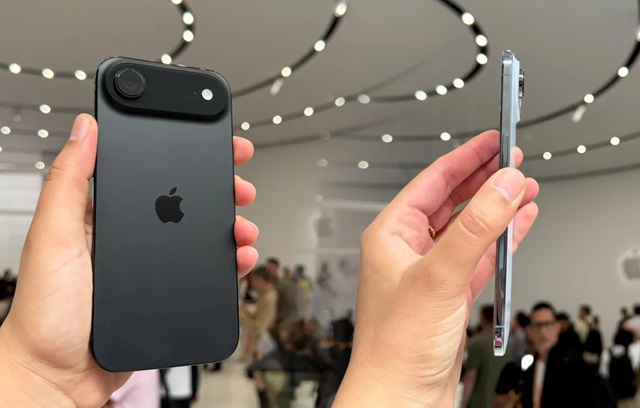
Apple is facing mounting challenges in the engineering test phase of its first-ever foldable iPhone, raising concerns about potential delays to its mass production and shipment timeline. According to a report by Nikkei Asia, the complexity of developing the new device has proven greater than initially expected, with unresolved technical issues threatening to push back its debut by several months.
Sources familiar with the matter indicate that multiple component suppliers have already been alerted to the possibility of a revised production schedule. While not all partners have been affected, the uncertainty underscores the scale of the engineering hurdles Apple must overcome. Insiders say the difficulties are not related to shortages of materials or components, but rather stem from the intricate design and functionality challenges inherent in foldable technology.
The company and its supply chain partners are now working under intense pressure to resolve these issues, particularly as April and early May represent a critical window for engineering verification tests. These tests are part of a rigorous multi-stage process that all iPhones must pass before reaching mass production, involving extensive trials across thousands of prototype units to refine design and manufacturing efficiency.
Apple has already adjusted its broader product strategy to prioritize premium models, including the foldable iPhone, even delaying production of its standard 2026 model to early 2027. The company reportedly plans an initial production run of 7 to 8 million foldable units, accounting for less than 10 percent of its overall new iPhone lineup. Despite the relatively modest volume, expectations remain high that the new form factor will boost demand and reinvigorate the premium smartphone segment.
Industry observers note that Apple’s entry into the foldable market could have far-reaching implications. Competitors such as Samsung Electronics and Huawei have already released multiple generations of foldable devices since 2019. However, Apple’s influence could significantly accelerate mainstream adoption.
Market research firm IDC projects that global foldable smartphone shipments will grow by around 30 percent in 2026, largely driven by Apple’s anticipated launch. In 2025, shipments reached approximately 20.6 million units, reflecting a 10 percent increase from the previous year. Suppliers are hopeful that Apple’s involvement will not only expand the market but also drive consumers toward higher-end devices, ultimately benefiting the entire ecosystem.









