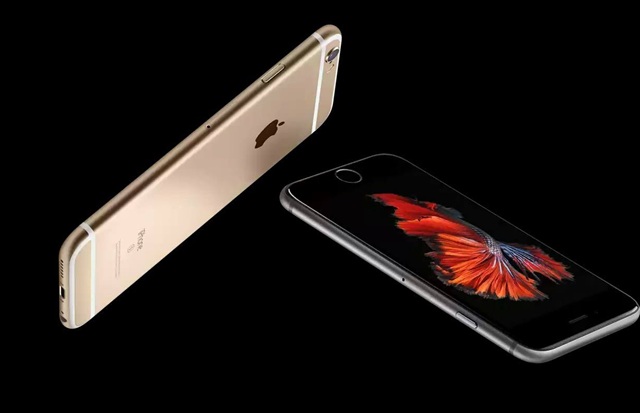
Apple’s next flagship smartphone, the iPhone 18 Pro, could become the company’s most expensive standard flagship yet, with its base configuration projected to cost as much as US$1,319 as soaring memory costs reshape pricing across the smartphone industry.
Market research firm TrendForce said in a report released on Thursday that prices for Apple’s new iPhone line-up were expected to rise by 10 to 20 per cent, driven primarily by sharply higher memory costs. The projected increase would represent a significant jump from the current baselines of US$1,099 for the iPhone 17 Pro and US$1,199 for its Pro Max variant.
Yet TrendForce described the expected increase as a “moderate pricing approach” by Apple, given the scale of the increase in component costs. Memory costs for the 256-gigabyte iPhone 18 Pro model were estimated to be nearly 400 per cent higher than at the same time last year.
Apple was expected to absorb part of the rising component costs in an effort to maintain market share, TrendForce said, as a weak global macroeconomic environment and more cautious consumer spending put pressure on demand.
The company is set to hold a product launch in California on Wednesday morning, where TrendForce expects it to announce the iPhone 18 Pro, Pro Max and its first foldable phone. The standard iPhone 18 and other models are expected to follow in the first quarter of next year.
The foldable iPhone could introduce an even higher price point. TrendForce estimated that the device, expected to feature a dual-camera set-up and a conventional capacitive fingerprint sensor, could start at between US$2,099 and US$2,299. The top-of-the-line version could potentially cost more than US$3,000.
Production of the foldable model is currently limited to only a few hundred units a day to meet Apple’s high quality standards, according to a report by Nikkei Asia on Friday citing anonymous sources. Apple did not immediately respond to a request for comment.
The anticipated iPhone price increases come as the wider smartphone industry confronts a severe memory supply crunch. Surging demand for artificial intelligence infrastructure has squeezed supplies of conventional memory used in consumer electronics, increasing pressure on manufacturers.
The consequences are already being reflected across the global smartphone market. The memory crunch is expected to contribute to a 16.7 per cent decline in global smartphone shipments this year, according to the latest data from market research firm IDC. That would represent the steepest annual contraction on record.
Smartphone manufacturers are increasingly passing higher costs on to consumers. Chinese brands including Huawei Technologies, Xiaomi and Honor announced price increases for existing models this week, with some mark-ups reaching 1,000 yuan (US$149).
The pressure is not confined to individual manufacturers. More than 40 per cent of smartphone models globally have had their prices increased this year, marking a first for the industry, according to a Counterpoint Research report released on Thursday.
New smartphone launches were 25 per cent more expensive year on year, while retail prices for existing models had risen by an average of 15 per cent this year. Some models had seen their prices nearly double, the report said.
“Memory has become a key driver of smartphone [manufacturing] costs, resetting pricing across the industry and leaving [brands] with limited room to absorb higher costs,” Counterpoint research director Tarun Pathak said.
The rising prices are also changing consumer behaviour. “Consumers are responding by delaying upgrades, pushing purchases around big sales events or turning to the pre-owned market,” Pathak said.
For Apple, the projected pricing of the iPhone 18 Pro and the potential cost of its first foldable device illustrate how the global memory squeeze is increasingly becoming a consumer issue, with manufacturers balancing higher production costs against demand for increasingly expensive smartphones.