In a landmark move to promote legal identity, protect human rights, and strengthen governance across the region, governments from Asia and the Pacific have renewed their collective commitment to ensuring that every birth is registered and every death is officially recorded by 2030. The pledge, adopted at the conclusion of the Third Ministerial Conference on Civil Registration and Vital Statistics (CRVS) in Asia and the Pacific, marks the beginning of the second phase of the CRVS Decade and aligns closely with global efforts to achieve the Sustainable Development Goals (SDGs).
This historic declaration, endorsed by member states under the auspices of the United Nations Economic and Social Commission for Asia and the Pacific (ESCAP), reinforces a shared vision for building universal, inclusive, and resilient CRVS systems that can serve all people, particularly those in vulnerable and remote communities. The renewed commitment comes after a decade of steady progress in birth and death registration across the region, yet recognises the urgent need to reach the millions who still remain outside the protection and recognition of official state records.
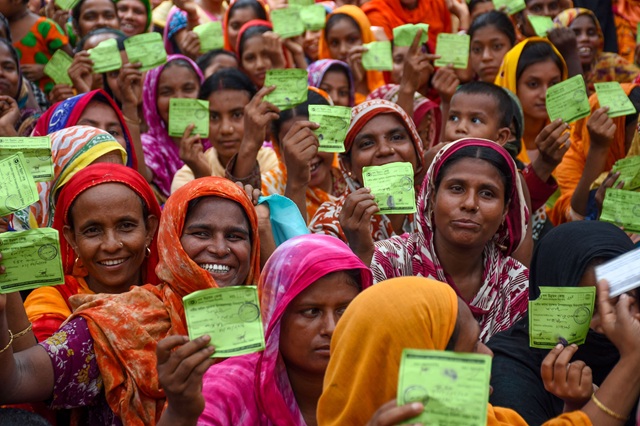
“In 2012, the number of unregistered children under the age of five stood at 135 million across Asia and the Pacific. That number has since fallen to 51 million—a reduction of over 60 per cent,” said Armida Salsiah Alisjahbana, United Nations Under-Secretary-General and Executive Secretary of ESCAP. “But numbers alone cannot tell the full story. Behind these figures are children and families still living without legal identity, without access to health care, education, and social protection. This week has been a powerful call to action.”
The Ministerial Declaration reaffirms that universal civil registration is not merely a bureaucratic exercise, but a human right and a fundamental pillar of effective governance. It emphasises the need to ensure that births, deaths, and marriages are recorded in a timely and accurate manner, and that individuals have access to these records throughout their lives. The declaration also underscores the critical role CRVS systems play in supporting public health responses, disaster preparedness, gender equity, and data-driven policymaking.
Over the past ten years, the region has seen unprecedented progress. As of today, 29 countries register over 90 per cent of births within a year, and 30 countries meet this benchmark for death registration. The quality of cause-of-death data, crucial for health policy and epidemic response, has also seen significant improvement, driven by coordinated efforts between civil registration offices and health systems.
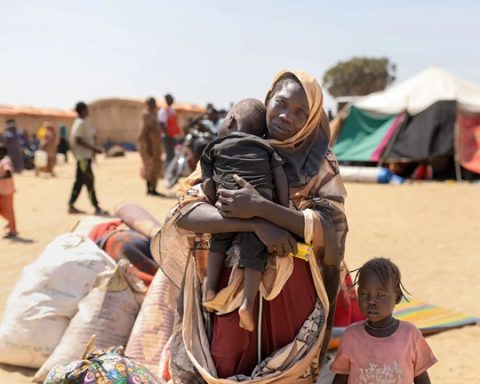
Nevertheless, challenges remain. An estimated 14 million children in the region still lack a birth certificate by their first birthday, and nearly 7 million deaths go unrecorded each year—most of them in communities far from medical infrastructure or civil registry offices. The renewed CRVS agenda aims to address these disparities head-on.
Governments have pledged to build CRVS systems that are people-centred, digitally enabled, legally sound, and resilient to future crises. The declaration places a strong emphasis on reaching the most marginalised groups, protecting personal data and privacy, and ensuring that services remain accessible during emergencies such as pandemics or natural disasters. Efforts will also focus on integrating CRVS data systems to better serve public health, social services, and economic planning.
Particularly noteworthy is the renewed emphasis on gender equity in civil registration. From simplifying marriage registration processes to improving access for women in rural or marginalised areas, the declaration recognises the importance of CRVS systems that support equality and inclusivity at every stage of life.
“This is a turning point,” said Alisjahbana. “We now have a bold and ambitious roadmap to 2030—one that puts people first and ensures no one is left behind. The progress made so far shows what’s possible. What lies ahead depends on our continued commitment to reach every individual, everywhere.”
With the conclusion of the Third Ministerial Conference, the region takes a significant step toward a future where every child is recognised from birth, every life is counted, and every person is empowered by their legal identity. The path to 2030 is now clearly defined. What remains is the will and action to walk it—together.