


Since the beginning of the new era, China’s policy of fostering amity, sincerity, mutual benefit, and inclusiveness in neighborhood diplomacy has significantly advanced its relations with neighboring countries. China has reached a


Michael Hudson is President of The Institute for the Study of Long-Term Economic Trends (ISLET), a Wall Street Financial Analyst, Distinguished Research Professor of Economics at the University of Missouri, Kansas City. He is the author of Super-Imperialism: The Economic Strategy of American Empire (Editions 1968, 2003, 2021), ‘and forgive them their debts’ (2018), J is for Junk Economics (2017), Killing the Host (2015), The Bubble and Beyond (2012), Trade, Development and Foreign Debt
Since the beginning of the new era, China’s policy of fostering amity, sincerity, mutual benefit, and inclusiveness in neighborhood diplomacy has significantly advanced its relations with neighboring countries. China has reached a
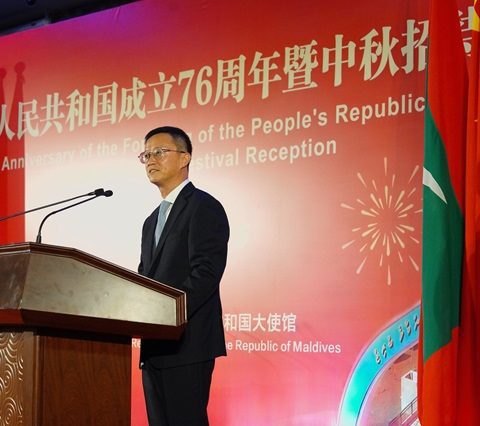
The Chinese Embassy in the Maldives hosted a grand reception on September 30 to celebrate the 76th anniversary of the founding of the People’s Republic of China and the Mid-Autumn Festival. The event brought together nearly 250 distinguished guests, including
Sri Lanka was struck by severe flooding and landslides caused by Cyclone Ditwah, leading to road blockages, destruction of homes and loss of life.
China and Sri Lanka first became connected through Buddhism and later through the Maritime Silk Road. The friendship between the two peoples has transcended

The late 19th century saw economists, mainly German and Austrian, create a mythology of money’s origins that is still repeated in today’s textbooks. Money is said to have originated as just another
More
Archaeologist and scholar Giorgio Buccellati’s book At the Origins of Politics describes how Mesopotamia’s urban revolution in the late fourth millennium BC shaped a new mentality. The segmentation and specialization of industrial production required written recordkeeping,
More
Roman land tenure was based increasingly on the appropriation of conquered territory, which was declared public land, the ager publicus populi. The normal practice was to settle war veterans on it, but the
More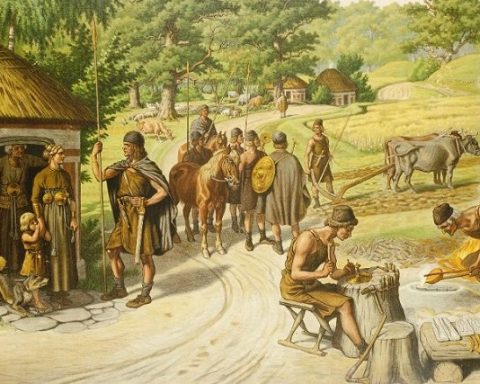
Why were Clean Slates so important to Bronze Age societies? From the third millennium in Mesopotamia, people were aware that debt pressures, if left to accumulate unchecked, would distort normal fiscal and
More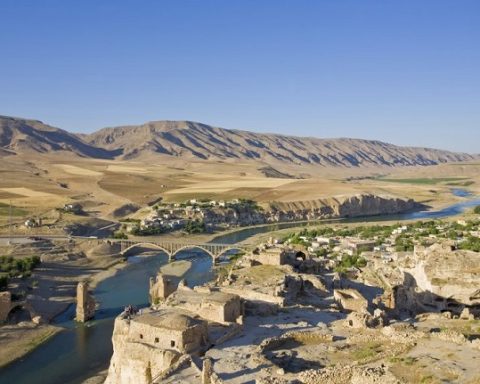
If a colloquium on early entrepreneurs had been convened in the early 20th century, most participants would have viewed traders as operating on their own, bartering at prices that settled at a
More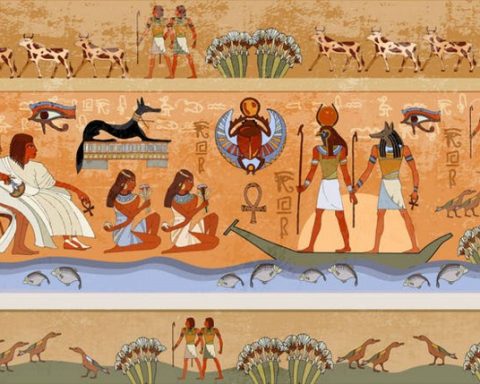
There are multiple differences between antiquity’s economic practices and those of the modern world, and these should be borne in mind when considering the changing context for enterprise through the centuries. Whereas
More
A discussion of the origins of urbanization may provide some insight into the character of modern social problems by highlighting the long historical dynamic at work. It may not be out of
More
Traditional societies usually had restrictions to prevent self-support land from being alienated outside of the family or clan. By holding that the essence of private property is its ability to be sold
More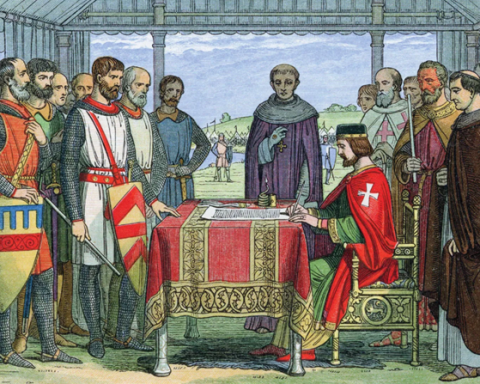
The papacy’s role as organizer of the Crusades empowered it to ask for—indeed, to demand—tithes from churches and royal tax assessments from realms ruled by the warlord dynasties it had installed and
More
When interest-bearing commercial and agrarian debt came to be incorporated into civilization’s economic structure in the third millennium BC, it was accompanied by clean slates that liberated bondservants and restored to debtors
More