Bangladesh’s security forces have arrested more than 8,600 individuals in a sweeping two-week crackdown targeting gangs allegedly tied to the ousted government of Sheikh Hasina, the interim administration announced on Monday. The crackdown, dubbed “Operation Devil Hunt,” follows growing concerns over escalating crime in the capital, Dhaka, as police report a sharp rise in robberies and other violent offenses.
The arrest operation, which began on February 8, is a response to the rise in criminal activity, with authorities noting that robberies have doubled since January 2024. Jahangir Alam Chowdhury, the head of the Interior Ministry in the interim government that took power following the August 2024 student-led revolution, has ordered security forces to intensify their efforts. Chowdhury accused former members of Hasina’s Awami League party of orchestrating the crime wave to destabilize the country.
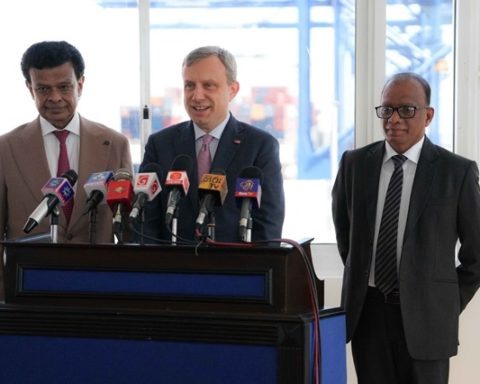
At a briefing on Monday, Chowdhury vowed to continue “Operation Devil Hunt” until all alleged criminals were apprehended. “We won’t let the perpetrators sleep or rest,” he declared, adding that increased patrolling would be implemented to ensure public safety. Despite the crackdown’s scale, students have taken to the streets, protesting the violent crime surge and demanding Chowdhury’s resignation. “We don’t know what this ‘hunt’ is actually achieving,” said Sadia Afreen Mou, a graduate student, as she expressed frustration with the worsening situation.
As reported by authorities, the country has seen an uptick in violent crimes, including assaults, rapes, and muggings, leaving many residents in fear. “The situation is going from bad to worse,” Mou continued, lamenting the increase in attacks that have made daily life unbearable for many.
Meanwhile, on the international stage, the United Nations has weighed in on Bangladesh’s political situation, accusing the former government under Sheikh Hasina of committing “crimes against humanity.” The UN’s fact-finding report, released earlier this month, alleges that the Hasina government carried out systematic attacks against protesters and civilians during the lead-up to its overthrow, including extrajudicial killings, torture, and unlawful imprisonment. The report claims that these acts were part of a coordinated effort by Hasina’s government and security forces to suppress opposition and retain power.
The report also highlights the involvement of the Awami League party in the violent suppression of dissent, contributing to the violent unrest that led to the student-led revolution. The UN has warned that these actions could have serious international legal ramifications, as they may be classified as crimes against humanity.
As Bangladesh continues to grapple with rising crime and political turmoil, the government’s heavy-handed response to both criminal activity and public protests is drawing attention both at home and abroad. While Operation Devil Hunt seeks to restore order, questions remain about its effectiveness and the long-term stability of the country following the dramatic changes in leadership.