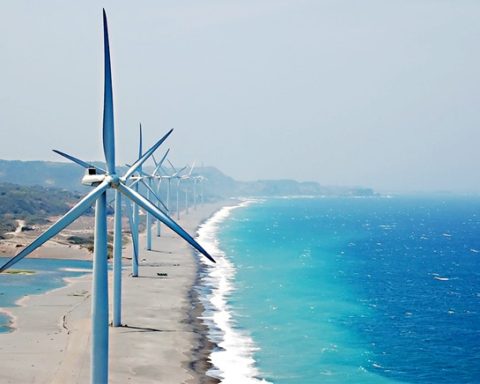
China’s China Belt and Road Initiative (BRI) is defying predictions of decline, with new data showing record engagement in 2025. According to Bloomberg, construction contracts reached $128 billion last year, while investments totaled roughly $85 billion, with energy-related projects alone surpassing $94 billion—more than double the previous year. Rather than focusing solely on large-scale infrastructure, Beijing is now targeting sectors such as renewable energy, battery supply chains, mineral processing, and industrial manufacturing, signaling a strategic shift toward long-term economic influence.
Africa has emerged as a key beneficiary, with Nigeria and the Republic of Congo receiving major investments, alongside expanded trade access via zero-tariff treatment for imports from 53 African countries starting May 1. This combination of financing and trade incentives strengthens China’s foothold at a time when US trade policy appears less predictable. While early years of the BRI faced accusations of debt traps and environmental harm, the latest phase emphasizes targeted engagement and interdependence, cushioning China against wider geopolitical uncertainty, including tensions with Washington and the country’s growing partnership with Moscow.
President Xi Jinping’s vision for the BRI, first outlined in 2013 as a “new Silk Road,” has grown to encompass over 150 countries and more than $1 trillion in deals. While the initiative has historically attracted scrutiny for projects like Sri Lanka’s Hambantota Port, its current incarnation focuses on high-impact, strategic sectors essential for global supply chains and energy security. Analysts note that Western governments risk framing the BRI in outdated terms if they focus only on debt concerns, as China’s model has clearly adapted to a world of shifting economic and geopolitical dynamics.
With Washington reassessing development commitments abroad and the Global South seeking reliable growth partnerships, the BRI’s evolution demonstrates that Beijing is not retreating but recalibrating its influence. Transparency issues remain in select projects, such as Indonesia’s Jakarta-Bandung high-speed rail, but overall, China’s initiative is proving resilient, more strategic, and increasingly difficult for rivals to counter.