by Our Correspondent in Doha
Six of the United States’ leading Senate Democrats on Monday condemned an apparent U.S. military strike on a girls’ school in Minab, a southern province of Iran, which Iranian authorities say killed at least 175 students. In a joint statement, Senators Chris Coons, Patty Murray, Jack Reed, Brian Schatz, Jeanne Shaheen, and Mark Warner described the incident as “appalling and unacceptable under any circumstance,” calling for a full and impartial review.
The strike reportedly occurred on February 28, the first day of a coordinated wave of U.S. and Israeli attacks on Iranian territory. According to Iranian state media, the primary school was struck during the initial bombardments, leaving coffins of the young victims draped in national flags and carried through grieving crowds at funeral ceremonies in Minab. Images broadcast on television showed mourners crying as small coffins were passed from a truck to the gravesite, a scene that has shocked the international community.
In their statement, the senators noted that independent analysis “credibly suggests the strike may have been conducted by U.S. forces,” warning that, if true, it could represent one of the most severe cases of civilian casualties in decades of American military action in the Middle East. The lawmakers specifically cited the comments of U.S. Secretary of Defense Pete Hegseth, who has suggested that military strikes in Iran might not be bound by conventional rules of engagement. “Secretary Hegseth needs to ensure the Department of Defense’s ongoing investigation into this strike is thorough, including whether any policy decisions may have contributed to the catastrophe, and provide clear answers to the American public and Congress about how and why this tragedy unfolded,” the senators added.
Two U.S. officials speaking to Reuters on Friday indicated that military investigators believe it is likely U.S. forces carried out the strike, though no definitive conclusion has yet been reached. Meanwhile, Iran’s ambassador to the United Nations in Geneva, Ali Bahreini, confirmed the deaths of 150 students at the school, though independent verification of the toll remains difficult.
The scale of civilian casualties in Iran has been staggering. The Iranian Health Ministry reported that over 1,200 people have been killed since the joint U.S.-Israeli attacks began, including roughly 200 children and 200 women. More than 10,000 people have been injured, with nearly 1,400 women among the wounded. Beyond the human toll, Iran’s healthcare infrastructure has suffered significant damage. At least 25 hospitals, 18 pre-hospital emergency stations, 14 ambulances, and two district health centers have been destroyed or damaged, leaving the nation’s emergency response capacity severely impaired.
Iran’s Red Crescent has called on the International Criminal Court in The Hague to investigate alleged war crimes, citing the deliberate targeting of civilian structures such as schools and hospitals, which would constitute violations of international humanitarian law. The Swiss Defense Minister echoed these concerns, stating that the joint U.S.-Israeli attacks were in breach of international law, similar to the violations attributed to Iran.
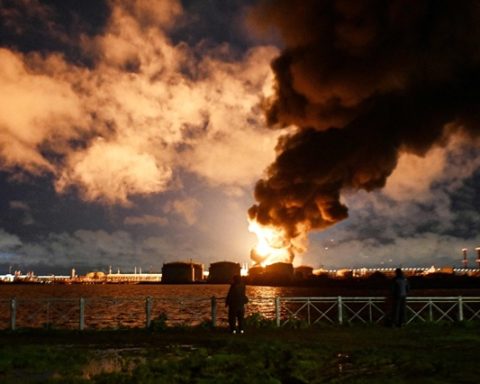
Amid the escalating violence, the conflict’s environmental impact is also becoming clear. Israeli strikes on fuel depots near Tehran have released thick black clouds over the city, raising alarms about toxic air pollution. The Iranian Red Crescent has urged residents to avoid exposure as fires continue to burn at multiple sites, including oil facilities targeted during recent strikes.
Meanwhile, tensions surrounding Iran’s political succession have added another layer of urgency to the crisis. The Israeli Defense Forces warned that it would continue pursuing any successor to Iran’s Supreme Leader, following reports that the Assembly of Experts, the body responsible for selecting the country’s next leader, reached a majority consensus. Explosions in the city of Qom, where the assembly convened, underscored the precarious security situation, and Iranian media reported that Mojtaba Khamenei, the son of the late Supreme Leader Ali Khamenei, has been chosen as his successor. The announcement came amid repeated warnings that any interference in the leadership selection process would be met with military action.
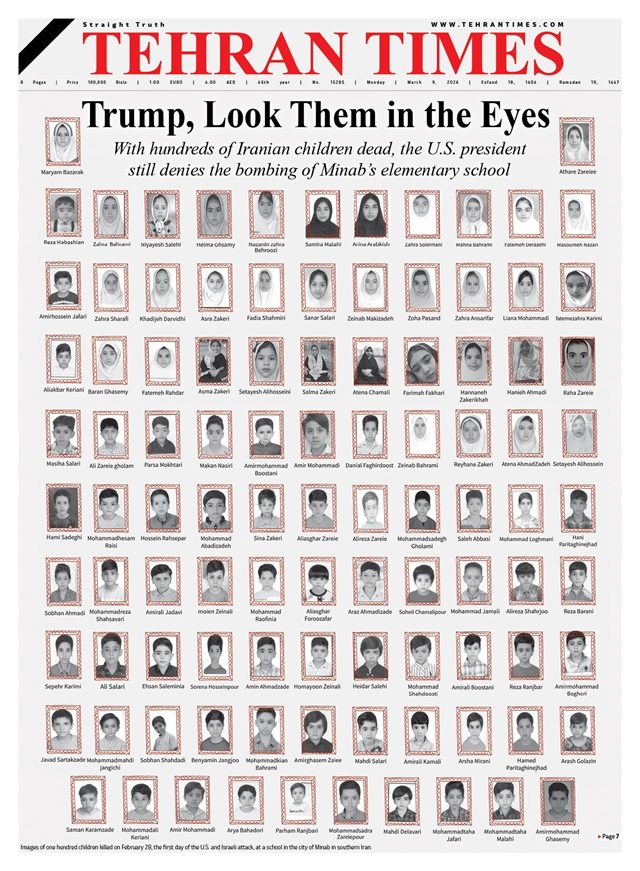
For the families in Minab, Tehran, and across southern Iran, the war has transformed daily life into a landscape of fear and mourning. The funerals of children, such as two-year-old Zainab Sahebi, have drawn crowds of grief-stricken citizens, while hospitals and emergency services struggle to manage the overwhelming number of casualties. The conflict’s human cost continues to mount with each passing day, and the international community faces increasing pressure to demand accountability for what may become one of the deadliest civilian incidents involving U.S. forces in recent history.
The call from Senators Coons, Murray, Reed, Schatz, Shaheen, and Warner highlights the growing demand for transparency. “A full and impartial investigation is not just a political necessity; it is a moral imperative,” the statement read. With global attention focused on Minab, the United States faces intense scrutiny over its conduct, the policies guiding military engagement in Iran, and the broader implications for civilian protection in modern warfare.