The events unfolding are murky — it is unclear which direction the nation is heading. Since the introduction of provincial governance and the office of governor, Sri Lanka has not previously witnessed developments of this troubling nature. An appointed representative of presidential executive power has removed elected members — the Vice Chairman of the Chavakachcheri Urban Council and the Mayor of the Vavuniya Municipal Council — from their posts and council membership through Extraordinary Gazette notifications.
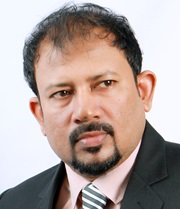
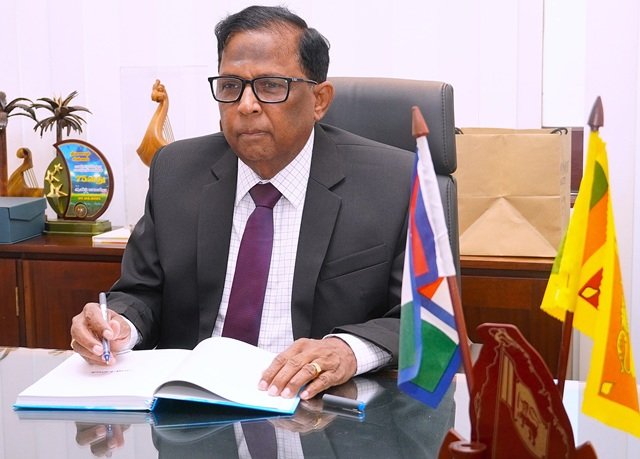
In one such order, Governor Nagalingam Vethanayahan declared the officials “not qualified to serve,” effectively erasing the sovereign rights of those chosen by the ballot. Suspending a mayoralty might be defensible; dismissing an elected member outright is a hallmark of tyranny.
These moves come amid growing concern over the political will of the National People’s Power (NPP) government regarding power‑sharing in the Northern and Eastern provinces, historically inhabited by Tamil‑speaking communities. Power‑sharing was enacted under the Indo‑Lanka Accord, a bilateral agreement between India and Sri Lanka. Since the NPP came to power, speculation has mounted that the JVP‑led coalition seeks to dismantle or paralyse the 13th Amendment. The dismissal of two elected council members by the Northern Governor appears to lend weight to that speculation.
The people’s choice of representatives through the electoral process remains the only meaningful democratic exercise in contemporary politics. If such mandates can be overturned — elected members dismissed by a nominated official as “not qualified to serve” — what does it mean to be elected by the people? In a democracy, who examines the qualifications of representatives: the people themselves or paid officials? One might expect such practices in authoritarian states like China, North Korea, or Cuba.
Tamil political parties and civil society groups have expressed shock. Even during Gotabaya Rajapaksa’s presidency, who declared himself a Buddhist leader, such dismissals were not carried out in this manner. When Anura Kumara Dissanayake was elected president, ordinary Tamil citizens celebrated, with a notable section turning to the NPP for the first time. But today, the situation has drifted far from those initial hopes.
The provincial council structure has long faced criticism from both majority and minority communities. For the Tamil minority, it is inadequate; for the majority, it is seen as granting too much to Tamils. In this contested environment, the 13th Amendment has never been fully implemented. During election campaigns, successive governments pledged full implementation to secure Tamil votes, but those promises were never honoured. During Mahinda Rajapaksa’s tenure, he even promised to go beyond the 13th Amendment — “thirteen plus.” Anura Kumara also pledged the same during his campaign in Tamil‑dominated Jaffna, vowing implementation if elected.
The 13th Amendment and the provincial council system were introduced to address the Tamil national question, yet councils in the North and East have never been allowed to govern effectively, even though they function efficiently in other provinces.
Sri Lankan politics has changed hands through different party‑led and coalition governments, yet all have aligned on one point: preventing full implementation of the 13th Amendment. The JVP offers a vivid example of how a radical political movement evolves into a traditional ruling bloc. Once staunchly leftist, it has shifted towards more liberal positions. President Anura Kumara, once outspoken against the United States, now welcomes American engagement. Yet when it comes to power‑sharing for Tamils in the North and East, the old stance persists — and the colours of all parties fade into the same reluctance.
A nation cannot be built on a victory mindset over its own people. True victory lies in addressing grievances and ensuring that every province contributes equally to national progress. India offers a compelling example: South India has become a driver of economic growth under devolved power. Sri Lanka, too, was handed such an opportunity through the Indo‑Lanka Accord and the 13th Amendment — a framework designed to ease communal tensions while strengthening the economy. That opportunity, however, remains squandered.
Since the end of the war, most Tamils have pursued a modest political path, viewing engagement with the South as the only viable option. With the exception of a small section of Tamil polity, including the major party ITAK, the majority of Tamil parties continue to press for provincial council elections as their democratic right. Against this backdrop, the Northern Governor’s move undermines those modest expectations.
If even the southern polity refuses to allow powers already enshrined in the constitution to be exercised, what options remain for Tamils? And what answer will the international community give to a people still seeking justice within a rule‑based international order?