Electricity demand worldwide is set to continue its upward trajectory, with an anticipated annual growth rate of nearly 4% through 2027, according to a recent report from the International Energy Agency (IEA). This surge comes on the heels of a 4.3% rise in demand in 2024, driven not only by the increasing prevalence of artificial intelligence and data centers but also by a broader range of factors impacting the global energy landscape. As highlighted by MIT Technology Review, while much of the conversation surrounding rising energy demand has focused on the energy needs of AI and data centers, these factors are only part of a much larger picture.
The bulk of electricity demand growth is emerging from developing regions, especially China, India, and Southeast Asia. In fact, between now and 2027, these areas are expected to account for 85% of global demand growth. China alone is a dominant player, having contributed over half of the global increase in electricity demand in 2024. The country’s heavy industries, the rapid expansion of its electric vehicle market, and the growing number of air conditioners are all contributing to its burgeoning electricity needs. In fact, China’s demand for electricity to produce solar panels, batteries, and electric vehicles in 2024 alone was equivalent to the entire electricity consumption of Italy. India and Southeast Asia are also expected to experience substantial demand growth, driven by economic expansion and increasing adoption of air-conditioning systems. With 600 million people in Africa still lacking reliable access to electricity, there remains significant untapped potential for further demand growth.
Despite the prominence of data centers in media coverage, their contribution to global electricity demand growth is comparatively modest, accounting for less than 10% of the overall increase between now and 2030. However, their influence in developed economies, particularly in the United States and parts of Europe, cannot be overlooked. For instance, the 10 U.S. states experiencing the most data center growth saw a 10% increase in electricity demand between 2019 and 2023, while the remaining states saw a decline. As the need for AI-driven data centers continues to rise, projections for future energy consumption remain uncertain, though some suggest that China’s data center demand could double by 2027, further intensifying global energy needs.
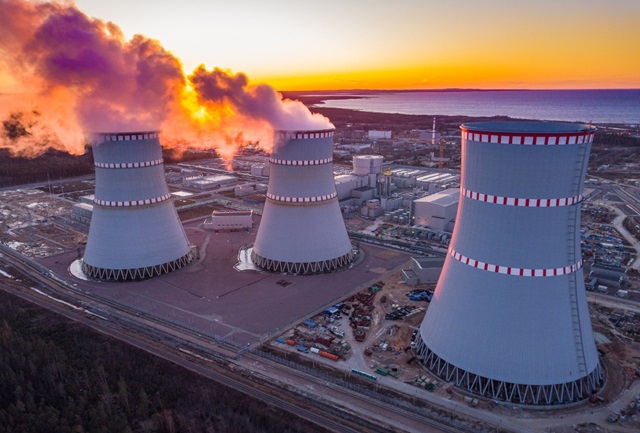
The expanding demand for electricity presents both opportunities and challenges in the fight against climate change. As MIT Technology Review notes, the use of heat pumps and other efficient electrical technologies can help reduce emissions, even as they drive up electricity consumption. The good news is that renewable energy sources, particularly solar power, are growing rapidly, contributing enough energy to meet about half of the expected demand growth through 2027. Nuclear power is also poised for a resurgence, with new reactors set to come online in China, India, and Japan.
However, meeting this growing demand with renewable energy alone will not automatically eliminate reliance on fossil fuels. As existing coal and natural gas plants continue to operate globally, low-carbon energy sources must grow quickly enough not only to meet new demand but to replace dirtier energy sources that currently power much of the world’s grid. As the world’s electricity demand continues to rise, the challenge of keeping up with this rapid pace of growth will play a crucial role in determining the future of global emissions and climate change mitigation efforts.