The European Commission’s proposed Critical Medicines Act, unveiled in March, seeks to address the critical shortages of medicines and medical supplies exposed by the Covid-19 pandemic. The initiative aims to boost EU production of over 200 essential medicines, including antibiotics like penicillin and erythromycin, as well as painkillers such as lidocaine and morphine. However, industry executives have expressed concerns that the proposed measures are too cautious and slow in implementation.
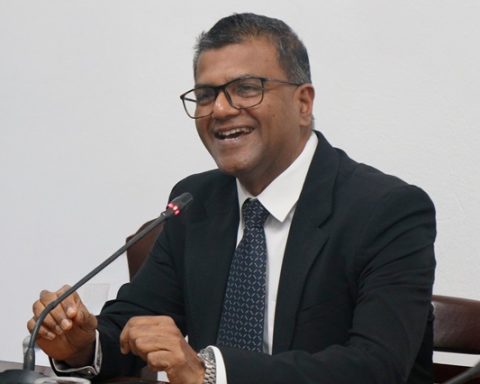
In an interview with the Financial Times, Kocher, a key executive at Xellia Pharmaceuticals, which is owned by Novo Nordisk, criticized the EU’s response. He argued that rising costs and limited support for ongoing operations were putting pressure on manufacturers to shift production to countries like China. “Costs are increasing, you try to transfer these costs to your customer, and then your customers decide the costs are too high and increase the share coming from China,” Kocher said. He called for a stronger commitment from the EU to support the continued operations of pharmaceutical companies, especially those producing life-saving medicines.
The proposals, which include measures such as bulk purchasing agreements between member states and preferential treatment for EU-made products in procurement processes, are aimed at reducing the continent’s dependency on foreign suppliers. However, Kocher believes these policies fall short of the urgent action needed. “We are seeking a commitment to support ongoing operations,” he emphasized, stressing that more robust and timely measures are necessary to protect the EU’s pharmaceutical sector.
Pharmaceutical giants have also raised alarms about the impact of low prices paid by European health systems on the future of drug discovery. The CEOs of Novartis and Sanofi recently wrote to the European Commission, urging higher prices to incentivize investment in new drug development. They also pointed out that U.S. tariffs were pushing companies to focus their investments in North America. However, despite these challenges, Xellia remains committed to EU production and has no plans to shift operations abroad.
Xellia, which supplies more than 500 businesses in 80 countries, has indicated that it will take up to a decade to gradually transfer production from its Copenhagen factory to other locations. While the company is committed to maintaining its operations in Europe, the broader pharmaceutical industry is concerned that current policies are insufficient to support long-term sustainability.
Kocher stressed the importance of valuing the EU’s “life-saving” medicines, such as those used to treat meningitis and other life-threatening diseases. “Without our product portfolio, we would be faced with a huge challenge. Covid would be a small issue in comparison,” he said, underlining the critical role these medicines play in safeguarding public health.
As the European Commission considers its next steps in addressing the growing concerns over medicine shortages, industry leaders are calling for more decisive action to protect the future of pharmaceutical manufacturing within the EU.