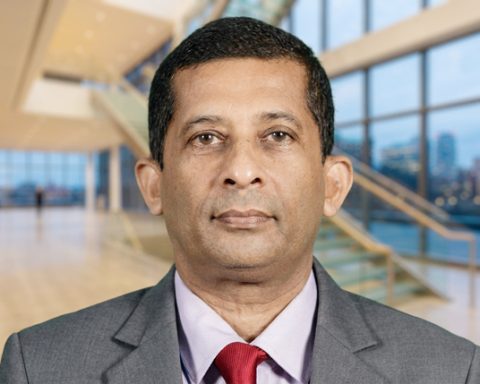
U.S. Secretary of War Pete Hegseth has announced that the military will begin annually screening service members aged 30 and older for low testosterone and offer hormone replacement therapy to those diagnosed with the condition, presenting the initiative as part of a broader effort to improve force readiness.
Hegseth unveiled the policy in a nearly three-minute video posted on X under the title “The High-T Department of War.” He said the programme was designed to restore the natural capabilities of military personnel rather than provide artificial performance enhancement.
“This is not about artificial enhancement,” Hegseth said in the video. “It is about restoring and optimizing natural capabilities, protecting your longevity, and ensuring you have the biological foundation required to sustain the fight.”
According to Hegseth, participation in the programme will be voluntary, with hormone replacement therapy offered only on the recommendation of healthcare professionals following medical evaluation.
When asked which scientific studies supported the initiative, Pentagon officials referred reporters back to Hegseth’s video, in which he argued that the demands of the modern battlefield require maximum physical, psychological and mental readiness. The Pentagon did not respond to questions about whether female service members would also be screened for declining estrogen levels.
Testosterone deficiency becomes more common with age and has been associated with symptoms including reduced libido, erectile dysfunction, mood changes and weight gain. Research conducted by the U.S. National Institutes of Health has found that testosterone replacement therapy can improve libido and may reduce some mood-related symptoms, but studies have also reported limited evidence that the treatment significantly improves endurance, memory or overall well-being.
The announcement aligns with broader efforts by President Donald Trump’s administration to expand access to testosterone therapy. Health Secretary Robert F. Kennedy Jr. has advocated wider use of testosterone replacement treatment, while the U.S. Food and Drug Administration has recently proposed easing restrictions on prescribing testosterone medications.
The policy has prompted criticism from Democratic lawmakers, who questioned both its scientific basis and its consistency with the administration’s broader policies on gender-related healthcare.
Senator Tammy Duckworth said the proposal “sounds like gender-affirming care to me,” while Representative Chrissy Houlahan of Pennsylvania argued that the announcement suggested Hegseth “takes direction from the far corners of the manosphere.”
Senator Cory Booker also criticised the initiative, questioning its timing amid ongoing military operations.
“The fact that we, in the midst of a disastrous Iran war, have a secretary of defense doing things like this makes us a mockery globally. This is ridiculous,” Booker said in an interview with CNN, adding that he did not consider Hegseth “a serious person” or suitable for the role.
The criticism follows Hegseth’s broader campaign against diversity, equity and inclusion programmes within the U.S. military and the administration’s decision to prohibit transgender individuals from serving in the armed forces. Those policies have made gender-related issues a recurring point of political debate surrounding the Pentagon’s leadership.
The testosterone screening programme is expected to become part of routine annual health assessments for eligible service members, with hormone replacement therapy remaining optional and subject to medical guidance under the policy announced by the Pentagon.