The war between the United States, Israel and Iran is increasingly being defined not only by strategic targets and military objectives, but by the complex and often obscured reality of civilian harm. While images of destroyed schools and damaged public buildings have drawn global attention, a deeper analysis reveals a more nuanced and troubling pattern. According to data from ACLED (Armed Conflict Location & Event Data), civilian casualties have so far been closely tied to strikes on military and state-linked sites rather than widespread indiscriminate attacks, but the risks of escalation threaten to dramatically alter this dynamic.
Among the most visible symbols of the war’s human cost are deadly strikes on civilian locations such as a primary school in Minab and a sports hall in Lamerd. These incidents have sparked outrage and concern, yet they do not fully represent the broader conduct of the campaign. Due to strict information controls, censorship, and limited independent reporting within Iran, obtaining a complete picture remains difficult. Even so, available data suggest that civilian harm has largely occurred in proximity to targeted military operations, rather than as a result of blanket bombardment of urban centers.
ACLED’s analysis of the period between late February and the end of March identifies three primary patterns through which civilians are being affected. The first involves direct strikes on civilian structures that have been repurposed for military or dual-use functions. As Iranian security forces adapt to sustained attacks on traditional bases and garrisons, they have increasingly relied on civilian infrastructure such as sports complexes and industrial facilities. This shift has blurred the line between civilian and military spaces, making such locations potential targets.
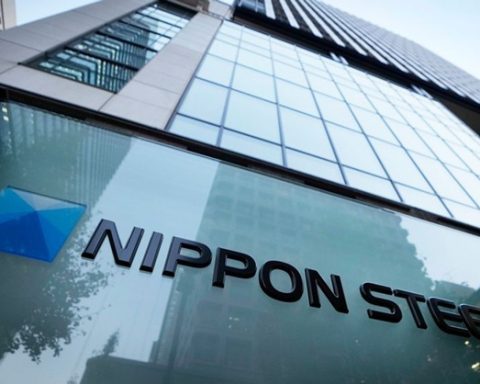
In several cases, the United States and Israel have justified attacks on facilities such as university research centers, factories, and industrial zones by citing their alleged role in weapons development or support for Iran’s missile and drone programs. Some of Iran’s largest industrial sites, including major steel plants, have also been targeted on the grounds of partial links to the Islamic Revolutionary Guard Corps. While these claims point to a strategic rationale, the presence of civilian workers and surrounding communities raises difficult questions about proportionality and risk.
A second pattern identified by ACLED involves targeted assassinations carried out in residential buildings. Nearly 50 such incidents have been recorded, often involving strikes on multi-story apartment complexes where Iranian officials, security personnel or scientists were believed to be located. These operations have frequently resulted in significant civilian casualties, as family members, neighbors and bystanders are caught in the blasts. In some cases, entire buildings have been destroyed, amplifying the scale of destruction beyond the intended targets.
The third and most common pattern of civilian harm arises from strikes on government and security sites embedded within densely populated areas. ACLED has documented close to 100 incidents in which civilians were killed, injured or displaced due to blast effects from attacks on facilities such as police units, local administrative offices and militia outposts. Even when these sites had been partially evacuated, the surrounding residential neighborhoods often bore the brunt of the damage. Nearby homes, medical centers and public infrastructure have been damaged or destroyed, raising concerns about the broader humanitarian impact of such operations.
While the current pattern suggests a degree of targeting restraint, analysts warn that the situation could deteriorate rapidly if the conflict escalates. One potential turning point would be a U.S. ground assault on Kharg Island, Iran’s main oil export hub. Such a move could trigger a cycle of retaliation and counter-retaliation, expanding the geographical scope of the war and exposing far more civilians to direct danger. Air campaigns could intensify across the Iranian mainland, increasing both the frequency and scale of civilian casualties.
An even more severe scenario would involve systematic attacks on critical infrastructure such as power plants, water systems and fuel facilities. Unlike strikes on military targets, these attacks would have far-reaching and long-lasting consequences for the civilian population. Disruptions to electricity, healthcare, transportation and communications could persist long after the fighting subsides, deepening the humanitarian crisis and complicating recovery efforts.
Beyond the immediate dangers of airstrikes and explosions, Iranian civilians are also grappling with the indirect effects of the conflict. Displacement, economic hardship and environmental damage are becoming increasingly widespread, while historical and cultural sites face growing risks. For many, the war is not only a matter of physical survival but also one of enduring uncertainty and loss.
At the same time, the internal situation within Iran has further compounded the challenges facing civilians. The wartime environment has coincided with intensified state repression, including continued arrests, widespread internet shutdowns and warnings of harsh responses to dissent. These measures have limited access to information and restricted the ability of citizens to communicate, organize or seek help.
As a result, millions of Iranians find themselves caught in a dual crisis, facing threats both from external military action and internal political pressure. The fear is not only of continued conflict, but also of what may follow. A prolonged war could deepen suffering, while even a weakened state emerging from the conflict may still retain the capacity for strict internal control.
The evolving situation highlights the fragile balance between military strategy and humanitarian consequences. While current patterns of civilian harm remain relatively localized, the potential for escalation looms large. As the conflict continues, the choices made by all parties will determine whether the war remains contained or transforms into a broader crisis with far-reaching consequences for Iran’s civilian population.