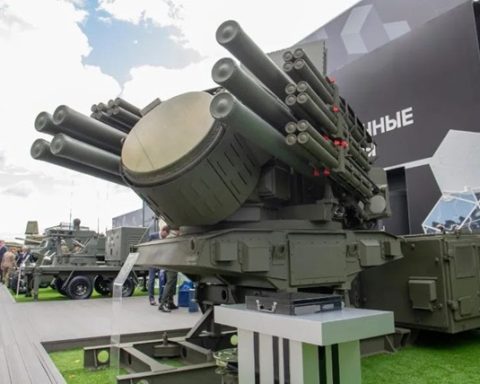
Fahad al-Saif, Saudi Arabia’s newly appointed minister tasked with securing $70 billion in foreign investment by 2030, has faced an unexpectedly tumultuous start. Less than three weeks into his tenure, western business executives pulled out as Iran launched missile and drone strikes on the oil-rich kingdom. While Saudi air defenses intercepted most of the attacks, and daily life continued relatively normally outside targeted areas such as the American embassy, the strikes have sent a stark warning to potential investors about the risks of regional instability.
Saudi Arabia has faced attacks before. Iranian-backed Houthis have struck its territory repeatedly, and Iraqi ballistic missiles targeted the kingdom during the 1991 Gulf War. Yet analysts now argue that the current conflict represents the most significant challenge to the kingdom since that war. “The reality is that it is a setback for the regional brand and makes foreign direct investment especially difficult in the countries seeking it,” a Gulf banker told Times UK.
The timing could not be worse. Crown Prince Mohammed bin Salman, the de facto ruler of the kingdom, had been pursuing ambitious economic reforms focused on foreign investment, tourism, and mega-projects such as the futuristic city of Neom. The kingdom had even taken steps toward reconciliation with Iran and the Houthis in Yemen, aiming to secure a stable environment conducive to these reforms. The strikes threaten these efforts, creating uncertainty around projects that rely heavily on international investors.
Oil production, the backbone of Saudi Arabia’s economy, was also directly affected. One intercepted Iranian drone caused a fire at the country’s main refinery, forcing a shutdown. This incident underscored how vulnerable critical infrastructure remains despite advanced defense systems, and it has added to investor concerns. Low oil prices had already led to layoffs in companies owned by the sovereign wealth fund, which is central to Riyadh’s economic transformation. Projects such as The Line in Neom, a futuristic city stretching across 170 kilometers, had already been scaled back as the kingdom pivoted toward more cost-effective initiatives like hosting data centers.
Despite the attacks, Saudi Arabia has signaled restraint. Analysts like Aziz Alghashian, a political science professor in Riyadh, point out that escalation could harm the kingdom far more than Iran. “Riyadh has demonstrated restraint. Saudi Arabia, like its GCC neighbors, has far more to lose from regional escalation than Iran. Retaliation by the Saudis could plunge the region into further instability and benefit regional spoilers,” Alghashian told Times UK. The kingdom’s decision not to retaliate aggressively highlights its prioritization of economic stability over immediate military responses.
The strikes reveal a delicate balancing act for Saudi Arabia. The kingdom must defend its territory while maintaining a climate attractive to foreign investment. The challenge is heightened by the recent shelving of extravagant projects and the ongoing restructuring of its economic portfolio. International confidence is crucial, particularly for a country whose Vision 2030 reforms depend on foreign capital and long-term planning.
Times UK notes that Saudi Arabia’s predicament underscores the broader implications of regional conflicts for Gulf economies. While military strikes are often framed as tactical or symbolic, their ripple effects on investment, mega-projects, and strategic economic goals can be profound. For Riyadh, the current crisis has intensified pressure on both political and economic fronts, forcing the kingdom to navigate instability while safeguarding its long-term ambitions.